Profile·United Kingdom
'Say What You Pay': 94% Back Mandatory Salary Disclosure as UK Plans New Law for Arts Jobs
The UK government plans to make salary information a legal requirement in job adverts, a move backed by 94% of consultation respondents. For arts workers, many of them freelance and low-paid, the change could end one of the sector's most entrenched taboos.
The UK government is planning to require employers by law to include salary information in job adverts, under a policy it has branded say what you pay. A public consultation on the proposal launched in July 2026, and 94 percent of respondents supported making disclosure mandatory. Legislation has not yet been introduced, but the government has signalled that it intends to proceed.
The case for the change rests on how patchy current practice is. A 2024 report by the Chartered Institute of Personnel and Development found that only 41 percent of employers always publish salary ranges in their adverts, and just 18 percent always state a specific salary. For jobseekers, that means most applications begin with a guess about what the work is worth, and the guess usually favours the employer.
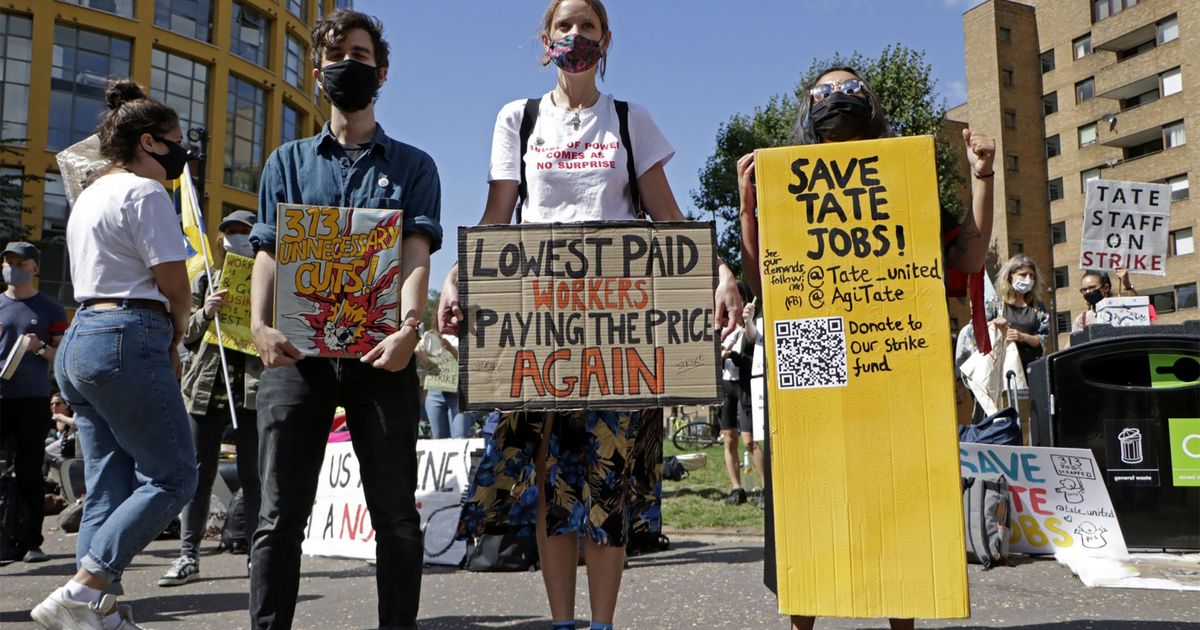
In the arts, where freelance and low-paid work is the norm, the stakes are higher than in most sectors. Arts Council England's 2024 Cultural Freelancers Study found that 73 percent of cultural freelancers earned under 25,000 pounds a year from freelance work. A 2025 survey by the campaign group Arts Pay drew 1,266 responses from arts workers, and the artist-led project Industria Artist Leaks, under the banner Structurally Fucked, reported a median hourly rate of 2.60 pounds across the responses it collected.
The people making the argument for change include Will Jarvis of The Sunday Painter and the Gertrude gallery group, Meg Molloy of the Working Arts Club, and the Liverpool-based artist Ellie Hoskins. Some institutions are already ahead of the law: Dulwich Picture Gallery publishes six salary bands for its roles. If the legislation passes, the rest of the sector will have to follow, and the quiet practice of hiding pay behind a job title may finally become illegal.