Museum report·Madrid
Post-punk meets the museum: Ana Curra opens the Reina Sofía's new music cycle on the Movida's afterlife
The Museo Reina Sofía launched its new music programme 'Colección. Arte contemporáneo: 1975-presente' with a concert by post-punk icon Ana Curra on 14 October 2026 at the Auditorio 400. The cycle's first phase, 'Los vicios modernos', is conceived in dialogue with the museum's 'Contracultura material' gallery devoted to the culture of the Transition years.
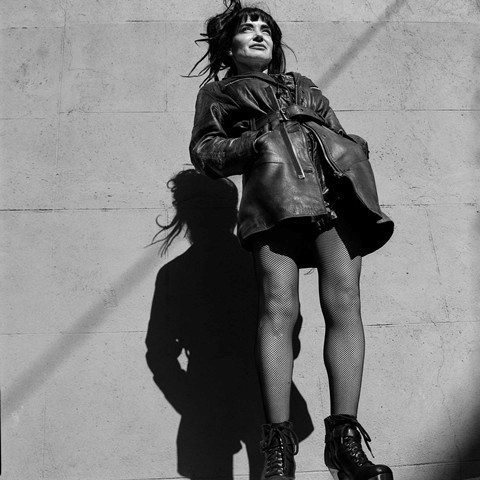
Spain's post-punk history walked into the museum on 14 October 2026. Ana Curra, the pianist, composer and emblematic figure of the Movida madrileña, inaugurated the Museo Reina Sofía's new music programme with a concert at the Auditorio 400 of the Nouvel building — free until the room filled.
The programme, titled 'Colección. Arte contemporáneo: 1975-presente', is the first phase of a cycle called 'Los vicios modernos', whose name comes from a 1978 work by the draughtsman Ceesepe. It has been conceived in dialogue with the museum's new collection display, and specifically with the gallery 'Contracultura material' on the fourth floor of the Sabatini building — a space devoted to underground comics, street photography, posters, graphic design and club culture from the Transition years.
Curra was made for this encounter. A member of the first line-up of Alaska y los Pegamoides before joining Parálisis Permanente and Los Seres Vacíos, she went on to found Tres Cipreses, the first independent record label in Spain. The concert was created specifically for the occasion, with her music accompanied by audiovisual and photographic material by Alberto García-Alix and Miguel Trillo, and with guests drawn from her recent project 'La última cena de Parálisis Permanente'.
The cycle continues on 10 December with 'Plena Pausa', a project by Jota of Los Planetas built around material by filmmaker Iván Zulueta, and extends through 2027. The museum is treating its collection not as a depot of the past but as a living archive — and letting the musicians who made the era do the talking.