Museum report·Phoenix
Phoenix museum traces a century of Indigenous art from 44 tribal nations
Phoenix Art Museum's The Way We Came draws about 70 works from collector William P. Healey's holdings of Native American art, spanning a century and 44 tribal nations, and reframing a collection once devoted to romanticised Western painting.
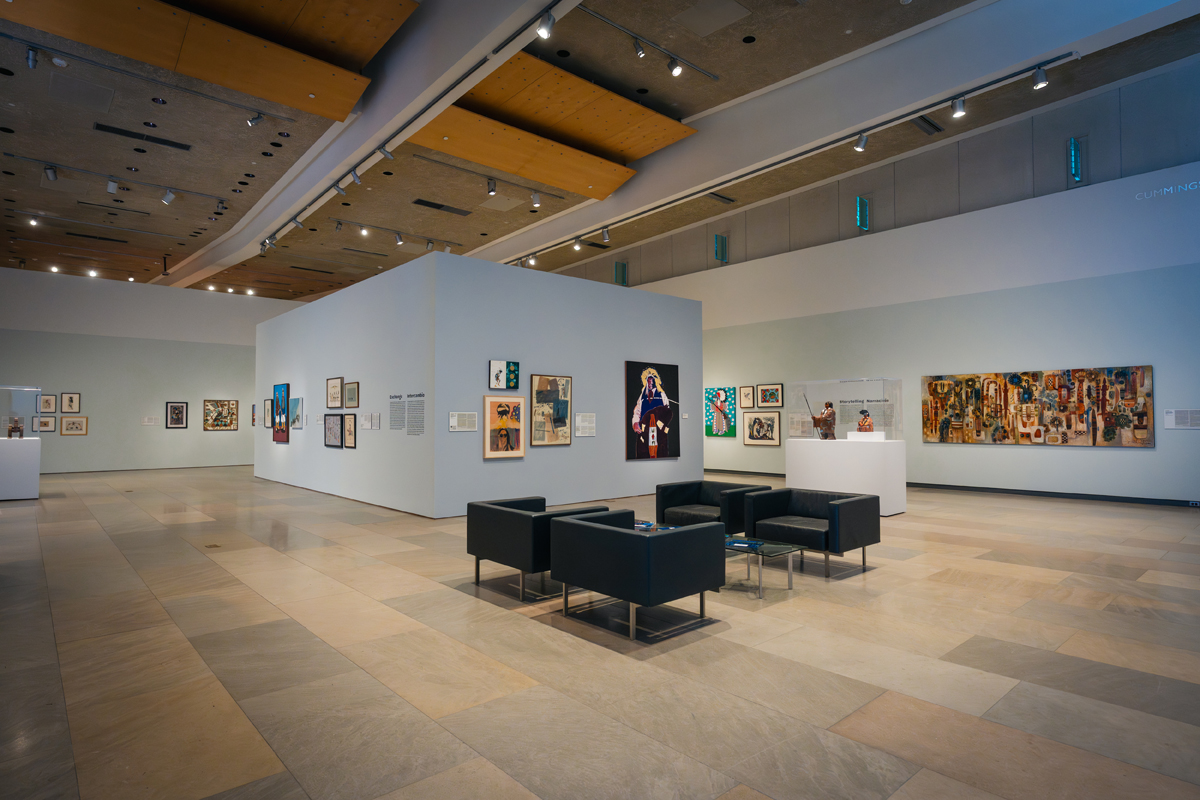
Phoenix Art Museum is showing a century of Indigenous art drawn from a single collection. The Way We Came: A Century of Indigenous Art from The William P. Healey Collection presents around 70 of the collection's 185 objects, by artists from 44 tribal nations, organised into groupings around exchange, storytelling and place.
Healey spent decades collecting Western art in the manner of Charles Russell and Frederic Remington, amassing hundreds of paintings of Native Americans — but, as he puts it, none by Native Americans. About twelve years ago, after seeing a long-running exhibition at Phoenix's Heard Museum about Native American boarding schools and the artists who emerged from them, he changed direction entirely, shifting his collecting to work made by Native artists. He turned for guidance to Diné painter Tony Abeyta, who helped him study Native art history and build a collection with a narrative, choosing works that tell stories and represent the full range of intertribal experience.
Abeyta co-curated the exhibition with JoAnna Reyes, the museum's adjunct curator for art of the Americas. Several of the artists in the show passed through the boarding schools themselves, institutions Abeyta describes as built for assimilation that nevertheless sometimes fostered their students' art — among them the group known as the Kiowa Six. Stephen Mopope's Apache Fire Dance, painted in pigment on stretched hide, and Harry Fonseca's Coyote Chief with Pink Clouds, a trickster in traditional dress wearing purple sneakers, sit side by side in the show.
The exhibition also confronts the institutions that long kept Native art at arm's length. In 1958, Oscar Howe, whose work is on view, had a painting rejected from a competition for Native artists on the grounds that it was fine painting, but not Indian. His reply, described by Reyes as essentially the first manifesto of Native American art, insisted that Indian art could compete with any art in the world. Abeyta hopes visitors leave with a single idea: that attempts to extinguish Native culture failed, and art documented it all along the way.