Museum report·London
British Museum chief floats Parthenon Marbles shuttling between London and Athens — Athens still says no
British Museum chair George Osborne told a Greek newspaper he wants a deal for the Parthenon sculptures to be displayed alternately in London and Athens before his tenure ends. Greek officials have dismissed rotating loans as a non-starter, insisting on permanent repatriation without recognising British ownership.
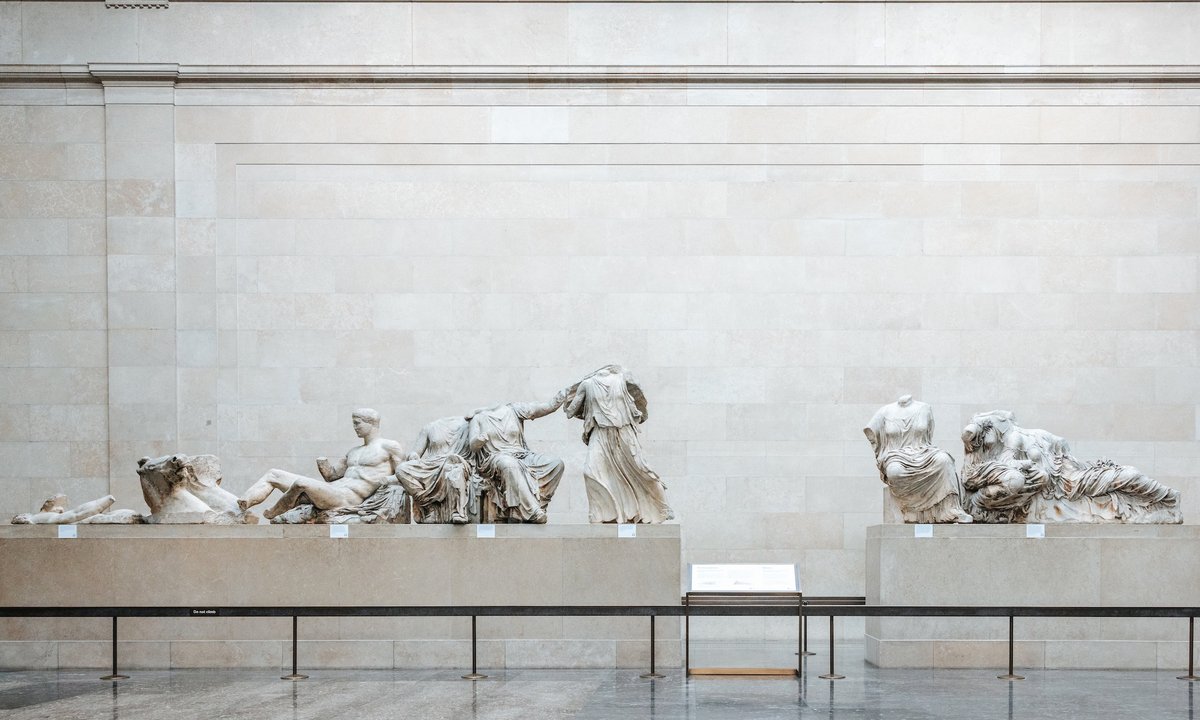
George Osborne, chair of the British Museum's board of trustees, has restated his support for a deal that would see the Parthenon sculptures divide their time between London and Athens. Speaking to the Greek newspaper Kathimerini, Osborne said he wanted to reach an agreement, called the timing favourable, and set himself the goal of concluding it before his chairmanship ends in three years. He added that he was entering the discussion in good faith. The fifth-century BC carvings have been housed in Bloomsbury since 1817, after their removal from the Acropolis by Lord Elgin, then Britain's envoy to the Ottoman court. Greece has demanded their return for generations, while the museum insists they were acquired legitimately and points to the British Museum Act 1963 as a legal bar on restitution. Osborne argues a rotation scheme could work within current law, and says the board now backs the idea of the sculptures spending part of their time in each city. He has previously said there is a deal to be done, and noted that the museum's gallery masterplan means the marbles will be relocated within the building during renovations in any case. Athens has not shifted. Greek officials have dismissed rotating loans as a non-starter, refusing any arrangement that would require recognising the British Museum's ownership or borrowing what they regard as their own monument. Prime Minister Kyriakos Mitsotakis keeps pressing for the sculptures to be reunited within sight of the Parthenon, in the purpose-built Acropolis Museum — where plaster casts currently stand in for the London-held pieces.