Exhibition preview·Paris
'Soft Photography': Paris Photo's Digital Wing Tests Where AI Ends and the Darkroom Begins
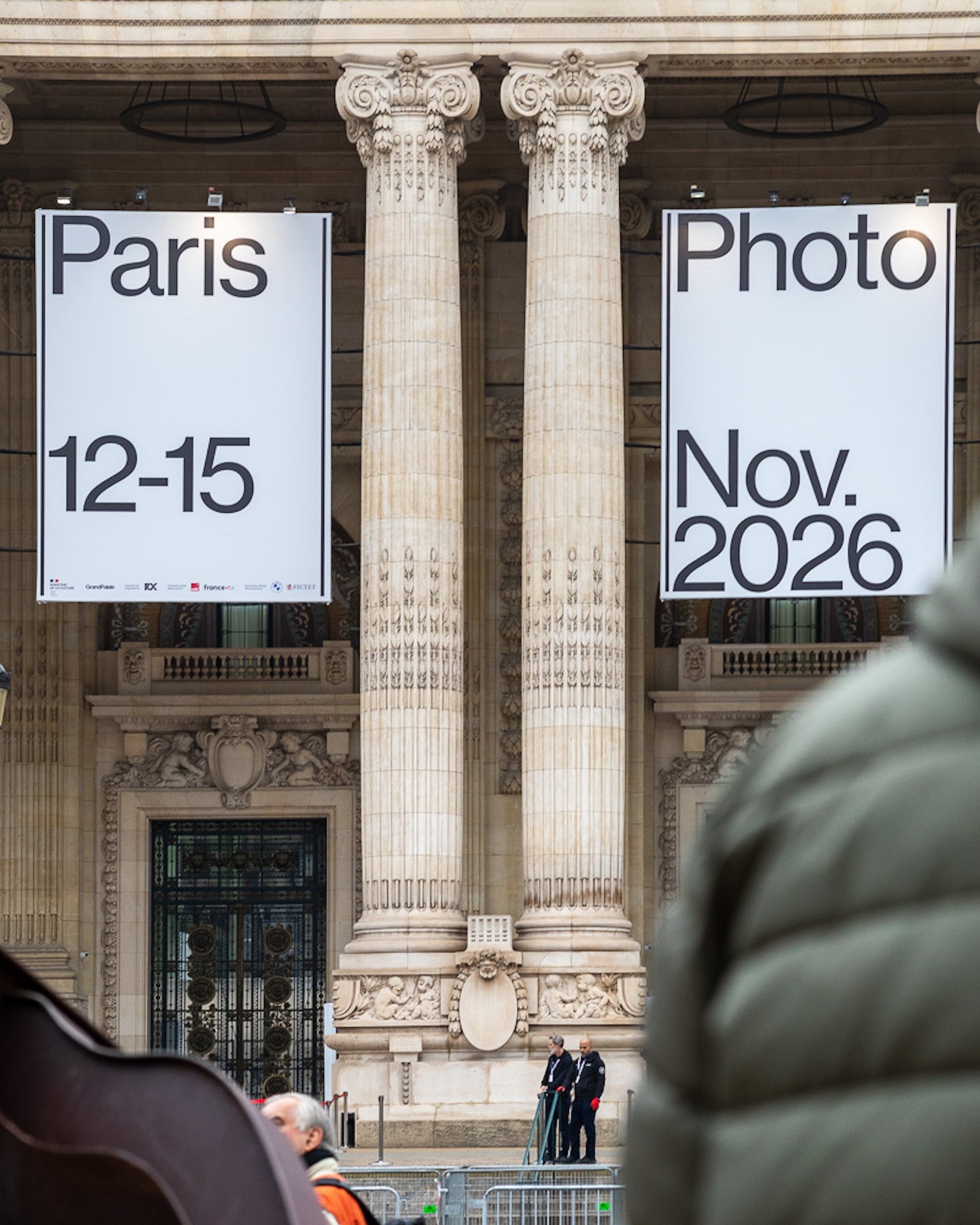
The 29th Paris Photo, on at the Grand Palais until 15 November, puts digital art centre stage: its 12-exhibitor digital sector and the ECAL 'Soft Photography' programme probe AI and CGI in photography, from AI-generated landscapes to darkroom-analogue hybrids and Polaroids mistaken for machine-made images.
Two weeks after an abbreviated Art Basel Paris, the 29th Paris Photo has taken over the Grand Palais until 15 November, with digital art in the spotlight. The fair's digital sector, in its fourth iteration with 12 exhibitors, is curated by Marco De Mutiis of Fotomuseum Winterthur, succeeding Nina Roehrs. It runs alongside Soft Photography, a programme by the École Cantonale d'Art de Lausanne devoted to placing AI and CGI within photography.
The sector includes AI-generated imagery, such as Heft Gallery's presentation of Alkan Avcıoğlu's Disreality series of surreal landscapes. But analogue work sits alongside it, even photograms. Carmen Araujo Arte shows Alejandro Cartagena's mosaic-cut collages assembled from found photographs, a manual take on generative AI that raises questions about authorship. Palo Gallery presents Adrea Orejarena and Caleb Stein's American Glitch, including Glitch Typologies (2020–24), a seven-channel sequence of floating images projected inside a three-metre glass cube.
Yumo Wu's solo stand with Licheng Ling Projects moves between AI and darkroom analogue manipulation, with technique secondary to the image's impact; it is her first solo presentation in Europe, and one image joins the fair's selection marking 200 years of photography. Vincent Fournier's Flora Incognita at Au Cube shows large-scale portraits of speculative flowers, made with CGI software rather than AI and framed like 18th- and 19th-century botanical illustrations. Nguyen-Wahed devotes a solo stand to Summer Wagner's grainy, large-scale portraits.
The line between analogue and digital keeps blurring. Ruttkowski 68's François Hallard added the words (Monet) not IA to his Polaroid flower show after visitors assumed the works were AI-made. The sector argues that digital art predates the technologies now being debated, and that its uses in photography today are legion.