Exhibition preview·Paris
Two Centuries of Photography: Paris Photo Turns Its 2026 Edition Into a Full History of the Medium
Paris Photo's 29th edition (November 12-15 at the Grand Palais) will be the first major event of France's photography bicentennial, threading 200 years of image-making through the fair with a Thomas Ruff retrospective entrance, a Centre Pompidou-curated historical show, and sectors on disappearance and digital imaging.
The 29th edition of Paris Photo, running November 12 to 15 at the Grand Palais, is the opening act of France's national photography bicentennial. The country is marking two hundred years since Nicéphore Niépce fixed the first photographic image between June and July 1827, and the anniversary celebrations run from September 2026 through September 2027 — making the fair, which draws galleries and publishers from 38 countries, the first landmark on the calendar.
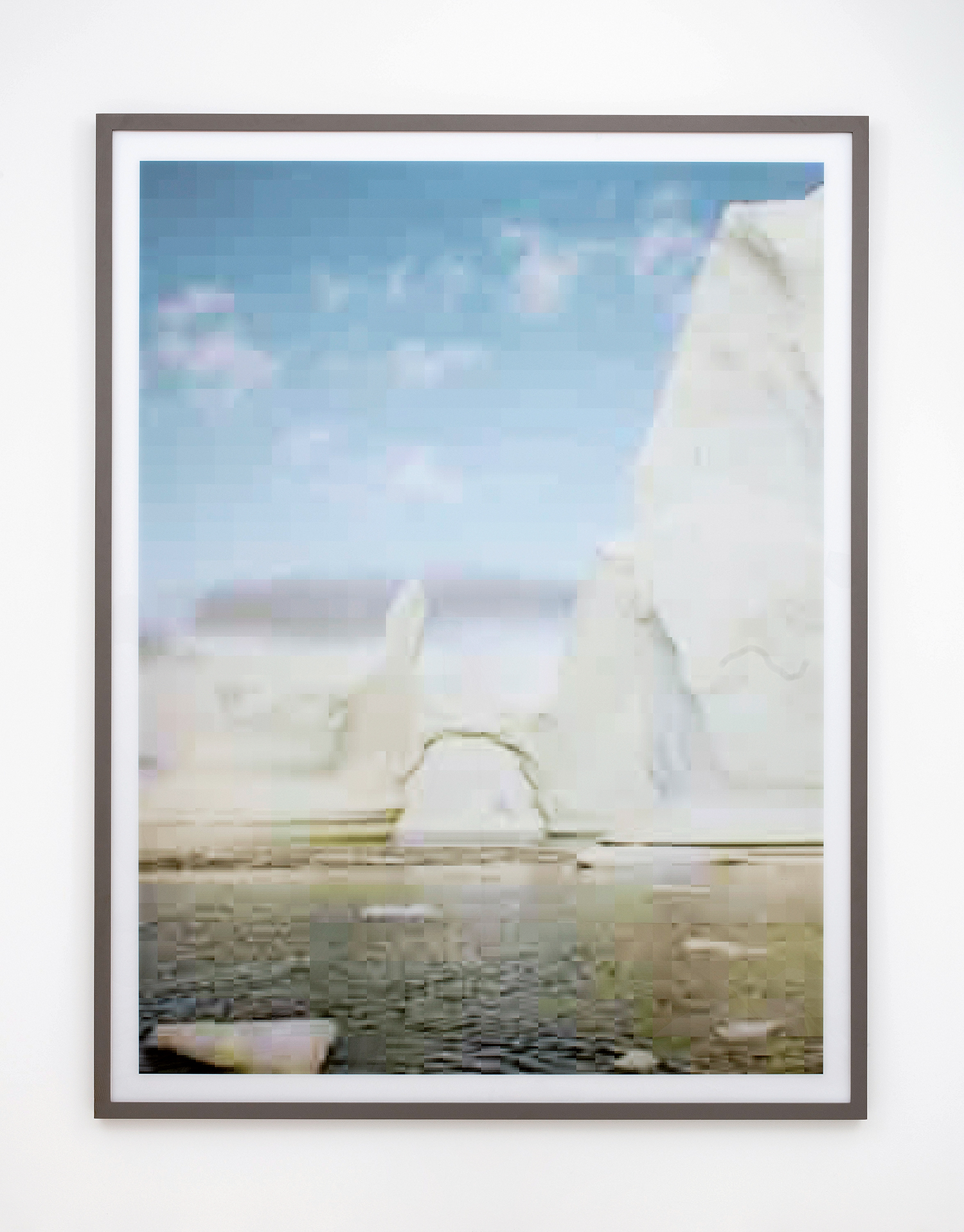
Fair director Florence Bourgeois has framed the edition as a panorama stretching from 19th-century prints to the latest digital experiments, with the medium's history woven through every part of the event. The opening statement is a retrospective installation by Thomas Ruff, mounted on a wall nearly 40 metres long at the Grand Palais entrance. It will include works from his Sterne series (1989–1992), built from astronomical images from the European Southern Observatory, alongside his pixelated Jpegs (2004–2009) of landscapes, technology and historical events — a pairing that tracks how photographic technology reshaped what a picture looks like.
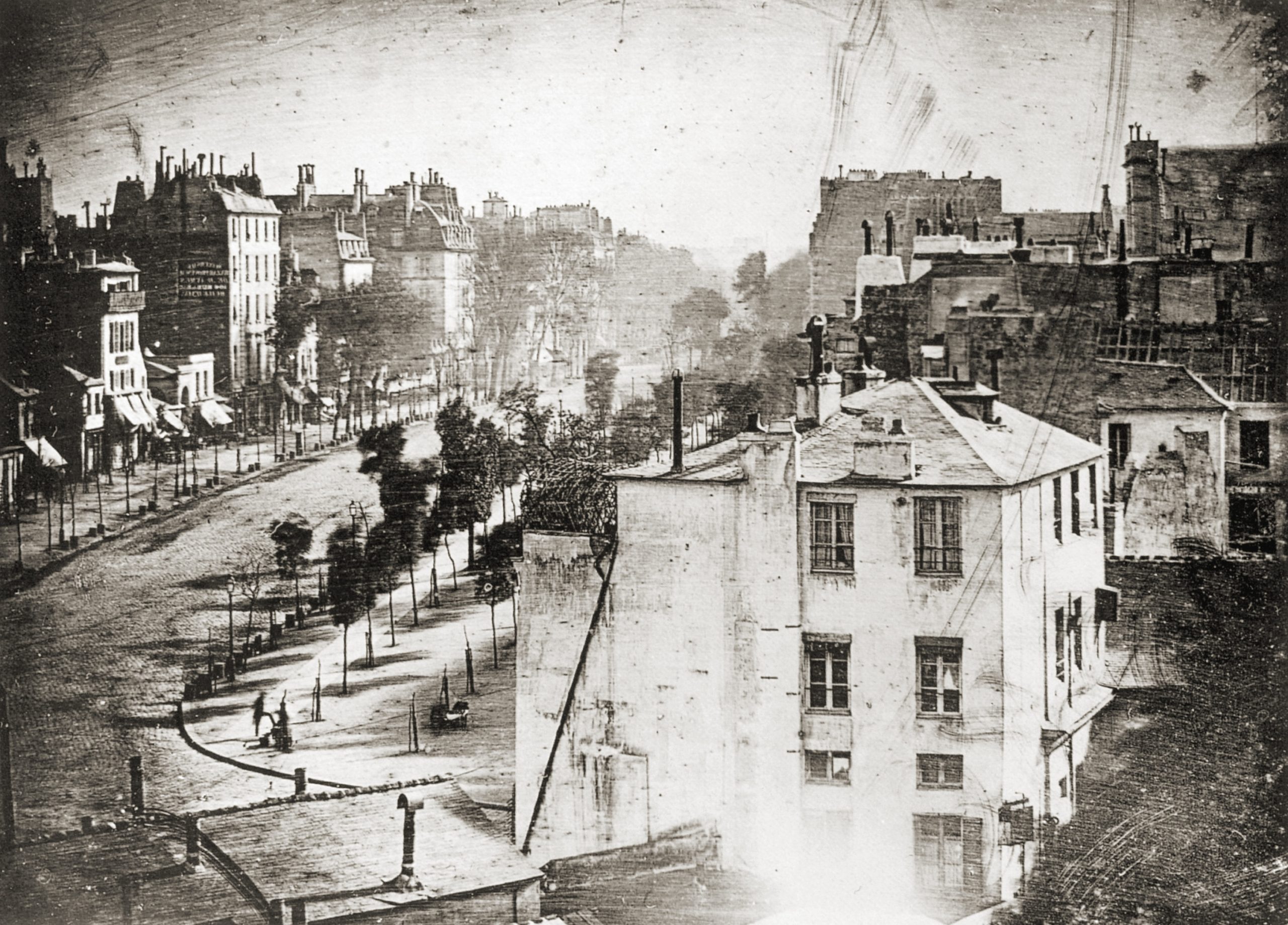
A second historical anchor comes from the Centre Pompidou's Musée National d'Art Moderne: Florian Ebner and Damarice Amao are curating a show on the development of photography from the museum's collection, with Julie Jones of the Maison Européenne de la Photographie. More dealers specialising in early prints are expected in the booths this year, including presentations of daguerreotypes and calotypes by the first practitioners of the medium.
The curated sectors take up the bicentennial from the contemporary end. Voices, curated by Francesco Zanot and Zasha Colah under the title La Disparition, explores the paradox of a medium invented to preserve traces that is now itself unstable — featuring work by Léonard Pongo, who manipulates the limits of visibility. The Digital sector, curated by Fotomuseum Winterthur's Marco De Mutiis, spans glitches and Photoshop to AI and machine learning, while the talks programme pairs scholar Tina Campt with photographer Zanele Muholi. In Emergence, Randa Mirza photographs destruction in southern Lebanon, and Nicolás Combarro examines concentration camps through absent historical images — a reminder that the fair's history lesson has sharp contemporary teeth.