Market dispatch·London
$5.4M Loss: Pace Gallery's UK Arm Now Owes More Than It Owns, Filings Show
Pace Gallery's British arm lost about $5.4 million in 2025, according to new filings at Companies House, deepening a $1.9 million loss the year before and leaving the business owing more than it owns. Chief executive Marc Glimcher has responded by saying the gallery will open a new location in Europe.
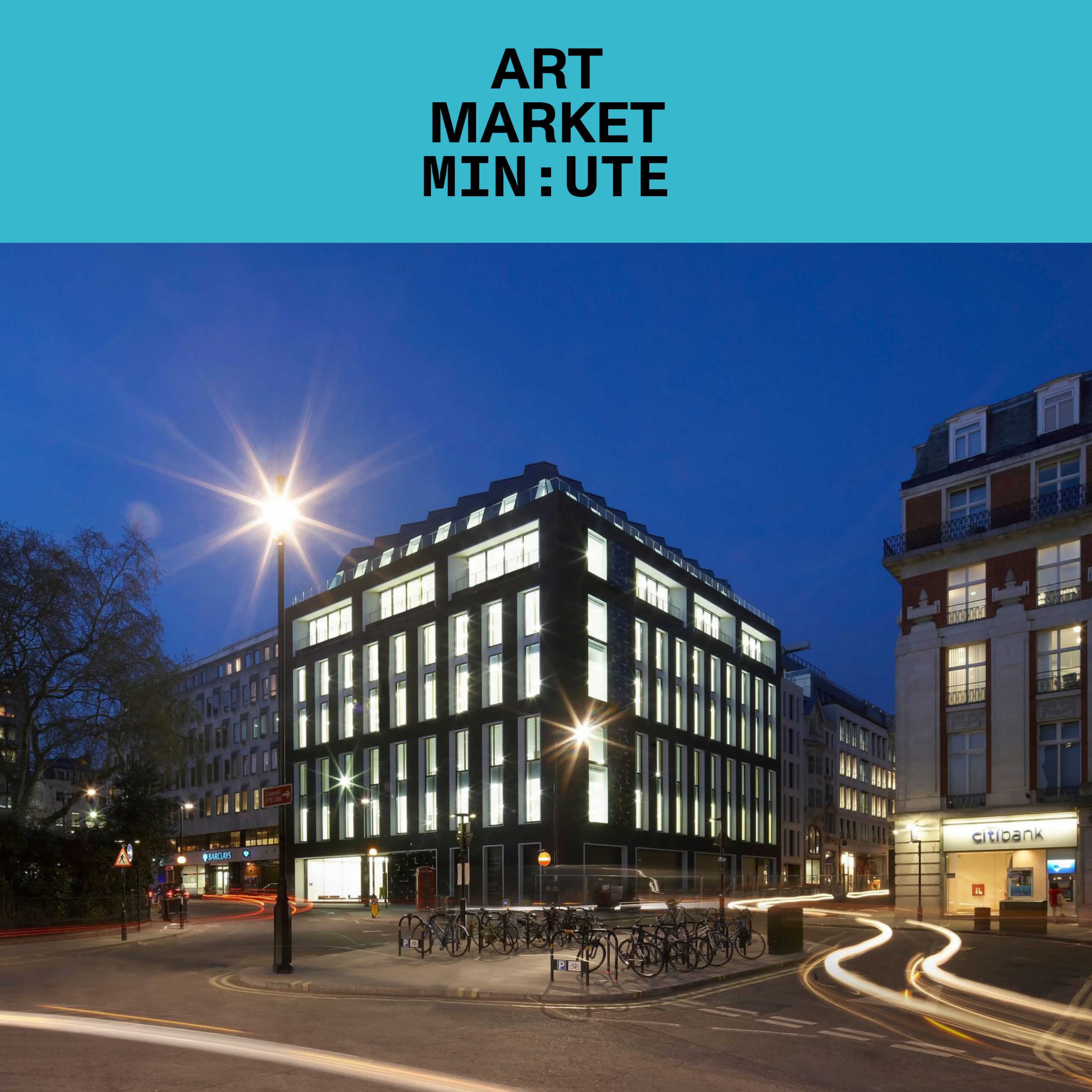
Pace Gallery's British business lost about $5.4 million in 2025, according to new filings at Companies House, the UK's official register of company accounts. The accounts show the gallery's UK arm now owes more than it owns, a sharp deterioration on the $1.9 million loss it recorded the previous year, and a rare public window into the finances of one of the world's largest commercial galleries.
The figures matter because galleries of Pace's scale almost never discuss their numbers in public. Founded in New York in 1960, Pace has grown into a global operation with spaces in London, Los Angeles, Hong Kong, Seoul and Geneva, and its London arm has been a flagship of that international expansion. A loss of this size, following a smaller loss the year before, suggests the downturn is not a one-off but a sustained squeeze on the gallery's British business.
Chief executive Marc Glimcher has responded to the reports, telling ARTnews that the gallery will open a new location in Europe, a signal that Pace intends to keep growing its footprint despite the red ink. The gallery has not commented publicly on the detail of the UK accounts beyond that response, and it is not clear from the filings alone which parts of the business drove the loss.
The disclosure lands in a cautious moment for the wider trade. Dealers across London and New York have reported a slower primary market through 2026, with collectors taking longer to commit and mid-level sales under particular pressure, even as headline auction results at the very top end have held up. Against that backdrop, a $5.4 million loss at a house of Pace's standing underlines how broad the slowdown has become.
For the market, the question now is whether the loss reflects a temporary dip or a structural shift in how the biggest galleries operate. Pace's answer, for now, is expansion: a new European space, announced in the same breath as the losses became public, suggests its leadership still believes scale is the way through a thin market.


