Art world report·Bangkok
Bangkok's Nomad Art Residency Opens First Global Call With Land-and-Water Theme
Nomad Art Residency in Bangkok has launched its inaugural open call for 2027–28, inviting mid-career international artists, curators, writers, filmmakers, choreographers and creative technologists to respond to the theme "Land speaks. Water speaks. Are we listening?" Applications run from 23 October 2026 across six cohorts of four- or twelve-week residencies.
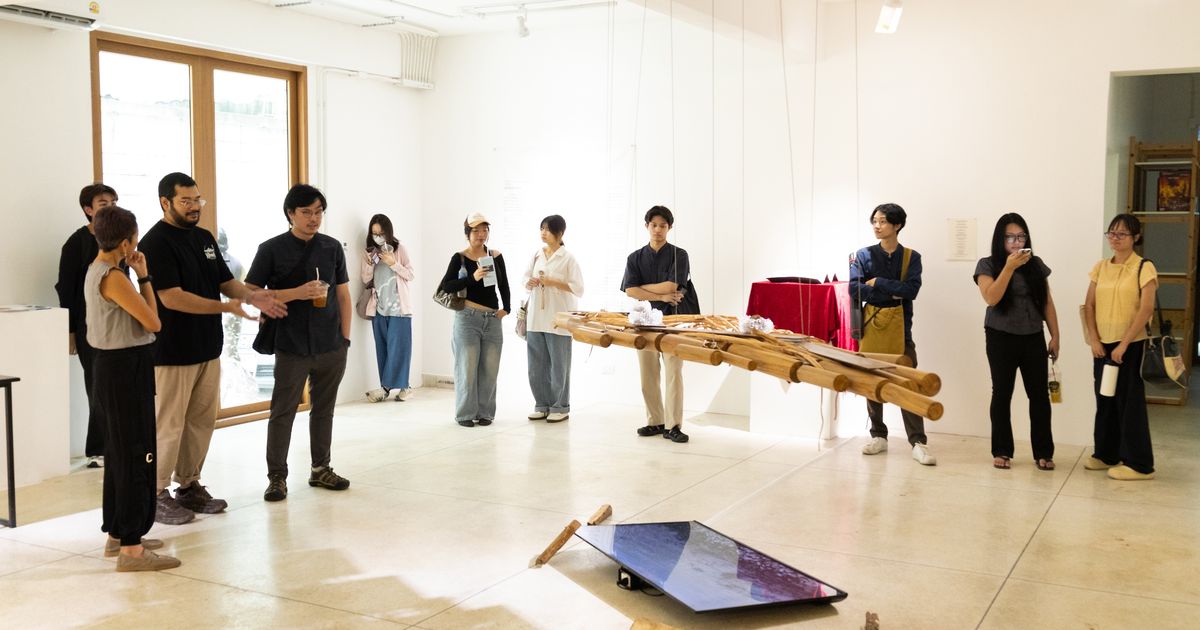
A new Bangkok-based residency is opening its doors to the world. Nomad Art Residency, located in the historic Khlong San district on the banks of the Chao Phraya River, has announced its first-ever open call for international practitioners, covering the 2027–2028 season. The programme is aimed at mid-career artists, curators, writers, filmmakers, choreographers and creative technologists, and asks applicants to respond to a single guiding theme: "Land speaks. Water speaks. Are we listening?"
The application window runs from 23 October 2026 to 31 October 2027, with six cohorts scheduled across the season. Cohorts are intentionally small — four to six practitioners each — and come in two tracks. The four-week Nomad Track, priced at 55,000 THB (around USD 1,570) for self-funding residents, offers private off-site accommodation, studio space, guided immersion in the district's multicultural surroundings, access to Bangkok's contemporary art galleries and institutions, and direct contact with a community of more than ten working Thai artists in the same building.
The twelve-week Lab Track, at 240,000 THB (around USD 6,860), adds a dedicated curatorial mentor, facilitated peer critique and a four-day field research component with the Pga K'nyau hill-tribe community at Baan Nong Tao plus a city visit to Chiang Mai, giving residents a direct encounter with indigenous ecological knowledge. Priority deadlines apply per cohort — 30 November 2026 for the first three, 31 January 2027 for the fourth, 31 July 2027 for the fifth and 31 August 2027 for the sixth — and early submission is strongly encouraged.
The residency positions itself around serious engagement with ecology, land, water and indigenous knowledge, as well as the cultural and political relationships that form around those questions. Residents pursue individual research while developing their thinking in sustained dialogue with their cohort across disciplines, and each cycle closes with a public programme event. A discretionary Scholar Rate is available for exceptional practitioners from underrepresented funding contexts, and all accepted residents receive a formal letter of invitation with itemised budget documentation to support grant applications in their home countries.