Museum report·London
National Gallery traces slavery's imprint on its collection in three new films
The National Gallery has released the first of three short films, presented by historian Dr Sean Cham, tracing the lives of people linked by slavery behind works in its collection, starting with Mary Francoise and the collector John Julius Angerstein.
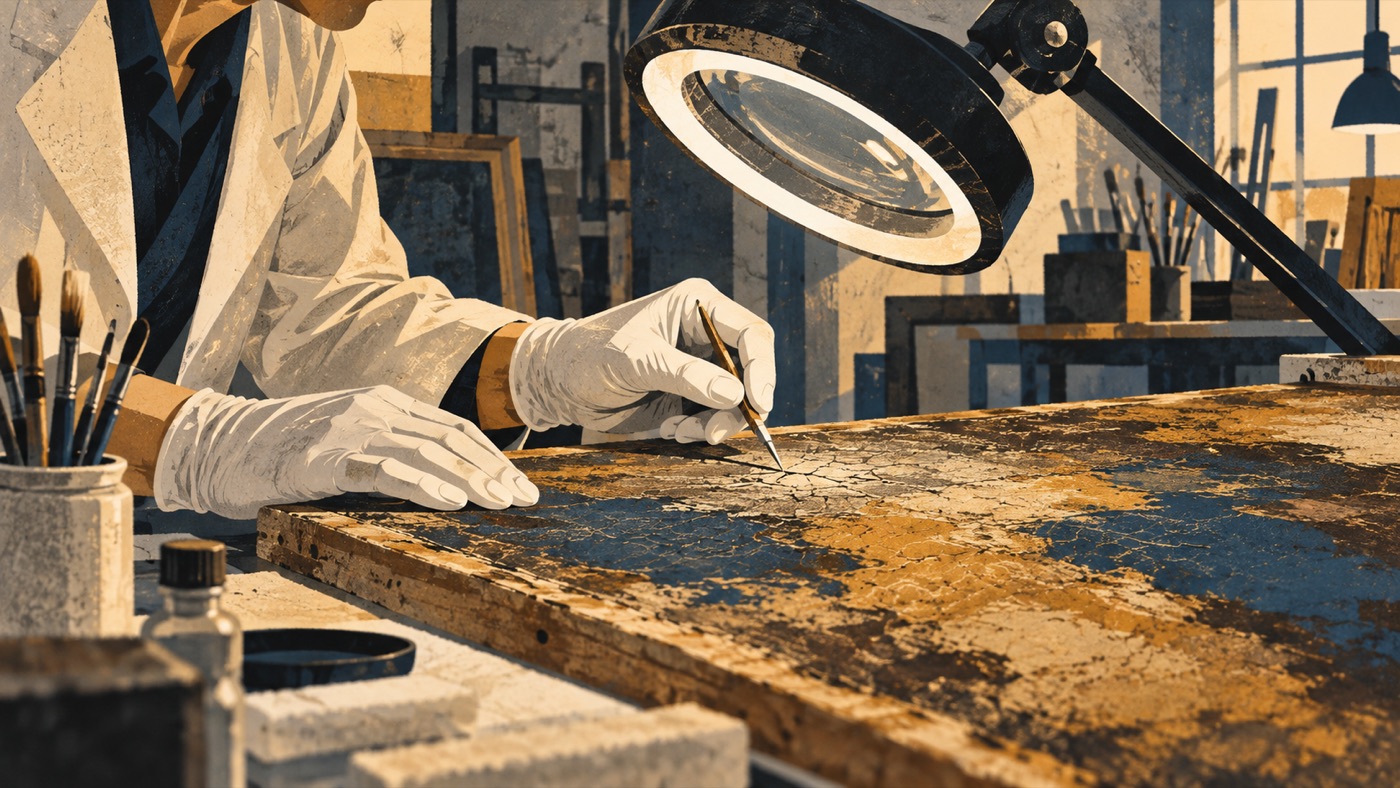
The National Gallery has begun releasing a series of three short films tracing the human lives bound up with slavery and empire behind pictures in its collection. Presented by historian Dr Sean Cham, the series, Linked Lives: Art and Empire, looks beyond the frames to the people whose labour, freedom and fortunes shaped the works on its walls, and to the collectors whose purchases built the gallery itself.
The first film, released on 12 November, follows Mary Francoise, an enslaved woman whose life was connected to John Julius Angerstein, the collector whose paintings formed the founding core of the National Gallery when it opened in 1824. Her story opens a window onto the wealth generated by enslavement that underpinned the collection's beginnings.
A second film turns to Mary Katz and the banker Alexander Baring, tracing how the family's money and influence reached into the gallery's history. A third follows Betty, whose life intersected with that of Charlotte Fitzhugh, continuing the series' focus on individuals whose names rarely appear on wall labels but whose lives are woven into the pictures' pasts.
Together, the three films ask viewers to look at familiar paintings differently, treating each canvas as the end point of a chain of people, money and power that stretched across the Atlantic world. Each film uses the Gallery's own pictures as its starting point, following the people connected to them rather than the artists who painted them. By naming the enslaved and the overlooked alongside the celebrated collectors, the Gallery is putting its own history under the same scrutiny it applies to the art on its walls.