Museum report·London
National Gallery Told to Be Braver: Public Panel Urges It to Share Art Across the UK
London's National Gallery has published the findings of its citizens' assembly, NG Citizens: 55 members of the public urge the museum to be braver, grow commercial income, use technology for under-represented visitors, and share its collection across the UK rather than concentrating on its London extension.
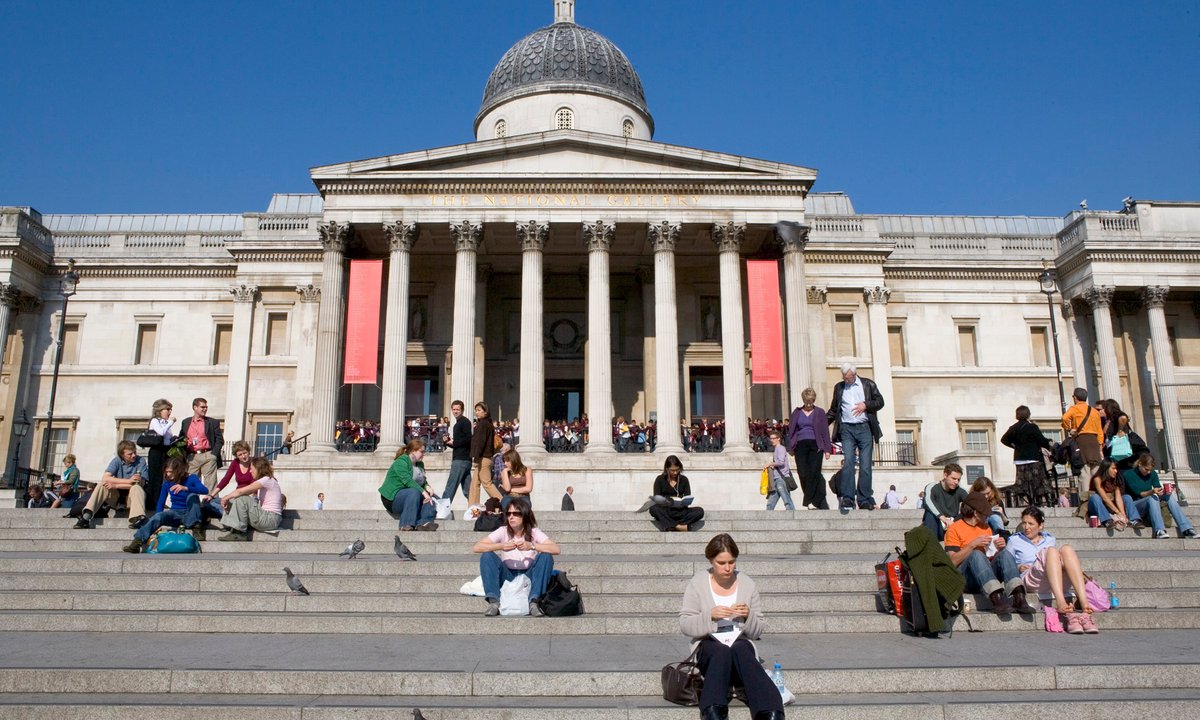
London's National Gallery has published the findings of a citizens' assembly it convened to help steer its future, and the message from the public is blunt: be braver. The report, released on 9 November, says the 55 members who took part gave the museum a mandate to act boldly in reshaping how it works and whom it serves.
The assembly, called NG Citizens, was announced in July 2025 as an attempt to rethink the museum's governance by bringing members of the public into decision-making. Participants met for five sessions between November 2025 and March 2026, debating a single open question: what should the public want from the country's National Gallery, and how can it bring people and paintings together in authentic and meaningful ways? Their answers were distilled into eight core principles and a set of recommendations.
Among them: the gallery should embrace commercial opportunities more openly, and use technology to build personalised visits, particularly for groups currently under-represented among its audiences. Members also urged it to say more about the wider history, representation and context behind the pictures on its walls, and warned that the collection urgently needs to be a true reflection of the UK. Some topics were off limits: changes to the building, buying or selling paintings, and anything that might compromise the gallery's arm's-length relationship with government.
The assembly will continue as a Citizens' Panel, with three cohorts working with the museum between 2026 and 2030 to oversee implementation. Culture consultant Maurice Davies called the report quite remarkable but questioned whether the gallery would be bold enough to act on it, noting members' call to share paintings and resources across the country, a suggestion that could put pressure on its planned London extension, backed by two 150 million pound pledges received last September and due for completion in the early 2030s.