Profile·Global
Mona Chalabi Turns America's Wealth Gap Into Hand-Drawn Portraits of Ten Lives
Pulitzer Prize-winning data journalist and artist Mona Chalabi discusses her first book, Ten Lives: How What We Have Shapes Who We Are, built from six years of interviews with anonymous subjects across income levels and rendered in her hand-drawn style. She talks about class, journalism and the art world in a new Hyperallergic interview.
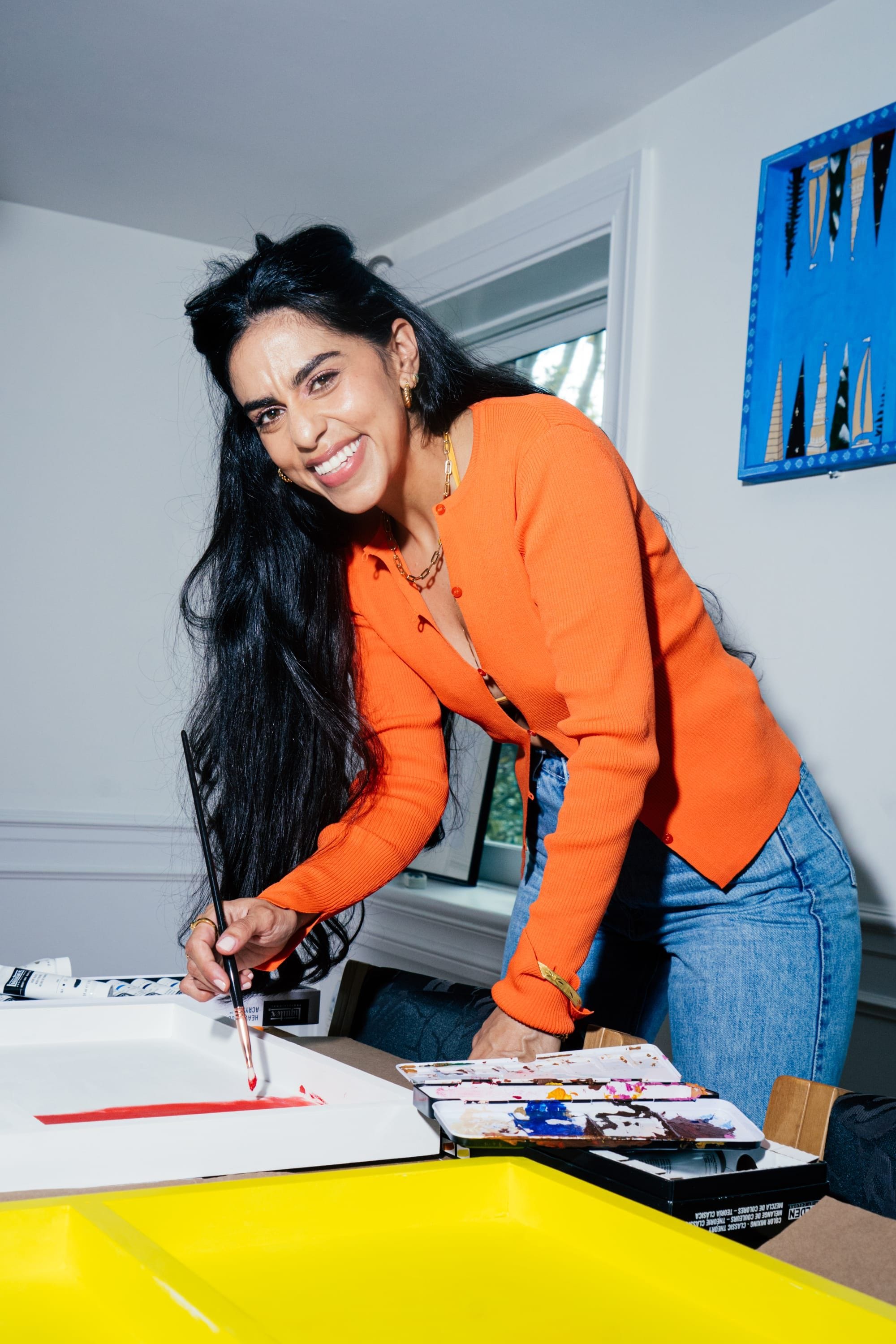
Mona Chalabi, the Pulitzer Prize-winning Iraqi-British data journalist and artist, has turned the subject most people avoid, money and class, into her first book. Ten Lives: How What We Have Shapes Who We Are, published in 2026, follows ten people across the income spectrum, each standing in for a different economic class, and renders their lives in her signature hand-drawn style. She built the book from meticulous interviews with anonymous subjects conducted over six years, weaving in reflections on her own financial struggles as a young journalist and, more recently, while caring for her ill mother.
Chalabi is best known for data visualisations that make inequality impossible to ignore, from a famous chart of Jeff Bezos's wealth to images documenting the Israeli government's starvation of Palestinians in Gaza and the racial and gender biases in museum collections. In conversation with Hyperallergic, she describes a career built on refusing to look away, a habit she traces to childhood, when she was scolded for not observing what she calls the etiquette of looking away.
The book's opening line, cut by her editor, was a blunt joke about the advance she was paid to write it. That candour runs through the project: Chalabi argues that class shapes journalism and the art world as much as it shapes everyday life, yet is rarely discussed in either. She places her work in a lineage of data visualisation that reaches back to W.E.B. Du Bois's Exhibit of American Negroes, and says the interviews left her with a renewed sense of how isolation shapes people's experience of inequality, and how collaboration might counter it.
Her politics are inseparable from the work. Chalabi donated her 15,000-dollar Pulitzer Prize award to the Palestinian Journalists Syndicate and has campaigned for Palestinian rights since she was a teenager. She recorded an audiobook version of Ten Lives shortly before meeting her interviewer in New York's West Village in September, a process she describes as delicate given how much of the book depends on its visuals.