Exhibition preview·New York
MoMA PS1's 'Malvestir' to Put Latin American Fashion and Its Politics on Show in Spring 2027
MoMA PS1 has announced Malvestir, a spring 2027 exhibition of 20 artists and designers probing the history and politics of Latin American dress, from Indigenous weaving traditions to the street style of Willy Chavarria and LUAR.
MoMA PS1 has announced Malvestir, an exhibition on the visual language of Latin American fashion that will open in April 2027. Twenty artists and designers from across the Americas will take part, among them Patricia Belli, Troy Montes Michie, Willy Chavarria, Camila Falquéz, Carla Fernández, Josh Tafoya and Raul Lopez of LUAR. The show is curated by MoMA PS1 director Connie Butler and associate curator Elena Ketelsen González.
The title joins the Spanish words mal, meaning poorly, and vestir, to dress, and recalls malvestidos, the colonial-era label applied to people whose clothing did not conform to prescribed boundaries of race, caste and gender. The exhibition probes the historical and contemporary resonances of Latin American dress, taking on the Western appropriation of Indigenous crafts, exorbitant textile waste and the fetishisation of Latin American styles, alongside questions of identity, class and power.
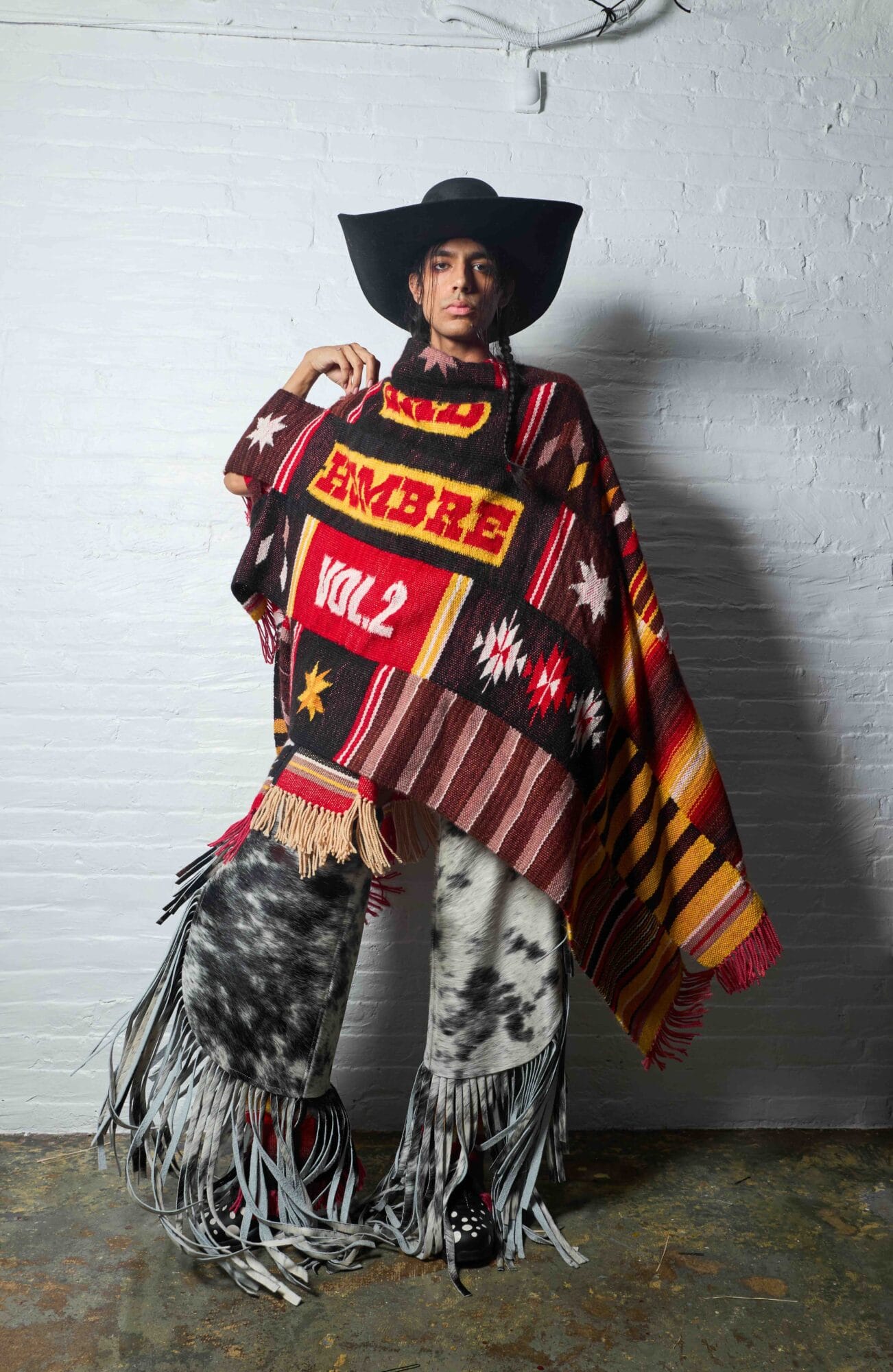
Several participants are working to reclaim styles and symbols absorbed by mainstream markets. New York designer Willy Chavarria, known for oversized proportions and street-style designs emblematic of the Mexican-American fashion tradition, will show Safe From Home, a 2024 film extending the themes of love and the right to safety from his autumn-winter 2024 collection. Carla Fernández nurtures collaborations with artisans in Mexico to preserve Indigenous motifs against corporate reproduction, while New Mexico-based Josh Tafoya revitalises his family's weaving tradition through the centuries-old practice of Rio Grande loom weaving.
The announcement arrives as Latin American communities face regressive crackdowns from governments, corporations and immigration enforcement, a climate the show answers by displaying the full range and power of Latinx cultures. As the anthropologist Arlene Dávila wrote in Hyperallergic this month, artists such as Chavarria and Lopez frequently use street-cast Black and Brown models to communicate a richer, more inclusive vision beyond Eurocentric runways, telling their stories by any means necessary.