Exhibition preview·New York
MoMA marks six decades of experimental film with Millennium Film Workshop tribute
The Museum of Modern Art is hosting screenings in October honouring the Millennium Film Workshop and the Film-Makers' Cooperative, as the New York avant-garde institution celebrates 60 years.
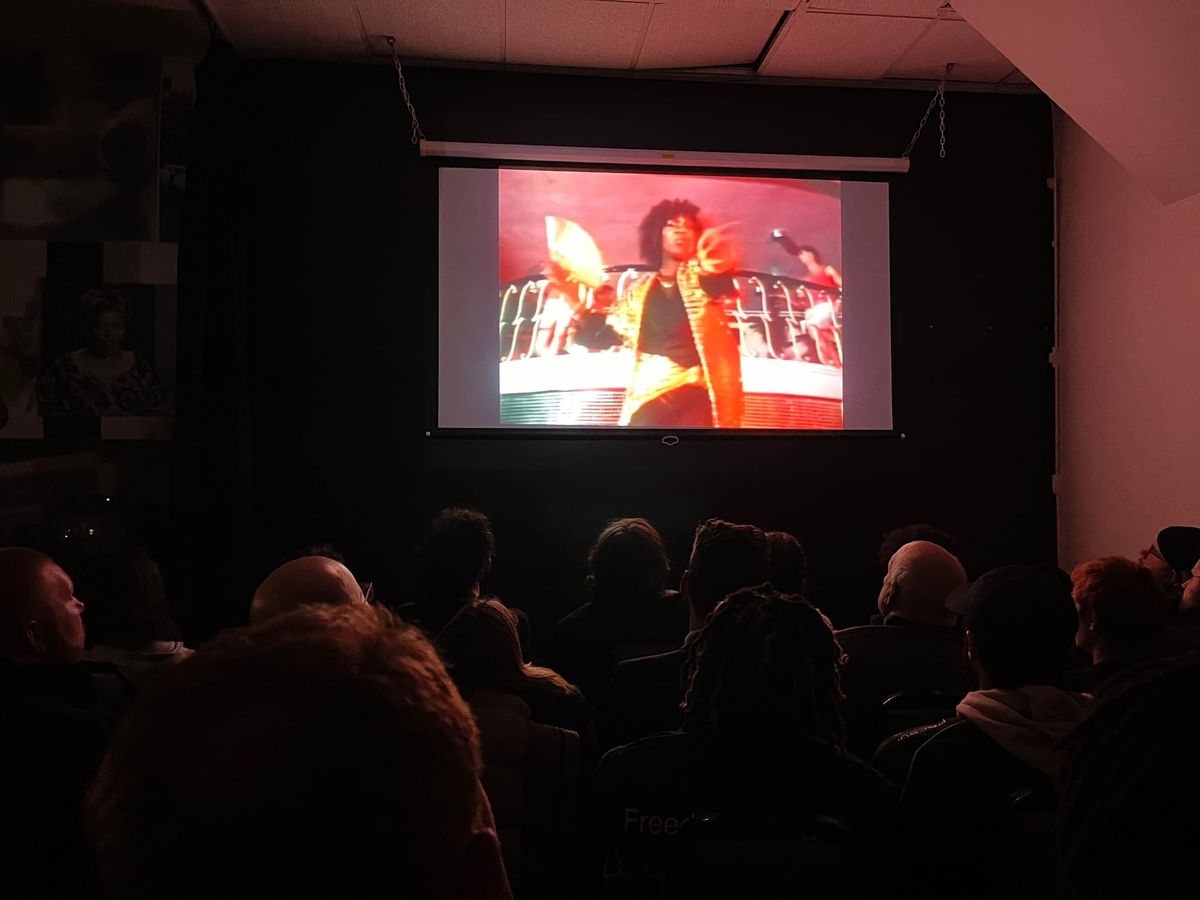
The Millennium Film Workshop, one of New York City's longest-running homes for experimental and non-commercial filmmaking, is marking its 60th anniversary this year. To honour the occasion, the Museum of Modern Art is hosting a series of screenings in October celebrating both the Workshop and the Film-Makers' Cooperative, the distribution network from which it grew. Founded by artists who emerged from the Film-Makers' Cooperative, the Workshop has spent six decades offering filmmakers access to practical resources that commercial industry rarely provides: camera equipment, workshop programmes, a gallery space and the Millennium Film Journal. Its ethos has remained consistent through changes in technology and funding, treating self-expression and experimentation as ends in themselves rather than as stepping stones to the mainstream. The Workshop's origins lie in a rupture within the New York film scene of the early 1960s. In 1961, Cinema 16, then the city's only venue for experimental film, rejected Stan Brakhage's Anticipation of the Night. In response, figures including Jonas Mekas, Shirley Clarke and Ken and Flo Jacobs formed the New American Cinema Group, and the Film-Makers' Cooperative was established the same year to distribute and archive the growing body of independent work. The Millennium Film Workshop grew out of that collectivist impulse. Six decades on, the organisation continues to function as a gathering point for artists working outside commercial parameters, hosting ongoing series alongside its equipment and education programmes. The MoMA screenings place that history in an institutional frame, acknowledging the Workshop's role in sustaining an avant-garde community through periods when experimental film has had little commercial or critical shelter. For a city whose cultural infrastructure has repeatedly been reshaped by rising costs, the anniversary is also a reminder of how such artist-run spaces survive.