Exhibition preview·Oslo
At Galleri K in Oslo, Mikkel McAlinden Turns the Akerselva River Into an Uncanny Photographic Undertow
Norwegian photographer Mikkel McAlinden's exhibition "Riptide" at Galleri K in Oslo, on view through November 1, presents meticulously constructed photographs of the Akerselva river that trade documentary fidelity for engineered, uncanny visions of nature.
Norwegian photographer Mikkel McAlinden has built his practice around making nature look stranger than it is, and his current exhibition at Galleri K in Oslo pushes that instinct further. "Riptide," on view through November 1, presents a series of works shot from the Akerselva, the river that runs through the Norwegian capital, transforming its banks into stages for uncanny, meticulously constructed images.
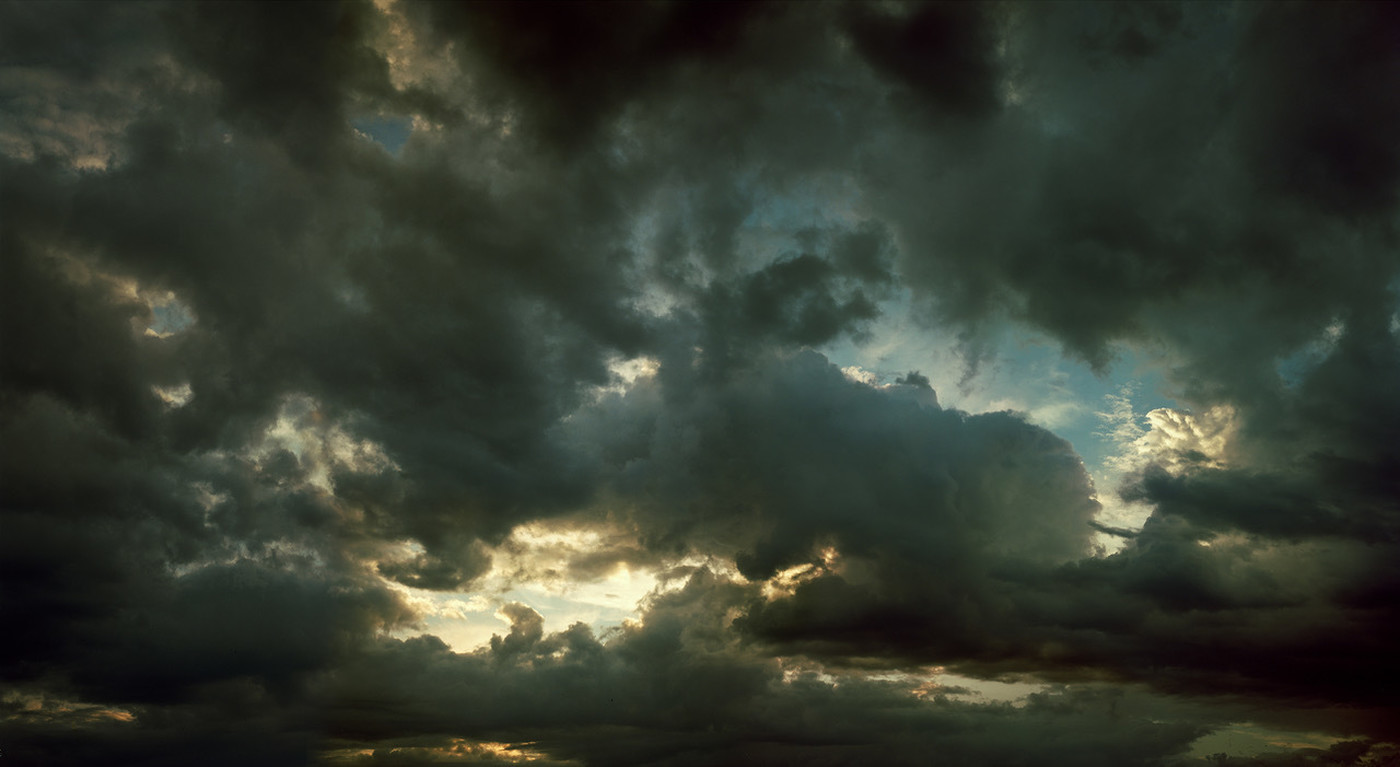
The title work, "Riptide" (2026), sets the tone. Nearly the entire lower half of the composition dissolves into shadow, broken only by small reflections of light, while the upper portion offers fragmented glimpses of civilization. The effect is deliberately disorienting: a landscape that refuses to settle into a single reading. Nearby, "Gadd" (2026) first appears to be a straightforward study of a gnarled tree trunk, but closer inspection reveals an impossible tangle of bark and twigs that feels surreal rather than documentary.
The exhibition's title nods to the Norwegian word for undertow, and instability runs through the show as a theme. McAlinden engineers his photographs rather than simply taking them, constructing versions of nature that are vivid but not quite true. The approach echoes a historical reference point: the show takes its cue from Fritz Thaulow, the 19th-century painter who famously depicted the same river, and who, like McAlinden, treated the Akerselva as a subject for formal experimentation.
The parallel is deliberate. Just as painters at the turn of the last century abandoned strict fidelity to representation in favor of expressive technical choices, McAlinden treats photography as a medium with equal expressive latitude. His images are not records of the river but propositions about it, places where light, shadow and constructed detail collide.
Together, the works point to a pervasive sense of unease that never fully resolves. McAlinden's engineered nature does not pretend to document reality; it offers an alternative to it, one that keeps the viewer in a state of unending visual inquiry. The exhibition confirms his position as one of Norway's most distinctive photographic voices, a maker of images that look familiar only until you look twice.


