Market dispatch·London
63% Below Its 2013 Price: Michelangelo Pistoletto's 1962 'Autoritratto' Makes $713,700 at Sotheby's London
Michelangelo Pistoletto's 1962 mirror work 'Autoritratto' sold at Sotheby's in London on 15 October 2026 for $713,700 (£537,600), falling short of its low estimate and landing $1.26 million — about 63% — below the $1.98 million it achieved at Christie's in February 2013. The painted tissue paper on stainless steel, measuring 120.3 × 100 cm, has now been traded at auction three times.
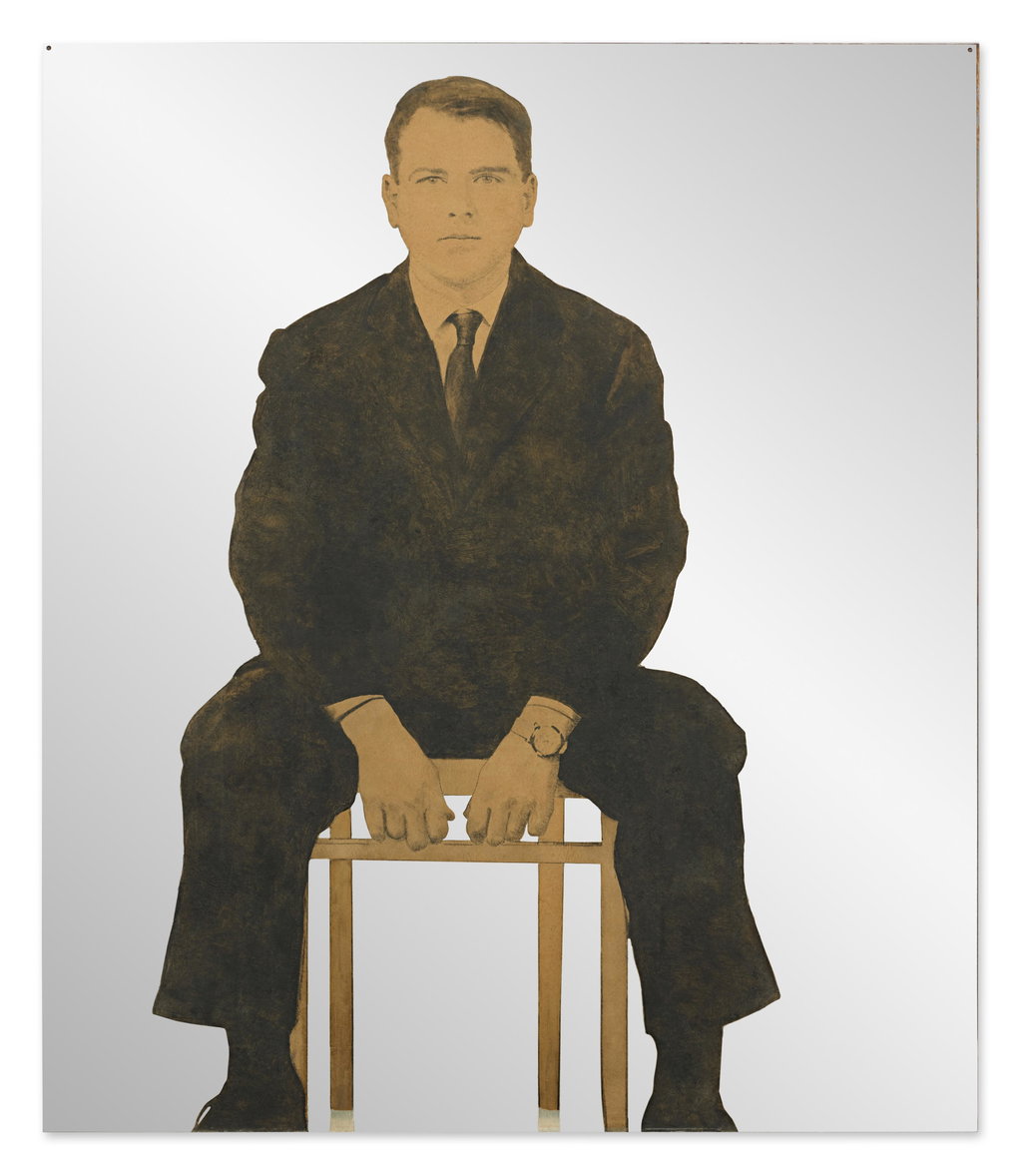
Michelangelo Pistoletto's 'Autoritratto' (1962) changed hands at Sotheby's in London on 15 October for $713,700 (£537,600), a result that cleared no floor of comfort: it missed the low estimate and came in $1.26 million below the $1.98 million the same work commanded at Christie's in February 2013. That is a loss of roughly 63% over thirteen years, one of the sharpest reversals for a blue-chip Italian postwar lot this season.
The work belongs to the series that defined Pistoletto's career — painted tissue paper laid over polished stainless steel, the signature technique of the artist who became one of the defining figures of Arte Povera. At 120.3 by 100 cm it is a characteristic example of his mirror paintings, in which the viewer and the room are drawn into the image as part of the composition.
The result continues a pattern of soft returns for works acquired at the last cycle's peak. Daytime and evening sessions across London's Frieze-week sales have repeatedly shown buyers unwilling to match mid-2010s prices for canonical postwar names, and the Pistoletto joins a growing ledger of lots trading well beneath their previous auction highs. It has now been traded at auction three times, giving the market an unusually transparent record of its long-term trajectory.
For consignors, the message is the same one echoing across the autumn season: liquidity is available, but the price of it is steep. Sellers parting with postwar European works bought at 2013-era levels are accepting discounts measured in millions, not margins. The question now is whether institutional buyers or bargain-hunting collectors will step in to re-anchor such names at these new, lower levels.


