Museum report·Paris
Louvre pairs Francisco de Zurbarán survey with Spanish polychrome sculpture
The Louvre opens 'Zurbarán' and 'Sculpting Colour' on 7 October 2026, the latter presenting 23 polychrome works from Valladolid's Museo Nacional de Escultura. Organised with the National Gallery in London and the Art Institute of Chicago, with Deloitte as patron, the opening day includes a concert by the Cantoria Ensemble.
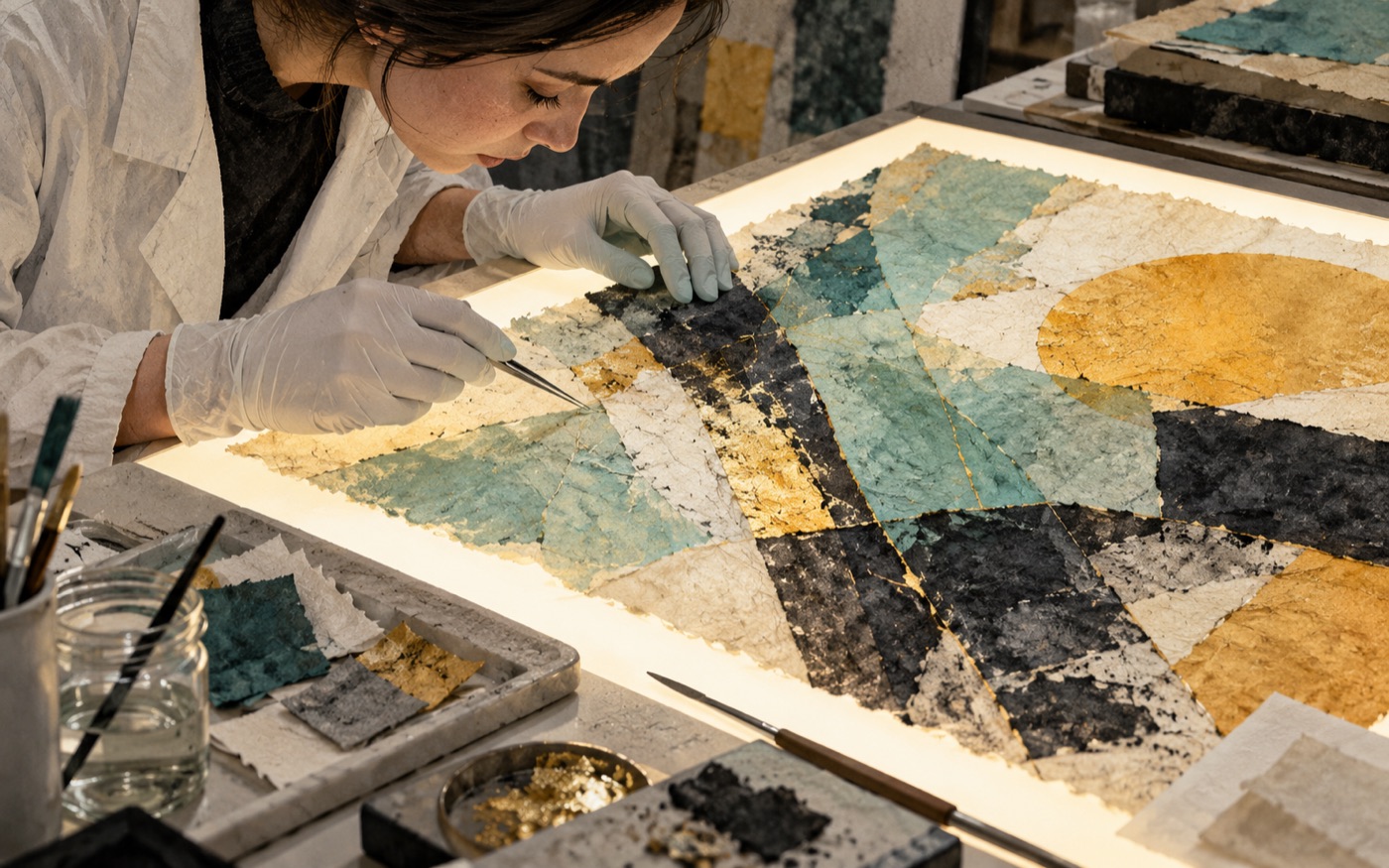
The Musée du Louvre will open two exhibitions on 7 October 2026: a survey of the Spanish painter Francisco de Zurbarán and a companion presentation titled "Sculpting Colour." The second show gathers 23 polychrome works from the Museo Nacional de Escultura in Valladolid, bringing one of Spain's great sculptural traditions to Paris. Zurbarán, active in the first half of the seventeenth century, is known for starkly lit religious compositions whose dramatic stillness places him among the defining painters of the Spanish Baroque. Pairing his canvases with carved and painted sculpture from Valladolid sets his imagery alongside the three-dimensional devotional culture that surrounded it, suggesting how painting and sculpture shared a visual language in Counter-Reformation Spain. The exhibitions are organised in cooperation with the National Gallery in London and the Art Institute of Chicago, continuing the Louvre's pattern of large international partnerships for its major autumn surveys. Deloitte serves as patron of the program. The opening day includes a concert by the Cantoria Ensemble, adding a musical dimension to the launch. Zurbaran (1598-1664) spent most of his career in Seville, painting for the monastic orders whose commissions gave his work its characteristic gravity. His still, dramatically lit figures made him one of the defining artists of Spain's Golden Age, though he has historically been shown less often in France than Velazquez or Murillo. A dedicated Louvre survey therefore marks a significant moment for the reception of Spanish Baroque painting in Paris, and the pairing with polychrome sculpture offers visitors a fuller picture of the devotional world his canvases came from. Together, the two presentations give the Louvre's autumn season a distinctly Spanish accent, placing seventeenth-century religious art at the centre of the museum's program as it heads into the final quarter of 2026.