Policy brief·Washington, D.C.
After Algae, Peeling Paint, and a Collapsed Vandalism Case, Water Returns to the Lincoln Memorial Reflecting Pool
The National Park Service has begun refilling the Lincoln Memorial Reflecting Pool after a $14-million-plus refurbishment plagued by algae blooms, peeling blue coating, and a vandalism prosecution that fell apart when evidence pointed to faulty installation instead.
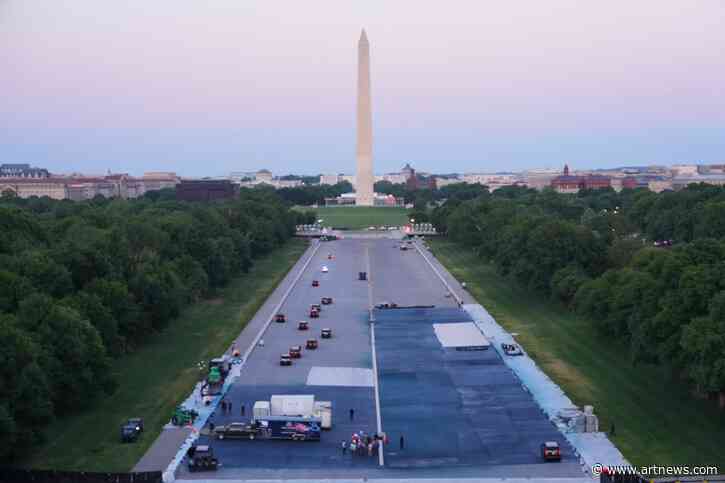
Water is flowing back into the Lincoln Memorial Reflecting Pool. On Monday, visitors to the National Mall watched as the National Park Service began refilling the iconic basin, posting a sign explaining that the pool is being refilled while contractors put the final touches on what it called a historic effort to clean, repair, and beautify the landmark. The agency cautioned that the water might look temporarily cloudy during the normal refilling process. The refill marks a tentative end to one of the messiest public-works sagas in recent Washington memory. President Donald Trump announced the refurbishment in April, promising to restore the pool quickly and cheaply ahead of the United States' 250th birthday celebrations. Instead, the multimillion-dollar project — federal records put the cost above $14 million — unraveled within weeks. A dark blue coating, described by the president as American Flag Blue, began peeling off the basin floor almost immediately, and a massive algae bloom turned the water green. Publicly, the administration blamed vandals. Federal prosecutors brought charges against four people accused of damaging the liner, including former Olympic canoeist David Hearn. But the case collapsed: the U.S. attorney for the District of Columbia later acknowledged that the damage resulted from flawed installation by the contractor and a rush to finish before Independence Day events, and a judge permanently barred prosecutors from pursuing charges against Hearn. The episode has become a case study in how an accelerated, no-bid public project can unravel — and in how a maintenance failure at a national monument can turn into a culture-war drama. For the art and design world, the pool's troubles also raised questions about the stewardship of one of America's most symbolically loaded landscapes, a site where public space, national myth, and monumental design intersect.