Exhibition preview·Lagos
Lagos Biennial Opens a Museum of Things Never Seen
The fifth Lagos Biennial opens to the public on November 14 at Eko Atlantic City with more than 70 artists, imagining a speculative museum built around artworks that have rarely or never been seen.
The Lagos Biennial returns this weekend for its fifth edition, opening to the public on November 14 at Eko Atlantic City in Lagos and running until December 6. Titled The Museum of Things Unseen, it brings together more than 70 artists from Nigeria and around the world, after a professional preview on November 13. It is curated by Furen Dai, Chinyere Obieze and Sam Hopkins, under artistic director Folakunle Oshun, who founded the biennial in 2017.
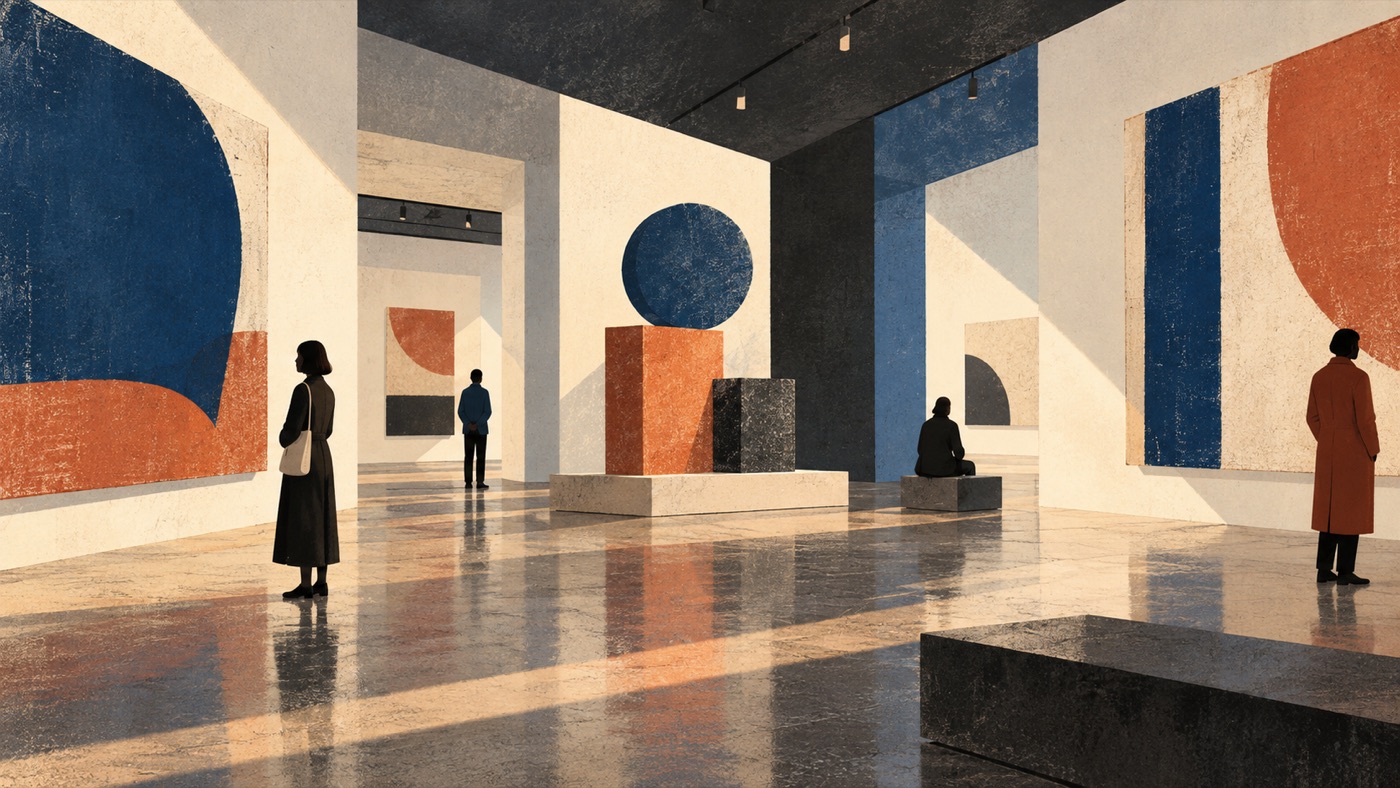
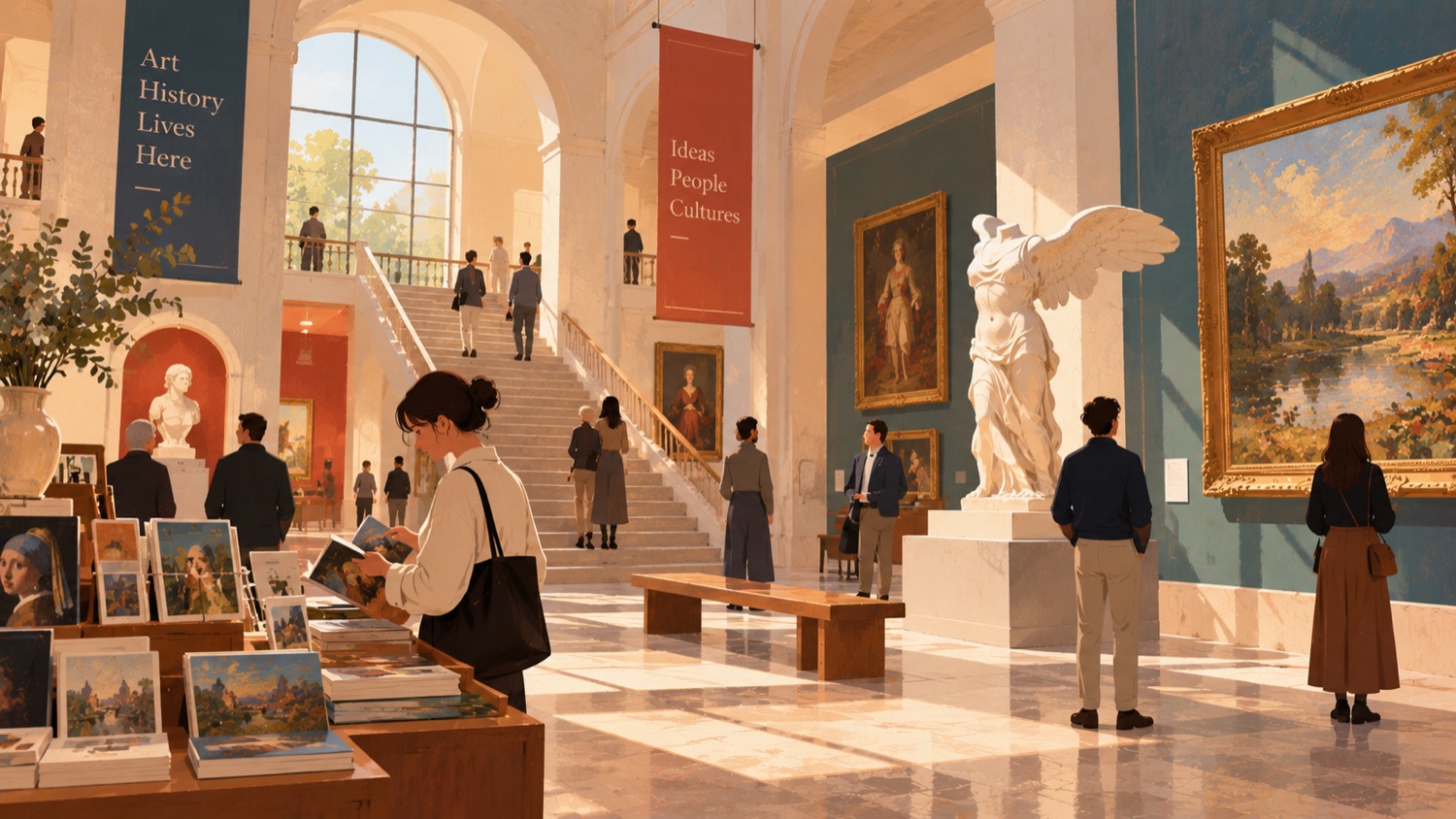
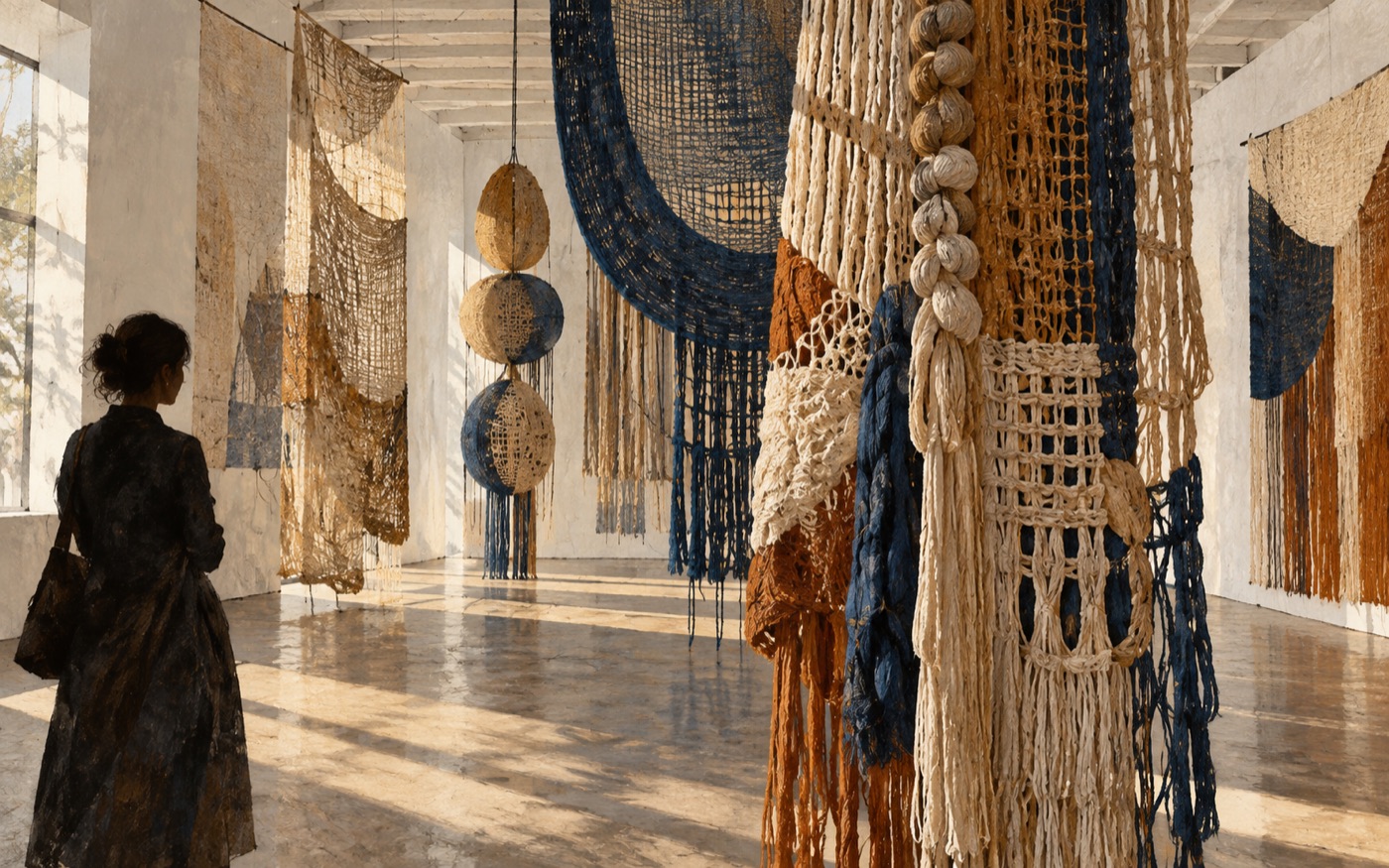
The edition imagines a speculative museum of artworks and histories rarely, if ever, seen. Rather than treating the museum as a neutral container, the curators ask what it would look like if it were designed from nothing, and what forces decide whose work is collected, preserved and remembered. The show examines the structures that have kept certain artists and objects out of museums and dominant art histories, and explores visibility, memory and erasure.
A major part of the edition is the first public presentation of the Akete Collection, described as a diverse international collection of art objects and a pioneering public international art collection in Africa. The biennial also includes special pavilions, among them presentations from the European Union and Chicago's Floating Museum, alongside a parallel programme of residencies, field research, mentorship, public commissions, workshops and a colloquium.
The opening weekend is followed by Curatorial Lab Lagos, an intensive three-day programme running November 16 to 18 and led by Adam Szymczyk, the curator of documenta 14. Conceived as an experimental platform, it invites participants to question inherited exhibition models and to imagine curatorial futures from Africa and beyond, responding directly to the biennial's theme. The Akete Art Foundation, which organises the biennial, is also publishing a volume chronicling the previous four editions alongside reflections on the 2026 show.
Since its founding, the biennial has grown into one of the continent's most critically engaged platforms for contemporary art, operating as an artist-led, non-profit project independent of government and large institutional funding.