Museum report·Seoul
Seoul museum chief under fire after 'patriot' calligraphy he lent turns out to be collaborator's work
National Museum of Korea director Yoo Hong-june is under fire after documents showed a calligraphy he recommended for the 'Our Table' show — billed as an independence patriot's work — was by pro-Japanese collaborator Park Choong-yang and belonged to Yoo himself. He bought it for 50,000 won in 2019 and has apologised again.
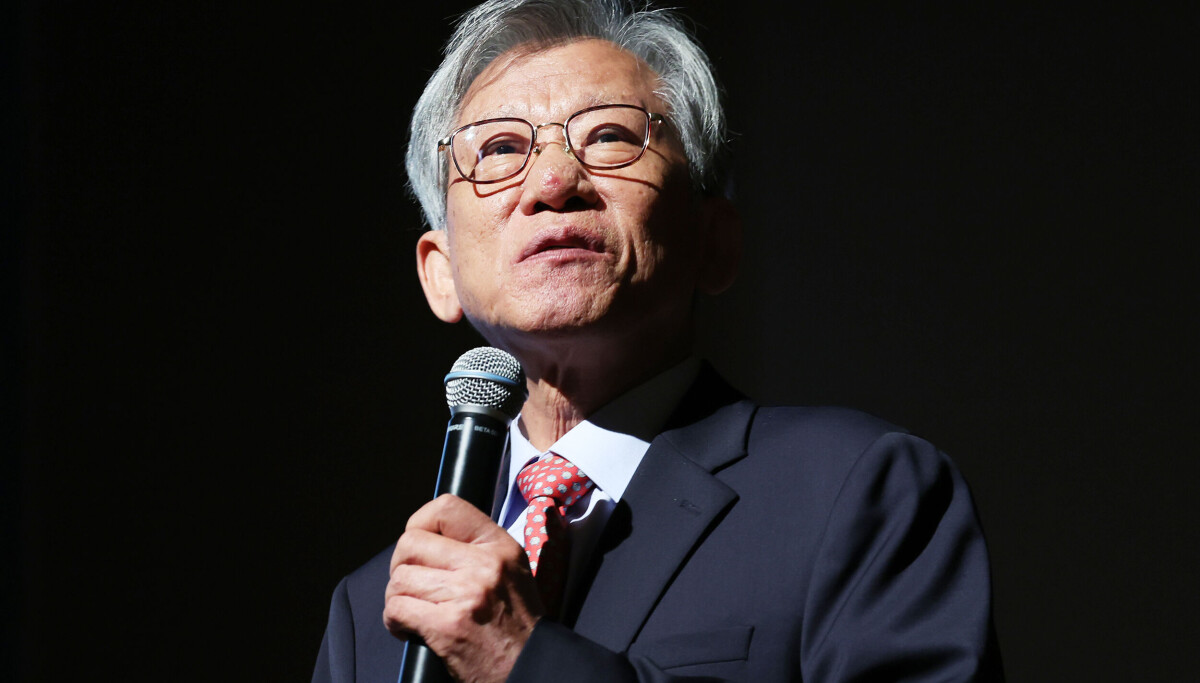
The director of the National Museum of Korea is under mounting pressure after documents revealed that a misattributed calligraphy he championed for exhibition came from his own private collection. The work, inscribed with the phrase meaning "even a single bowl of rice is a grace of the nation," was displayed in the museum's Our Table special exhibition as the hand of independence patriot Park Won-geun (1912–1950). It was later identified as the work of Park Choong-yang (1874–1959), a pro-Japanese collaborator. Materials submitted on 15 October to lawmaker Jeong Yeon-wook confirmed the piece belonged to director Yoo Hong-june, who had recommended it; he bought it for 50,000 won at a 2019 online auction. Yoo has apologised again, saying he had intended the work for donation to a county museum project in Buyeo. He said he had agreed with Buyeo County as far back as 2016 to donate hundreds of artefacts — 865 items valued at 2.7bn won (about $1.9m) through 2024 — and that the disputed calligraphy was earmarked for the county's planned museum. But critics say the episode exposes weak verification: the museum justified the attribution partly on the grounds that no comparable belongings of the patriot survived, and leaned on the owner's own account. Other donations from Yoo's collection — including a Joseon-era stone tiger once owned by his wife, now installed on the museum's steps — face fresh scrutiny, with donor labels quietly removed in July. The controversy has revived debate over governance at South Korea's flagship museum, where the director's double role as collector and gatekeeper is now being openly questioned.