Museum report·Brussels
Brussels' Kanal Museum Faces Steep Subsidy Cuts Just Weeks Before Its Grand Opening
The long-delayed Kanal museum in Brussels is set to open on 28 November 2026, but its public operating budget will shrink from €28 million in 2026 to €10 million a year by 2029, forcing a pivot to private funding that critics say puts its ambition at risk.
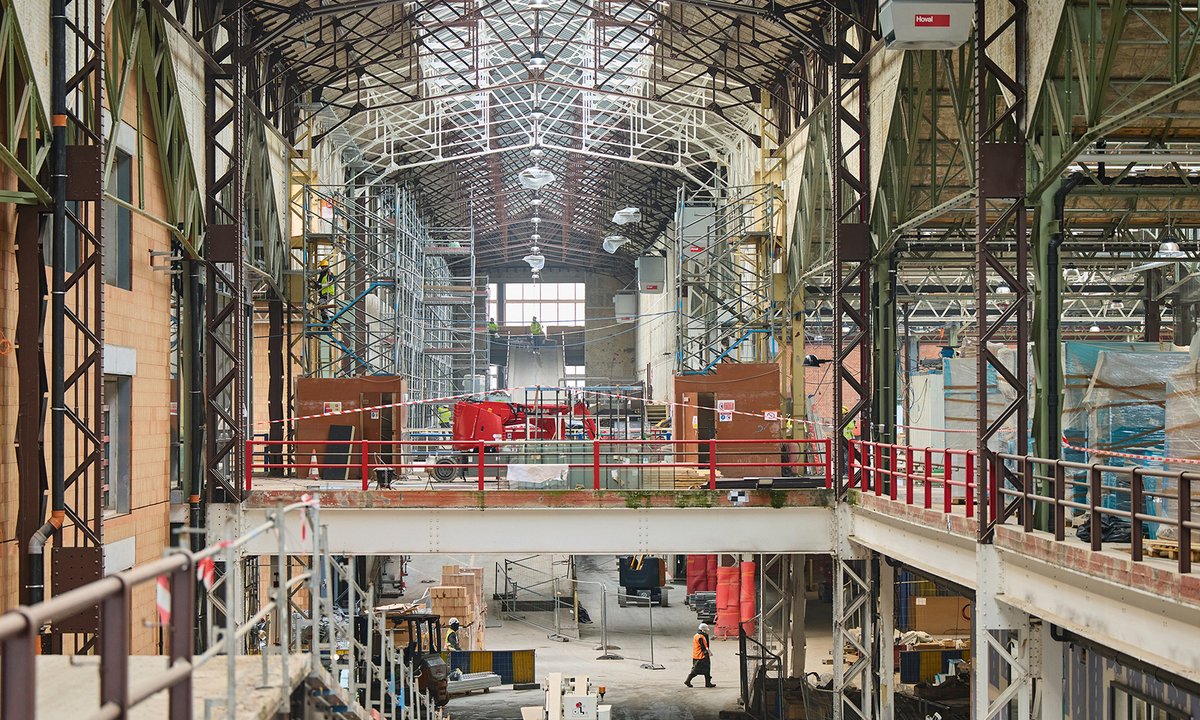
Brussels' flagship museum of modern and contemporary art is due to open its doors on 28 November 2026, yet the financial ground beneath it is shifting. The Brussels regional government, led by minister-president Boris Dilliès, has confirmed it will support the inauguration of Kanal, the vast institution taking shape inside the former Citroën garage on the canal. But after that, the museum will have to learn to stand on its own feet: its annual public operating subsidy is projected to fall from €28 million in 2026 to just €10 million by 2029, with interim steps of €24 million in 2027 and €22 million in 2028. The trajectory marks a dramatic retreat from the original promise of €35 million a year. A government spokesman, Christophe Degreef, told The Art Newspaper that after the opening, 'the next major hurdle will be changing the museum's funding model,' and that from 2028 Kanal will be expected to work increasingly with private investors before becoming financially self-sustaining. Construction alone has cost around €230 million, borne entirely by the Brussels-Capital Region. Critics have been unsparing. Benjamin Dalle, a member of the Brussels regional assembly, described Kanal as a top-down political project that should have begun with local artists and communities, questioning why Brussels needs a partner such as Paris's Centre Pompidou — with which Kanal has a deal paying the French institution €2 million a year until 2031 — when the capital is an hour and a half by train from Paris. The Fédération des arts plastiques, an artists' association, has urged the museum to end the Pompidou relationship immediately, raising questions about the place of Belgian artists in programming, acquisition policy, support for local and emerging practitioners, and accessibility for residents. The turbulence extends to leadership: Yves Goldstein, the director-general who carried the project for several years, will depart immediately after the opening weekend. In an underground gallery, Belgian multimedia artist Joëlle Tuerlinckx will create a commission inspired by the building process itself — a poetic counterpoint to a very political inauguration.