Profile·Global
Joel Sartore's Photo Ark passes 18,500 animal portraits in biodiversity mission
National Geographic photographer Joel Sartore has documented 18,567 animals over 20 years for his Photo Ark, aiming for 25,000+ species portraits against plain backgrounds to spur conservation, backed by a grants initiative launched in 2023.
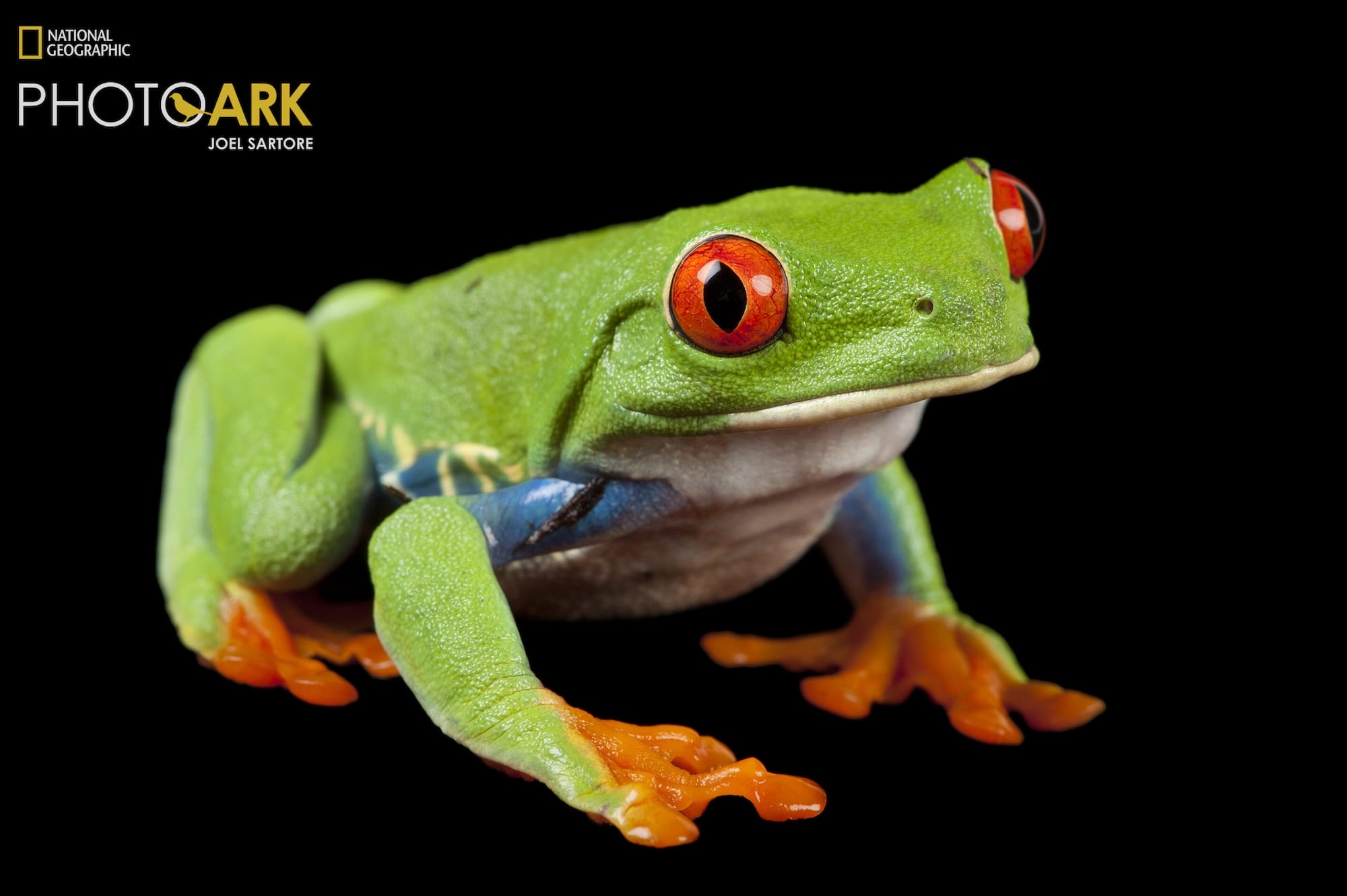
Twenty years ago, National Geographic photographer Joel Sartore set out from his hometown of Lincoln, Nebraska, with a deceptively simple mission: to photograph every species he could and build an archive of the planet's biodiversity. Working at a pace of roughly a thousand animals a year, he has now documented 18,567 creatures — from a springbok mantis at Auckland Zoo to an endangered baby Bornean orangutan in Houston — toward an ultimate goal of more than 25,000 species portraits. The project's signature is its visual consistency. Each animal is photographed against a plain black or white background in Sartore's mobile studio, a format that strips away habitat and context to leave only the creature's distinctive features and expression. Sartore argues that it is the eye contact that moves people, engaging compassion and a desire to help in a way that sweeping wildlife panoramas cannot. The archive now includes everything from ribboned pipefish to Florida panthers, alongside a cat species only recently discovered in Bolivia. The endeavor has grown well beyond photography. In 2023 Sartore launched the Photo Ark Species Impact Initiative, which awards grants to conservationists working to protect the animals in the archive. National Geographic has also turned the project into an all-ages educational program used in classrooms, publications and broadcasts, treating each animal, in the organization's words, with the same affection and respect regardless of size. Sartore's own summary of the mission is disarmingly direct: he wants people to care, to fall in love, and to take action. Two decades in, the Photo Ark stands as one of the most ambitious attempts to make biodiversity loss visible one portrait at a time.