Museum report·London
All Nine Surviving Van Eyck Portraits Reunite in London — and the Arnolfini Couple May Not Be Who We Thought
London's National Gallery opens Van Eyck: The Portraits on 21 November, gathering all nine surviving panel portraits by Jan van Eyck for the first time, alongside his only surviving drawing. The show revives a claim that the Arnolfini Portrait depicts the artist and his wife.
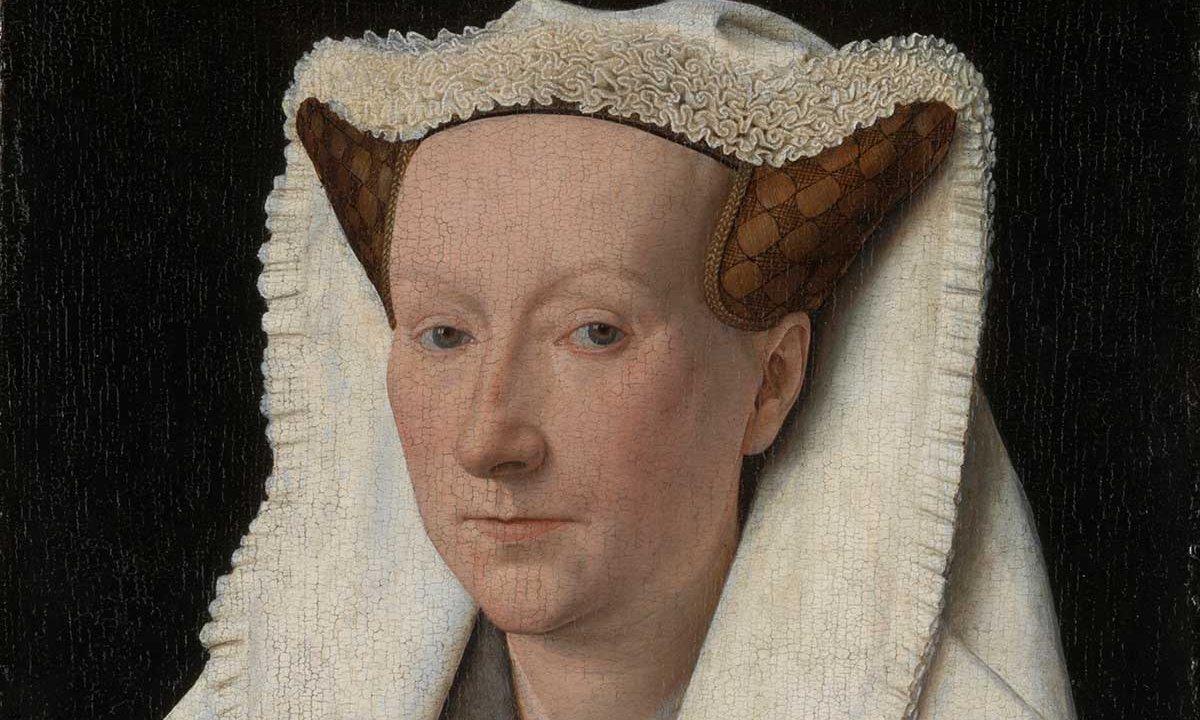
For the first time ever, every surviving portrait by Jan van Eyck will hang in a single room. The National Gallery in London opens Van Eyck: The Portraits on 21 November, bringing together all nine of the painter's surviving panel portraits plus his only known drawing, with three sheets by followers expanding the checklist to thirteen works. The gallery calls the gathering a once-in-a-lifetime event, and one it expects will never be repeated.
The nine portraits amount to roughly half of everything Van Eyck left behind. The sitters are merchants, craftsmen and members of the artist's own family, painted with a watchful attention to stubble, wrinkles and flushed cheeks that still startles six centuries on. Fresh conservation work has sharpened the encounter: the gallery's own Portrait of a Man, possibly a self-portrait from 1433, has been cleaned, and it will be shown beside the 1439 portrait of the artist's wife Margaret, lent from Bruges, where Van Eyck worked as court painter to Philip the Good.
The most talked-about pairing reunites the Arnolfini Portrait of 1434 with a Berlin portrait of around 1435 to 1438 that is thought to show the same man, Giovanni Arnolfini. The two pictures have never been displayed together. A new catalogue essay by Stephan Kemperdick goes further, reviving the theory that the famous couple in the London painting are not the Italian merchant and his wife at all, but Van Eyck himself and Margaret.
The show is built around comparison. With the scattered portraits finally side by side, scholars can study Van Eyck's technique directly, from the earliest formal sitting portrait in European art, a likeness of around 1438, to the devotional works that fall outside the show's scope. The exhibition runs until 11 April 2027, and curators Emma Capron and Nicholas Flory present it as the culmination of years of research into an artist who left barely twenty paintings in total.