Museum report·Rome
Italy moves to create its first panel for Nazi-looted art, eight decades on
Italy's parliament is examining a bill that would establish a five-member committee to rule on restitution of art and cultural property seized from victims of racial persecution between 1933 and 1945, bringing Italy into line with other European countries for the first time.
Italy's parliament is weighing legislation that would, for the first time, give the country a formal route for returning art and cultural property seized from victims of racial persecution during the Holocaust era. The proposal, now before the lower house's culture committee, would empower the government to set up a five-member panel to examine provenance and rule on individual cases. Where no living heirs can be found, works could be returned to the wider Jewish community in Italy.
The bill covers property confiscated, looted or sold under duress as a result of racial persecution between 1933 and 1945. It was introduced in March by Federico Mollicone, a leading ally of prime minister Giorgia Meloni who chairs the lower house culture commission, and would bring Italy into line with Germany, Austria, France, the Netherlands, Britain and Switzerland, which already have such mechanisms. If passed, the government would have six months to put the system in place, and the panel would have to decide each claim within 180 days.
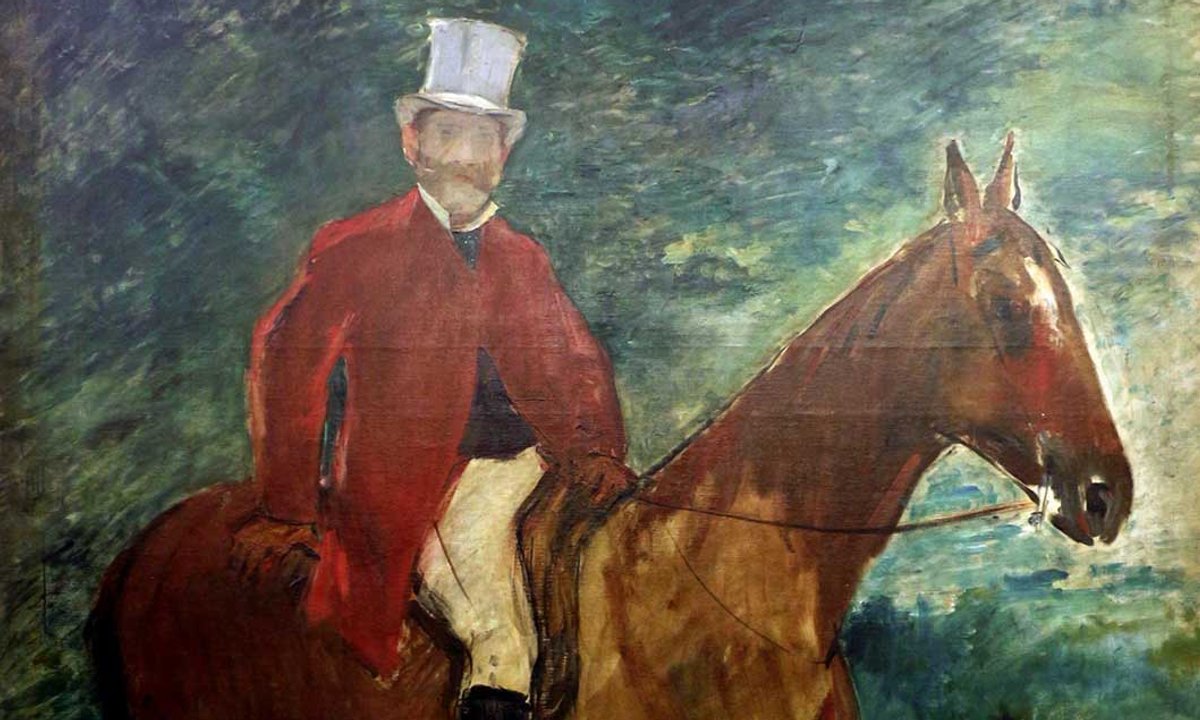
Supporters say the reform is long overdue. A 2001 inquiry led by former minister Tina Anselmi found evidence of 7,847 seizure warrants issued up to April 1945, covering houses, businesses, bank deposits, jewellery, paintings and furniture. Yet only a handful of disputed works in Italian public collections are publicly known, among them a Manet portrait in Milan and a Girolamo da Romano painting bought by the Pinacoteca di Brera in 1998. Experts believe the true number held by museums is closer to dozens, blamed on poor cataloguing and reluctance to confront the fascist past.
The bill also tackles the legal obstacles to returns. Works in Italian museums are treated as inalienable national heritage, but a restitution decision would automatically remove a work from the public domain, and existing time limits would not stand in the way. Claims could come from owners, heirs and the Union of Italian Jewish Communities, with an art-police nominee on the panel. Mollicone predicts a smooth passage given broad political agreement, aiming to finish the reform within this parliament.