Museum report·Rome
Italy Moves Toward Its First Law to Return Art Looted Under Fascism
Italy's Chamber of Deputies is reviewing Bill 2834, which would create the country's first formal process for returning art and cultural property looted under the Fascist racial laws and during the Holocaust.
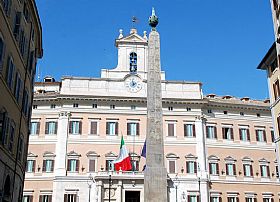
Italy has taken a step toward creating its first formal legal process for returning art and cultural property looted during the Fascist era and the Holocaust, with a bill now under review in the Chamber of Deputies. Bill 2834 is being examined by the Committee on Culture, Science and Education, and it would give claimants a defined route to seek the return of works taken under the racial laws introduced in 1938 and during the Holocaust years of 1933 to 1945.
Until now, Italy has had no dedicated framework for such claims, leaving families and institutions to pursue restitution through ad hoc negotiations or the courts. The bill would change that by setting out how claims are assessed and how returns are handled, bringing Italy closer to countries such as Germany, Austria and the Netherlands, which have established restitution procedures.
The measure matters because Italy was both a centre of the art trade and a place where Jewish families lost collections, businesses and property under persecution. Many of those works later entered museums and private collections, and their ownership histories have often been difficult to untangle. A formal process would give claimants a clearer path and put pressure on holders to examine their own collections.
The bill is still at committee stage, and its final form may change as it moves through parliament. But its progress is already being watched by restitution specialists, who see it as a long-overdue recognition that Italy's reckoning with looted art has lagged behind that of its neighbours.