Museum report·Liverpool
Slavery Museum Welcomes PM's Openness to a Formal Apology
The International Slavery Museum has welcomed Prime Minister Andy Burnham's Guardian article signalling the government is open to a formal apology for Britain's role in the transatlantic slave trade, while ruling out financial reparations.
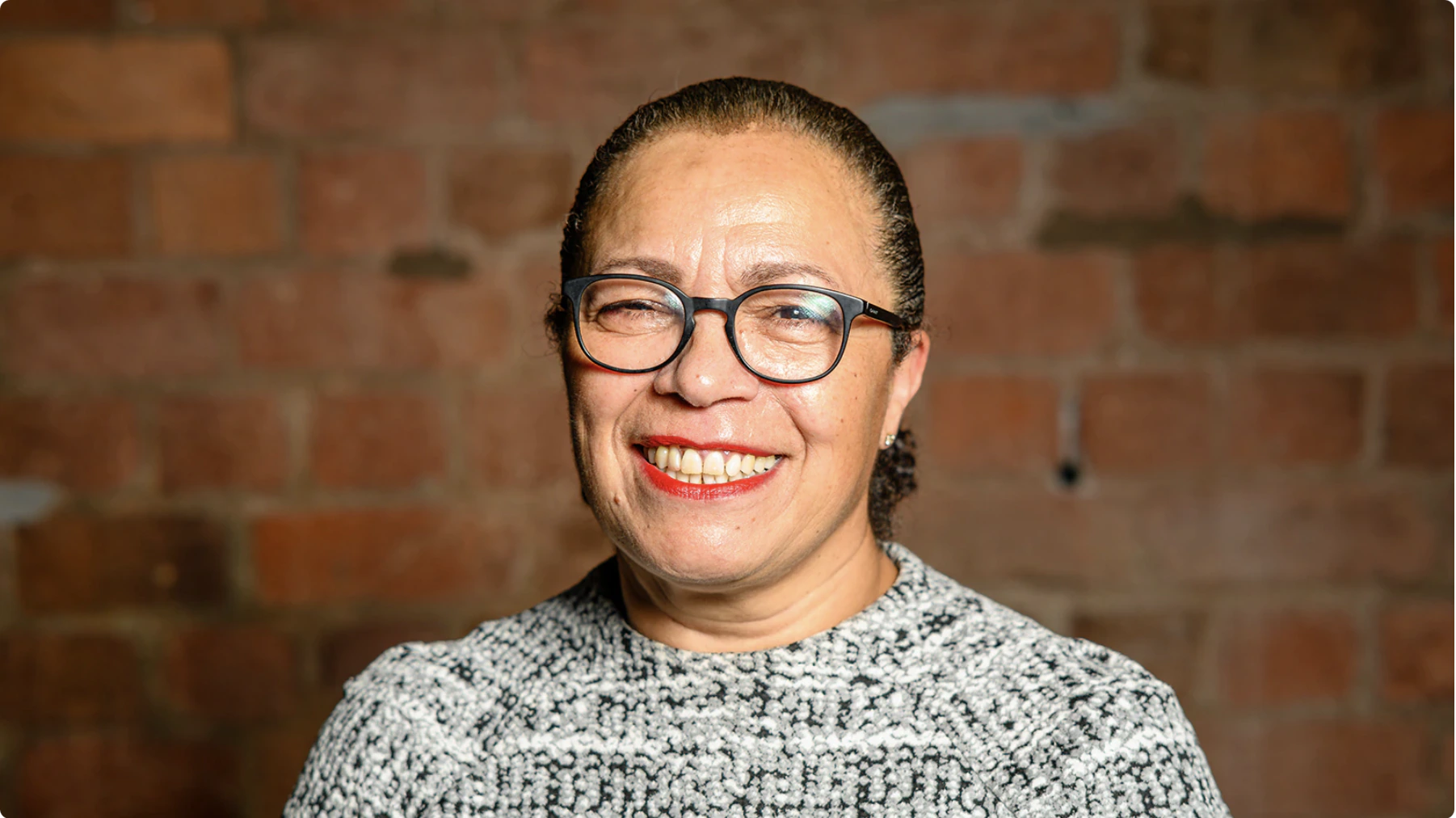
The International Slavery Museum in Liverpool has welcomed comments by Prime Minister Andy Burnham signalling that the UK government is open to offering a formal apology for its role in the transatlantic slave trade. Burnham wrote in the Guardian that his government was offering a structured dialogue with those affected by the trade, and that listening to calls for a formal apology on behalf of the British state would form an important part of that process. He ruled out the payment of financial reparations.
Michelle Charters, the head of the museum, which is part of National Museums Liverpool, said a formal apology would represent an important and long-awaited step toward acknowledging Britain's historic responsibility and recognising the lasting harm caused by slavery and colonialism. She said the legacies of transatlantic slavery and Britain's colonial past, histories in which Liverpool played a central role, continue to shape lives, communities and inequalities around the world today.
Although UK leaders have previously expressed deep sorrow and regret over the trade, their statements have stopped short of an official apology. Charters said the museum supported the principles of reparative justice but believed meaningful acknowledgement must extend beyond a formal statement, and she pointed to the museum's own work in amplifying the voices of communities historically harmed by slavery.
The museum is currently closed for a multi-million-pound redevelopment as part of National Museums Liverpool's £100 million Waterfront Transformation Project, which also includes the redevelopment of the adjoining Maritime Museum. The project covers 14,400 square metres across two Grade I-listed buildings, the Hartley Pavilion and the Dr Martin Luther King Jr. Building, with architectural redesign by Feilden Clegg Bradley Studios and exhibition design by Ralph Appelbaum Associates. It is scheduled for completion in 2029.