Museum report·Cerro Azul
Built to Terrify Sailors: Inca Cliff Fortress at El Huarco Was a Warning Seen Only from the Sea
Archaeologists working at El Huarco, on the desert cliffs of Cerro Azul in Peru, have found that a 15th-century Inca structure was designed to be seen from the ocean, a monumental warning to enemies approaching by sea, while divers offshore have recovered submerged walls and artefacts.
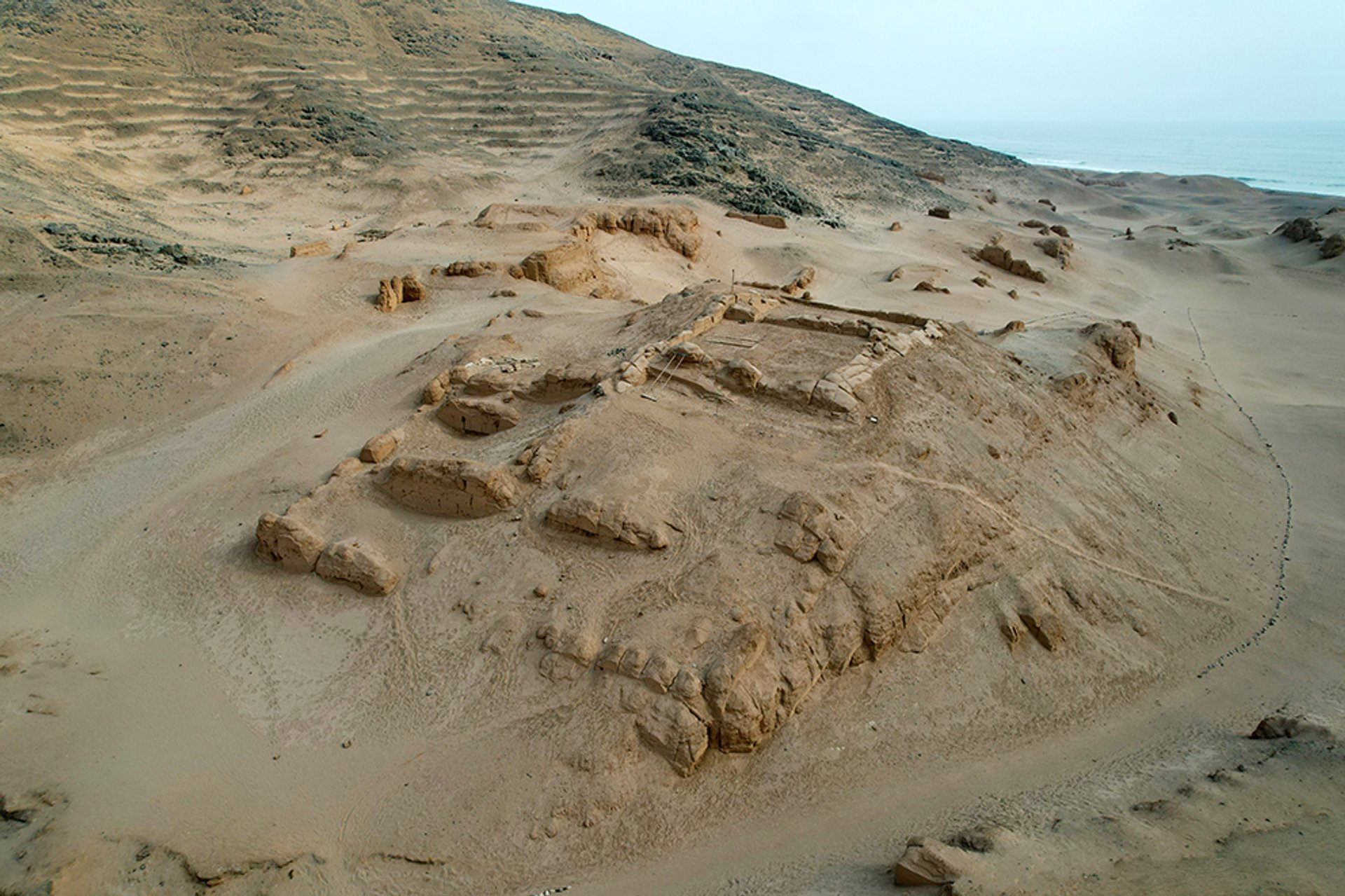
On the desert cliffs of Cerro Azul, about 170 kilometres south of Lima, archaeologists have found that an imposing Inca structure built in the 15th century was designed to be seen from the sea, not from land: visual propaganda meant to intimidate enemies approaching by water and to overwrite the history of the people the Inca had conquered.
Recent studies along the bluffs have identified 17 architectural elements, including walls and orderly lines of stone, evidence of how intensively the cliff face was reshaped. Archaeologist Rocio Villar Astigueta said the architecture was deliberately planned for viewers at sea, a political marker communicating the presence and power of the Inca Empire along the central coast and linking the site to the Qhapaq Nan, the Inca road system.
Before the Inca arrived, the lower Canete Valley belonged to the Huarco Confederation, master fishers and builders whose tapial walls of rammed earth and small sun-dried adobe bricks defined the landscape. The Spanish chronicler Pedro Cieza de Leon, writing in 1553, described the four-year war between the Inca and the Huarco as one of the most brutal chapters in pre-Hispanic Andean history.
According to the account, the Inca prevailed by trickery rather than force: the emperor's wife proposed a joint ritual fishing ceremony to honour the goddess of the sea, promising the Huarco recognition of their sovereignty. Once the Huarco had left their fortresses for ceremonial rafts, the hidden Inca army seized the valley and hanged the Huarco leaders and most of the inhabitants, then introduced finely fitted elite stonework comparable to the palaces of Cuzco into a landscape previously built entirely of earth.
Divers working below the cliffs, tipped off by local fishers who spotted strange shapes beneath the waves, have found submerged stone walls from the coastal settlement, along with Inca artefacts linked to early navigation and fishing, including a ceramic sculpture. Many finds are now held at the Municipal Museum of Cerro Azul, whose collection comes entirely from objects handed in by residents. Peru's culture ministry is using the findings to support a bid for Cultural Heritage of the Nation status.