Museum report·Washington
Hirshhorn Sculpture Garden Reopens October 31 After Sugimoto Overhaul
Washington's Hirshhorn Sculpture Garden reopens October 31, 2026, after a sweeping redesign by artist-architect Hiroshi Sugimoto — the most significant rethinking of the garden since Gordon Bunshaft designed it more than fifty years ago.
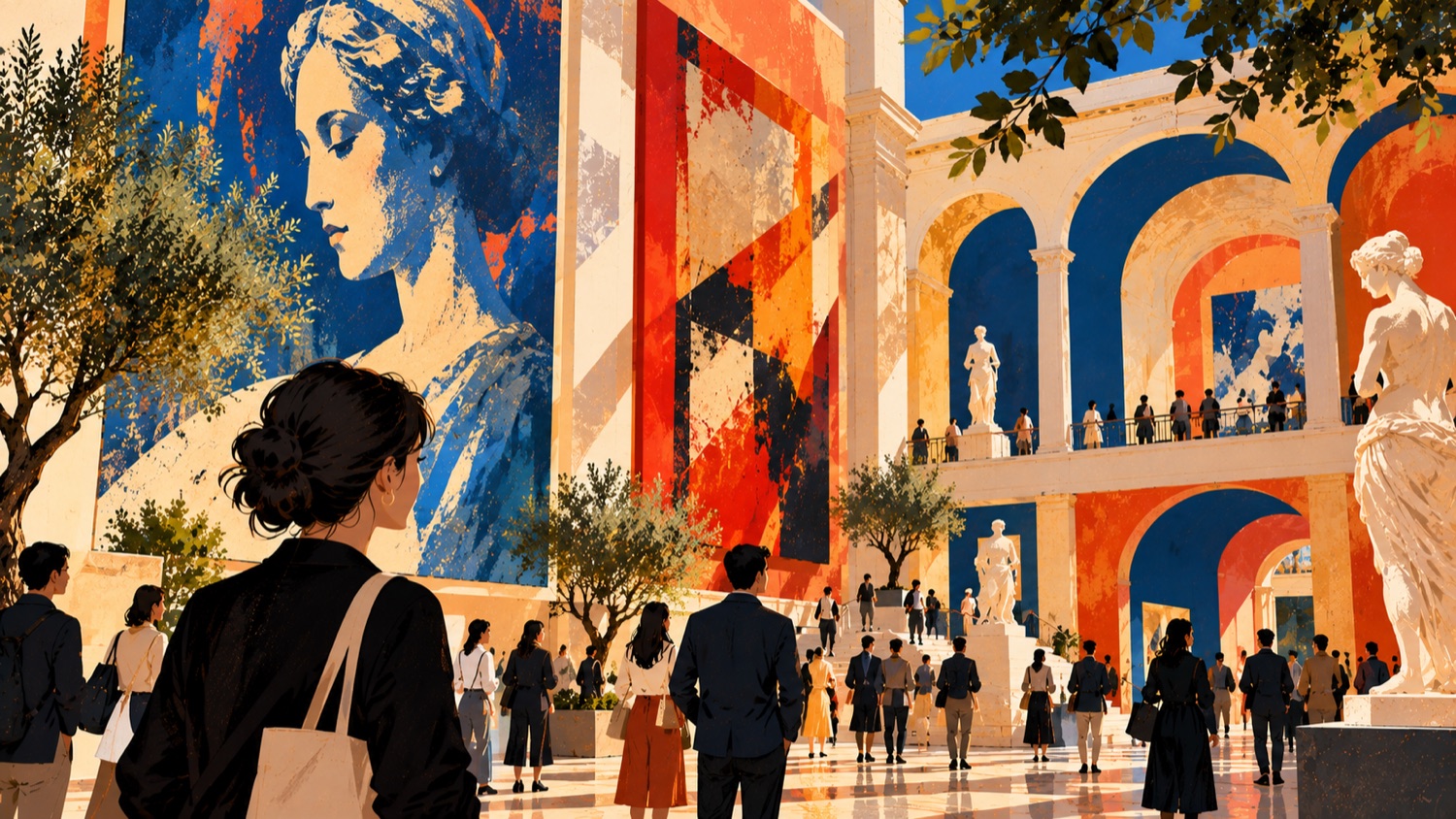
The Hirshhorn Museum and Sculpture Garden's sunken garden in Washington, DC, will reopen to the public on October 31, 2026, following a full reimagining of its landscape by Japanese artist and architect Hiroshi Sugimoto. The project is described as the most significant rethinking of the garden since American modernist architect Gordon Bunshaft conceived the museum's cylindrical building and its sunken sculpture court more than half a century ago. The garden first opened in 1974 as the outdoor counterpart to Bunshaft's drum-shaped museum. In 1981, landscape architect Lester Collins added lawns, trees, ramps and shaded areas, softening the modernist plan. Sugimoto's intervention keeps the essential character of that campus intact while opening the landscape up — a more varied, flexible setting intended to serve the museum's modern and contemporary sculpture collection rather than simply frame it. At the heart of the design is a series of monumental stacked stone walls that divide the grounds into distinct but connected spaces: the East and Central Gardens and the West Lawn. The stone sets an elemental counterpoint to Bunshaft's concrete and gives the sculpture a restrained backdrop spanning more than a century of art-making. Sugimoto, who previously redesigned the museum's lobby, brings an artist's eye to questions of circulation, light and pause. The reworked garden lets the Hirshhorn show about 50 percent more work outdoors. Some 24 major sculptures from Joseph H. Hirshhorn's Foundational Gift return to view — including pieces by Auguste Rodin, Henri Matisse, Henry Moore, Alberto Giacometti and Barbara Hepworth — presented in dialogue with living artists and new commissions rather than arranged as a chronological survey.