Market dispatch·Dallas
$648,331 for Heritage's Ethnographic Sale, Led by Tammy Garcia's Double-Sided Pueblo Sculpture
Heritage Auctions' 6 November ethnographic sale in Dallas realised $648,331, led by a carved polychrome pottery sculpture by Santa Clara Pueblo artist Tammy Garcia, alongside historic Native American basketry and Pre-Columbian gold.
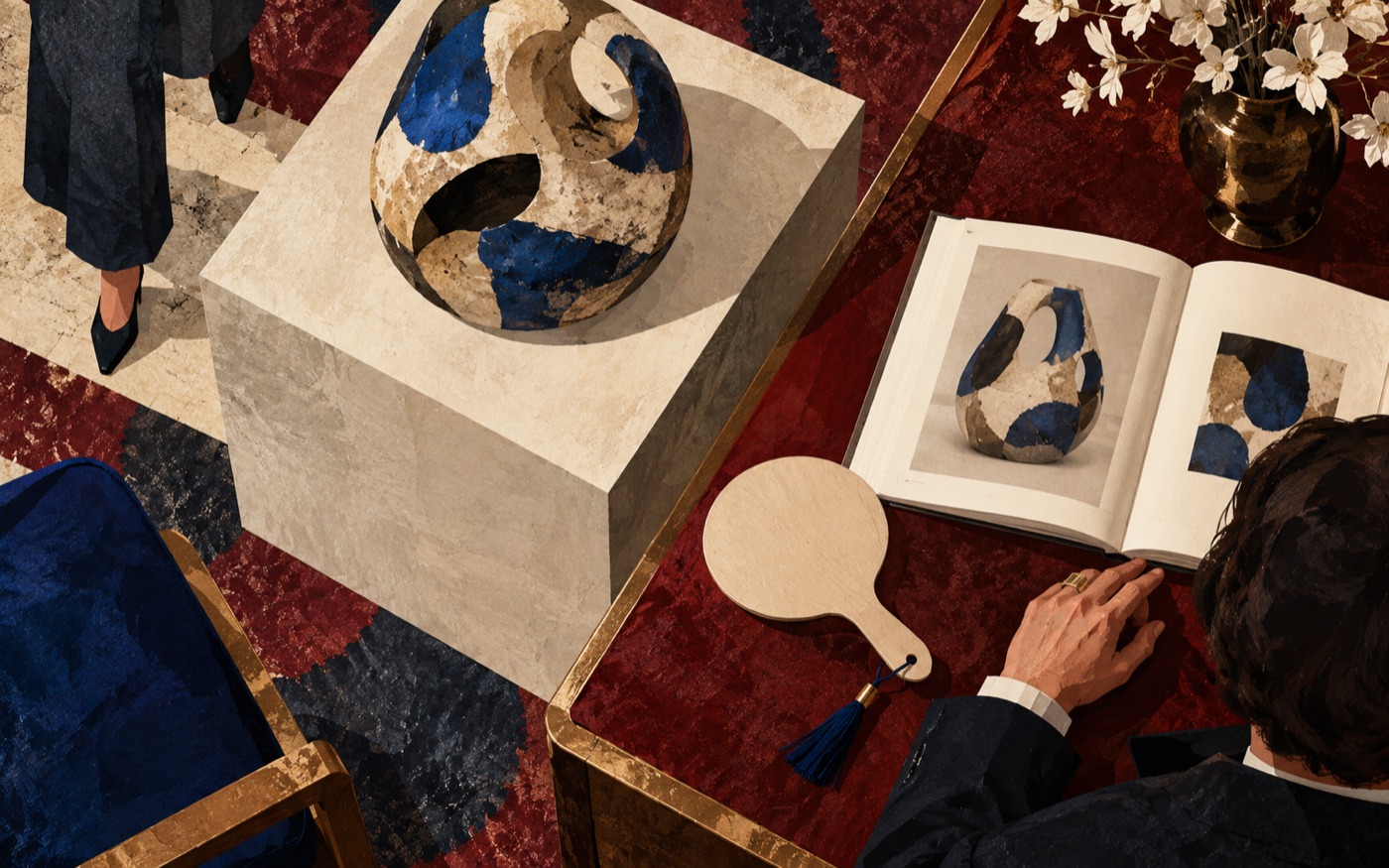
Heritage Auctions' Ethnographic Art: American Indian, Pre-Columbian and Tribal sale in Dallas on 6 November realised $648,331. One of the top results was a Santa Clara Pueblo carved polychrome pottery sculpture by Tammy Garcia, born in 1969. The circa 2003 sculpture, nine and three-quarter inches tall, was signed, dated and inscribed on the underside, and depicts a woman on one side and an antlered man on the opposite side.
Historic Native American basketry was a strong thread through the sale. A three-rod degikup polychrome coiled basket with designs in redbud and bracken fern root by the famed Washoe weaver Scees Bryant was among the highlights, and the sale also featured work by Yokuts weavers Mary Dick Topino, better known as Mrs. Britches, and Louisa, known as Mrs. Dick Francisco, both renowned for polychrome friendship baskets and spring dance bowls made with traditional materials.
The Pre-Columbian and tribal sections ranged widely. Among the standouts were a finely shaped tumbaga shaman-figure pendant and a Colombian Quimbaya gold pendant depicting a human head in the characteristic style of Quimbaya goldwork. From Africa came a Chokwe Chihongo mask, worn to represent wealth and authority, and monumental Bwa plank masks, including a butterfly mask more than nine feet tall retaining its red, white and black pigmentation. An Eastern Woodlands pipe tomahawk from around 1800, inlaid with a moon on one side and a sun on the other, was likely an important presentation piece.
The sale was one of two ethnographic auctions Heritage staged in Dallas that day, the other offering property from an important New York collection. Together they covered baskets, pottery, jewellery, textiles and ceremonial objects from indigenous and ancient peoples around the world, and the result underlines steady demand for the category even as the wider art market stays selective.