Museum report·Rio de Janeiro
After 150 Years at Harvard, the Remains of Two Enslaved People Return to Brazil
Brazil has received the remains of two people of African descent taken in the nineteenth century and held for over 150 years in Harvard-linked collections. Ceremonies in Rio de Janeiro and Salvador on 11 November marked the return after a four-year campaign; the remains will not be displayed and will be buried with funeral rites once research is complete.
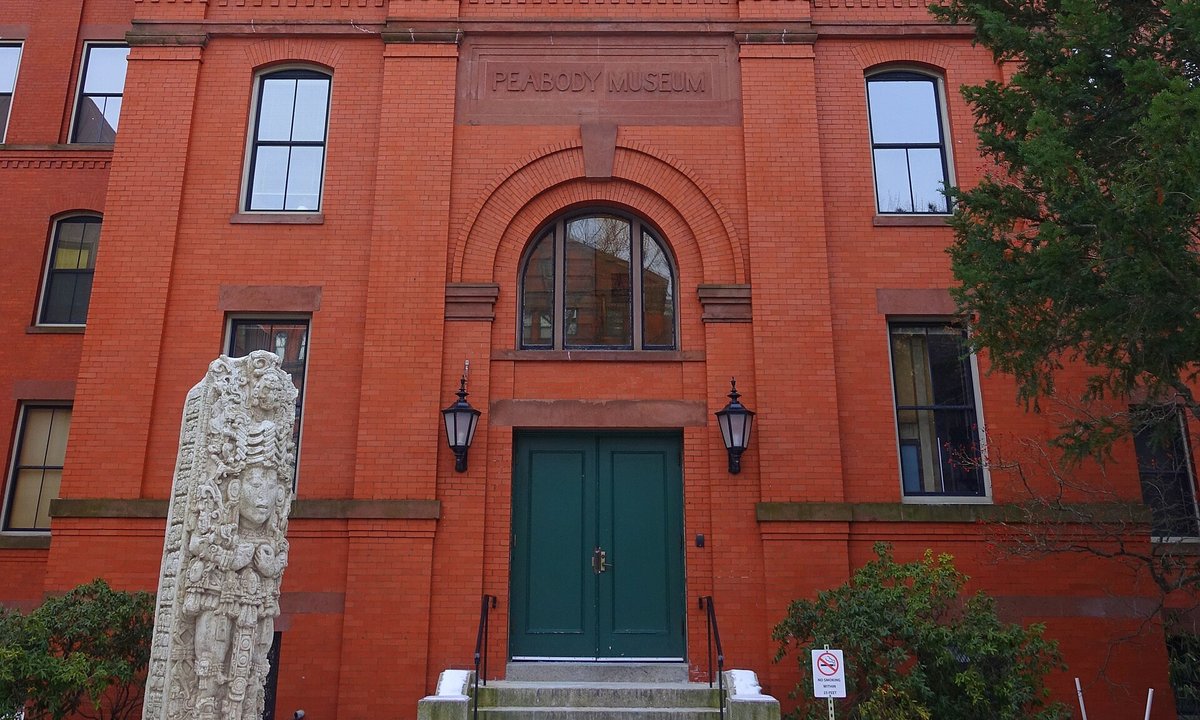
Brazil has received the remains of two people of African descent taken from the country in the nineteenth century and held for more than 150 years in collections linked to Harvard University. Ceremonies in Rio de Janeiro and Salvador on 11 November marked the return, the result of a four-year campaign by Brazilian researchers, community groups and the government.
One set of remains is the skull of an adult woman, held at Harvard's Peabody Museum since 1870 after transfer from the Museum of Comparative Zoology. Records say it was obtained by Walter Hunnewell, a Harvard graduate who travelled with the naturalist Louis Agassiz on an expedition to Brazil in 1865-66, and described as having been exhumed in the streets of Rio de Janeiro. It may have come from the Cemiterio dos Pretos Novos, a burial ground for enslaved Africans who died after arriving in Brazil. The Museu Nacional in Rio will hold it in temporary custody; it will not be displayed or used for research while further work establishes the woman's origins.
The second skull, taken from Salvador about 190 years ago, is believed to have belonged to a man who may have taken part in the Male uprising of 1835, the largest urban slave revolt in Brazilian history. It passed through several American institutions, reaching the Peabody in 1959. The Islamic Cultural Center of Bahia, which led the campaign, has named him Arakunrin, a Yoruba word meaning brother. The Federal University of Bahia received the remains in Salvador.
The return follows a 2022 Harvard report that documented thousands of human remains in its museum collections and prompted scrutiny of how they were acquired and studied. Brazilian officials say the skulls will not be displayed and no images of them will be released; once research is complete they will be buried with funeral rites.