Exhibition preview·New York
Before AARON, there was paint: Harold Cohen's early canvases return in New York
Gazelli Art House has opened its New York gallery's first solo show of Harold Cohen, gathering 17 paintings from 1962 to 1971 that trace the British artist's path from abstraction toward the computer art program AARON.
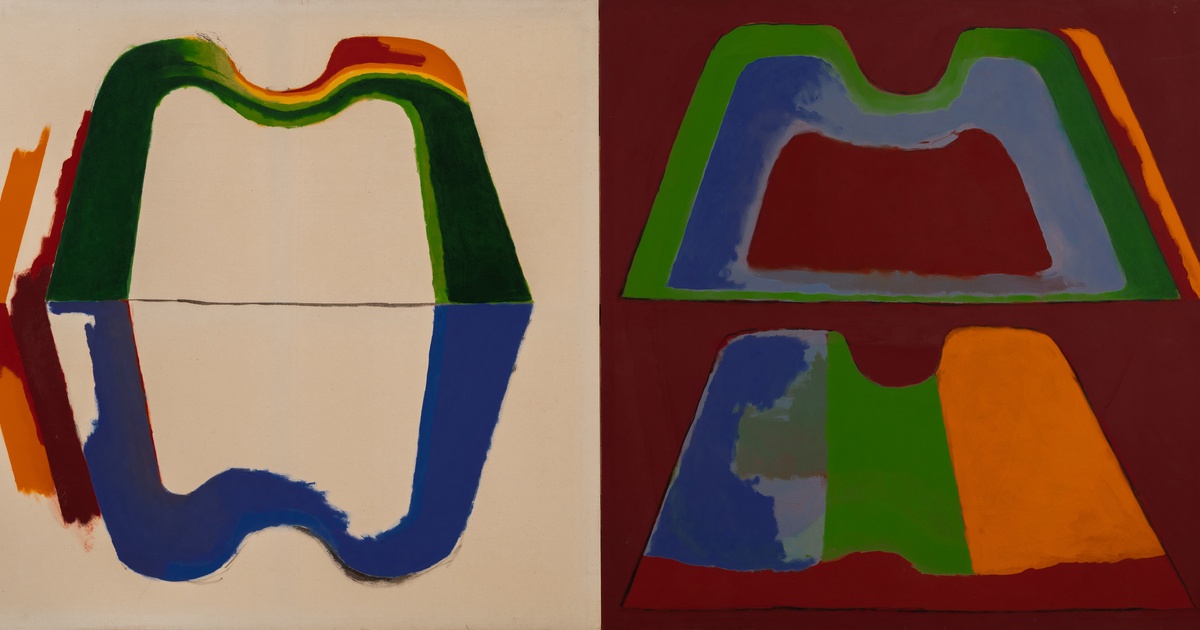
Long before Harold Cohen became known as a pioneer of computer art, he was a painter wrestling with representation. A new exhibition at Gazelli Art House in New York, the first solo presentation of his work at the gallery's New York location, brings together 17 paintings made between 1962 and 1971, a decade in which his practice moved from abstraction toward the figurative and computational concerns that would define his later career.
The show, Painting About Representation (1962–71), opened on 12 November and runs until 9 January 2027. It revisits a transformative period for Cohen, who was born in 1928 and died in 2016. The works on view include Pastoral, painted in 1965, and they chart how the artist's thinking about image-making evolved in the years before he began developing AARON, the autonomous drawing program he worked on for decades.
Cohen's later career made him one of the most discussed figures in the history of art and technology, but the exhibition argues that the questions behind AARON were already present in the paintings: how an image is constructed, what a mark means, and how a machine — or a painter — decides what to draw.
The presentation follows Gazelli Art House's launch of its New York space earlier this autumn with an inaugural group exhibition, and it continues the gallery's programme of shows that connect historical figures with contemporary debates about art and technology. In a year when questions about machine-made images are again at the centre of art-world argument, the exhibition offers a reminder that those questions are not new — and that one of the first artists to ask them seriously did so with a brush before he ever wrote a line of code.