Museum report·Paris
Forgotten Collector Who Backed Van Gogh and Gauguin Gets First Major Paris Show
The Fondation Louis Vuitton has opened 'Gustave Fayet, collectionneur-créateur. Icônes de l'art moderne' (9 October–8 March 2027), reuniting 250+ works from the visionary collector's dispersed holdings with 375 of his own creations. Loans from 64 institutions and 71 private collections include 10 Van Goghs, 78 Gauguins and 88 Redons.
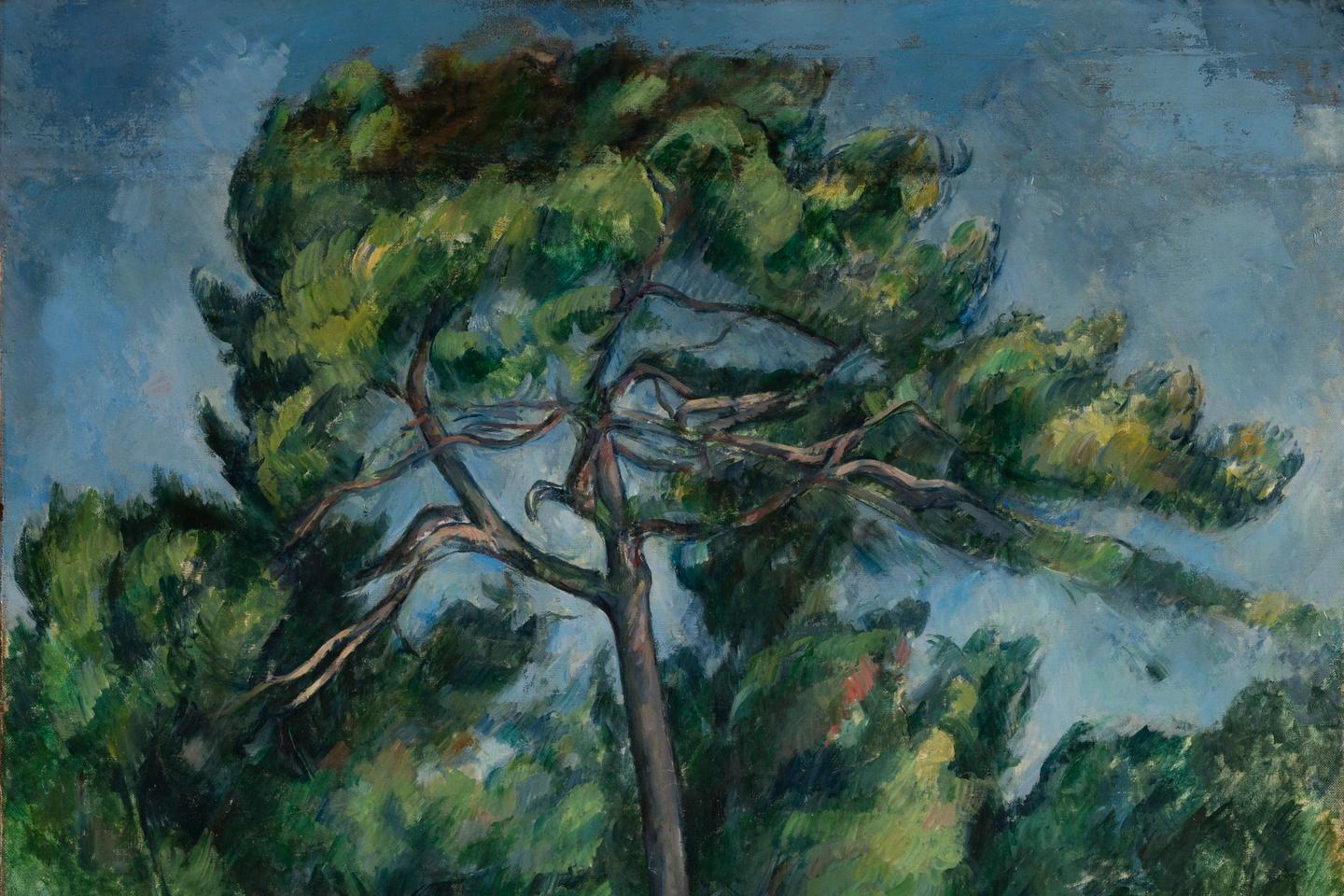
The Fondation Louis Vuitton in Paris has opened the first major exhibition devoted to Gustave Fayet, the French wine entrepreneur whose prescient collecting bankrolled the avant-garde — and whose own art has been largely forgotten. 'Gustave Fayet, collectionneur-créateur. Icônes de l'art moderne,' which opened on 9 October and runs until 8 March 2027, reunites more than 250 works from a collection scattered across the globe for a century, alongside 375 of Fayet's own creations, most of them never previously exhibited. The scale of the loans is striking: 64 international institutions and 71 private collections have contributed. The checklist reads as a pantheon of early modernism — ten paintings by Vincent van Gogh, 78 works by Paul Gauguin, 88 by Odilon Redon, plus Degas, Cézanne, Toulouse-Lautrec, Renoir, Morisot, Signac, Bonnard, Vuillard and Matisse. For the first time in France, three versions of Gauguin's Yellow Christ hang together, and Redon's monumental panels for the library of Fontfroide Abbey — Le Jour, La Nuit and Le Silence — are shown to the public for the first time. Fayet (1865–1925), heir to a Béziers wine fortune, bought the ruined Cistercian abbey of Fontfroide in 1908 and remade it as a total work of art, commissioning stained glass and decoration from the artists he championed. But the exhibition's second half argues he was more than a patron: his ceramics, carpets, watercolors on blotting paper and illustrated books reveal a prolific creator in his own right, newly restored for the occasion. The staging is by opera director Robert Carsen, with general curatorship by Sylvie Patry of the Musée d'Orsay and associate curator Angeline Scherf of the Fondation. The show continues the Fondation's 'Icons of Modern Art' series, which previously celebrated Sergei Shchukin, the Morozov brothers and Samuel Courtauld — placing Fayet, at last, in the company of the great early-modern collectors.