Museum report·Katonah
An 800-Work Trove of Contemporary Native Art Gets a Public Home in Katonah This November
Branchline, the new Hudson Valley exhibition space of the Gochman Family Collection, opens on November 6 in Katonah, New York, giving a permanent, free-to-visit public home to one of the largest holdings of contemporary Indigenous art anywhere.
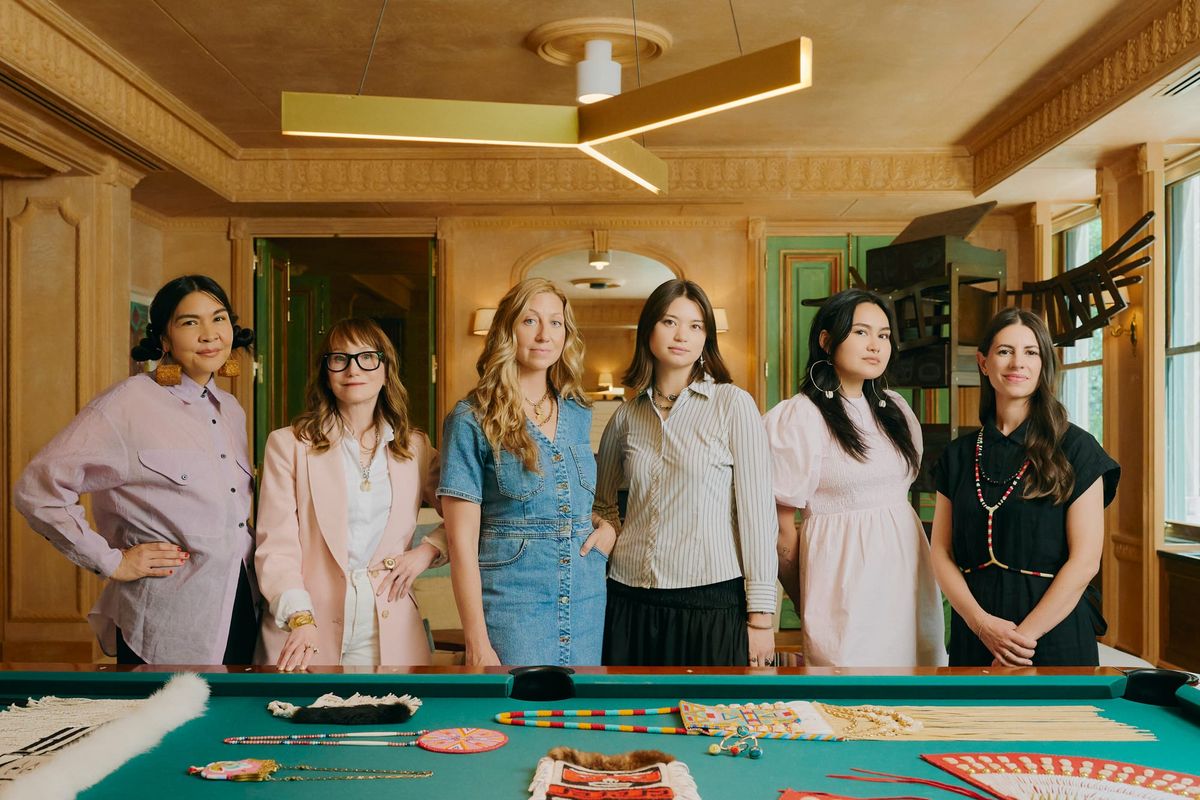
One of the world's largest collections of contemporary Indigenous art is about to get a permanent public home. Branchline, the new exhibition space of the Gochman Family Collection, opens on November 6 in Katonah, New York, about an hour north of Manhattan. The collection, assembled by Becky and David Gochman since 2021, holds more than 800 works by contemporary Native artists — a trove that until now has mostly lived in the couple's Upper East Side home or travelled on loan to museums. The name Branchline nods both to the railway branch lines connecting Katonah to New York City and to the branching artistic and ancestral lineages informing the featured art. The campus comprises three structures renovated by Elizabeth Roberts Architects: the Main Gallery and the Annex, which open first, plus a Barn and a Sculpture Deck scheduled for next year. The space will be open to the public four days a week with free admission, and will also provide residential and studio spaces for artists. The inaugural exhibition, Line Break, draws on the collection's holdings with 18 artists, curated by assistant curator Moonoka Begay, who is Ndee and Diné, alongside collection associate Nicole van Brugge. The lineup includes Jeffrey Gibson, Jaune Quick-to-See Smith, Kay WalkingStick, Marie Watt, Emmi Whitehorse, Raven Chacon, Andrea Carlson, Teresa Baker, Sara Flores, Ishi Glinsky and George Morrison. The opening gives long-term visibility to a collection built rapidly and deliberately since 2021, arriving as museums and collectors alike reckon with how contemporary Native art is shown and contextualised. With artist residencies folded in, Branchline is pitched not just as a display venue but as a working site for exchange between artists, scholars, students and the local community.