Market dispatch·Abu Dhabi
Dealers Report Brisk Sales as First Frieze Abu Dhabi Closes Amid Regional Tensions
The inaugural Frieze Abu Dhabi, held 19-22 November at Manarat Al Saadiyat, drew strong sales across regional galleries despite geopolitical jitters, with several booths selling out or half-selling on opening day. The fair succeeds Abu Dhabi Art, which ran in the capital since 2007.
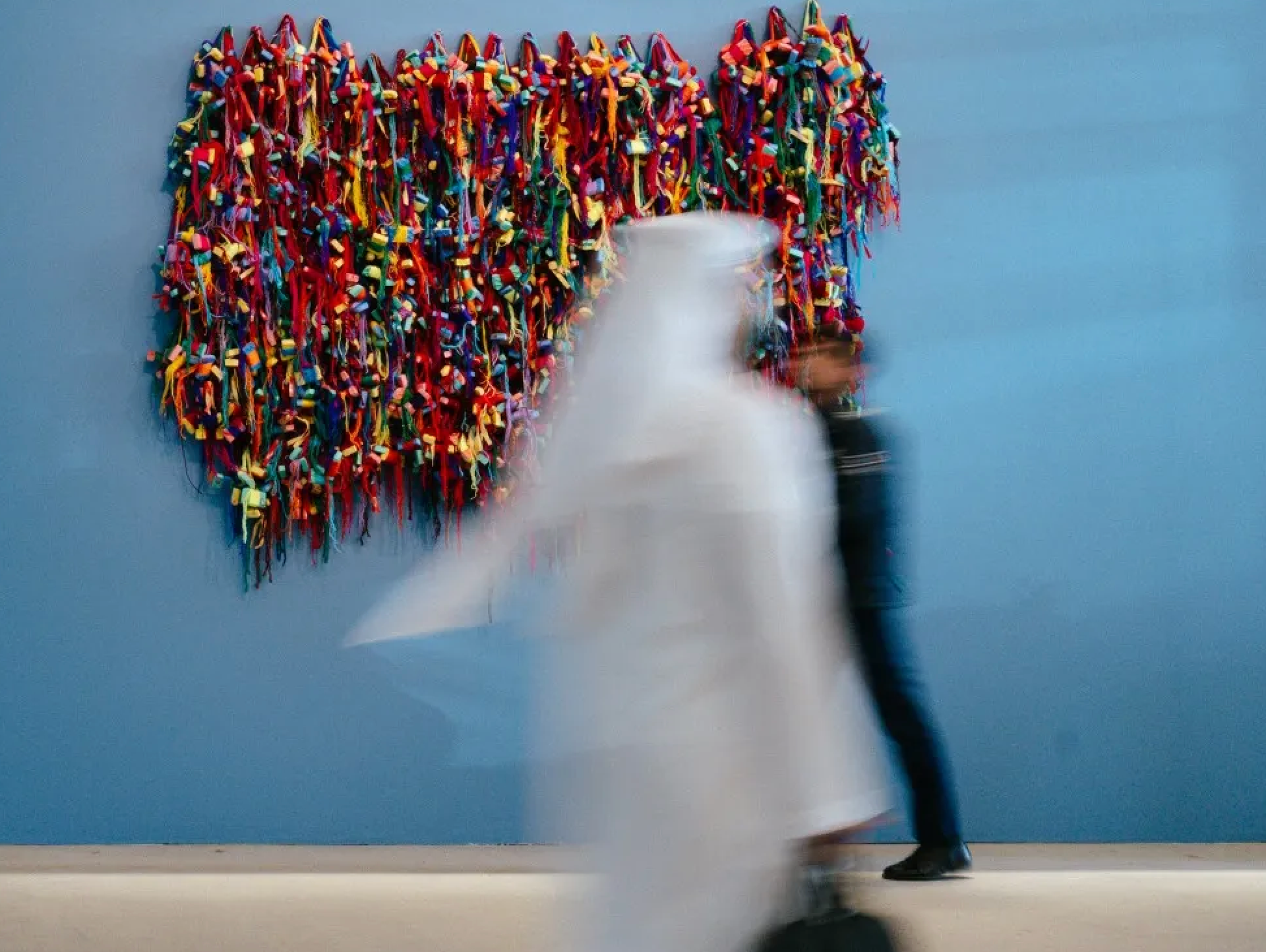
The inaugural Frieze Abu Dhabi, held from 19 to 22 November at Manarat Al Saadiyat, opened to strong sales and a buoyant mood, with galleries across the fair reporting brisk business. Dealers described a collegial mood, with buyers given room to reflect rather than being pressed to purchase.
The fair is the successor to Abu Dhabi Art, which has operated in the capital under various names since 2007, and is co-run by Frieze and the emirate's Department of Culture and Tourism. It mixes Abu Dhabi Art traditions, including a Ladies' Day for the city's sheikhas, with Frieze's tighter layout and selection. Taymour Grahne, whose gallery moved from New York to London and now Dubai, reported that mosaics by Palestinian artist Ala Younis had mostly sold by opening day.
Regional galleries dominated the sales reports. Cairo's Art Talks/Kanafani had sold about half its solo presentation of Egyptian surrealist Samir Rafi. Lawrie Shabibi sold out its marble inlay works by Hamra Abbas at $50,000 each, Zawyeh Gallery sold about half its collages by Gazan artist Mohammed Joha, and Tabari Artspace reported selling half its booth, including two early works by Gaza-born Hazem Harb. Among Western galleries, Pace offered fresh-to-market paintings by Indigenous Australian artist Emily Kame Kngwarreye priced between $80,000 and $750,000, though confirmed sales appeared slow, while Mayfair dealer David Aaron sold a 2,000-year-old alabaster funerary stele from what is now Yemen for a seven-figure sum.
The fair also drew new audiences, including tennis star Venus Williams and museum leaders such as LACMA's Michael Govan and the Singapore Art Museum's Eugene Tan. Many galleries reported selling to first-time buyers, among them newcomers to Abu Dhabi working in finance and technology and Russians who moved to the UAE after 2022. Regional instability hung over the event. The mood was buoyed by the imminent opening of Guggenheim Abu Dhabi next month after twenty years in the making, and by plans for two new cultural districts, Noma on Saadiyat and MiZa in Mina Zayed, intended to foster the independent commercial scene the city still lacks.