Market dispatch·Paris
Senator's Bill Would Let French State Tighten Its Grip on Privately Owned Art
A March 2026 Senate bill from Jacques Grosperrin would widen France's 'tresor national' designation to works by French artists regardless of age and extend the state's pre-emption rights to private deals outside auction houses. Critics say the move risks chilling the market for French art, pointing to blocked sales of a Rembrandt and a Caillebotte and to legal disputes over works such as Baldung Grien's Susanna Pfeffinger.
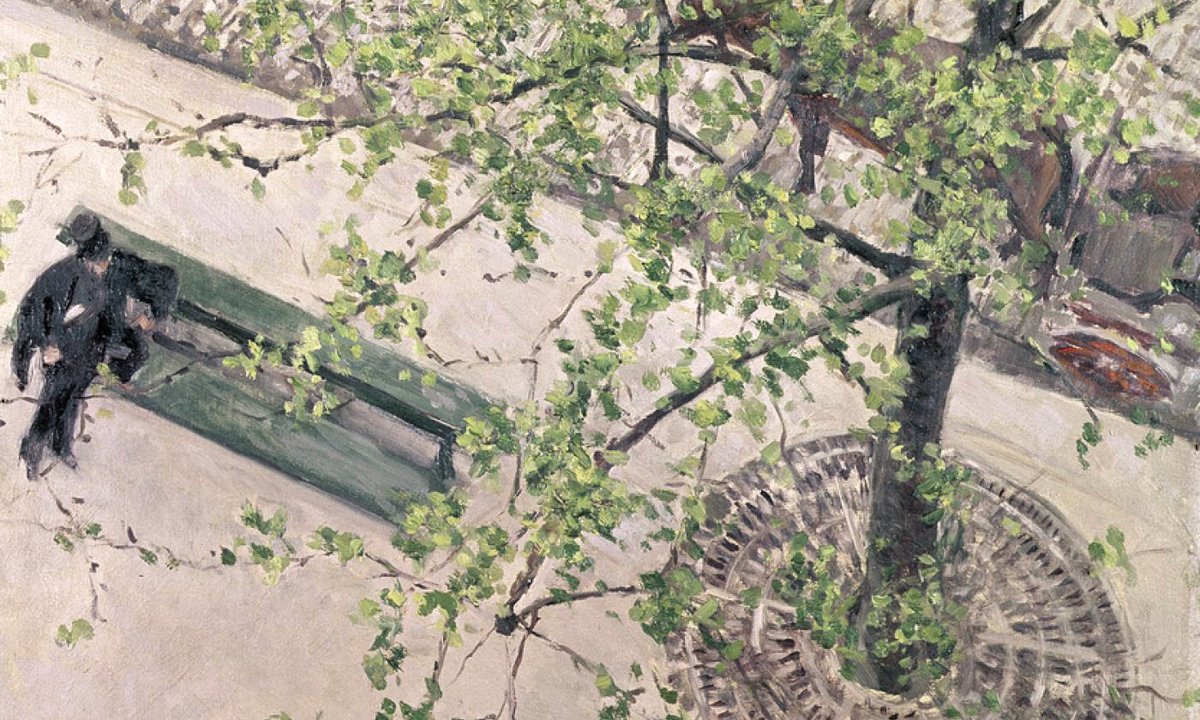
A bill introduced in the French Senate in March 2026 by Senator Jacques Grosperrin would substantially expand the state's authority over privately owned artworks, a measure that has so far drawn little attention from French art-law commentators. The proposal builds on the Code du patrimoine, the legal framework that defines a tresor national and gives the administration the power to refuse an export certificate for such a work without compensating the owner. Once a certificate is denied, the work is barred from leaving France for 30 months.
Grosperrin's bill would broaden the definition of a tresor national to encompass works by French artists regardless of their age, and would extend the state's pre-emption rights to private transactions conducted outside auction houses. Under current rules, the age threshold has kept contemporary work largely beyond the state's reach; the bill would remove that barrier, meaning the 30-month procedure applied to a Rembrandt could one day reach a living artist's most important sale.
The proposal arrives amid an increasingly active use of the designation. Gustave Caillebotte's Boulevard vu d'en haut (1880) was declared a tresor national in February 2026, blocking its export until August 2028, while Hans Baldung Grien's Portrait of Susanna Pfeffinger (1517) was withdrawn from a Drouot sale and classified in March 2026 despite no foreign buyer or attempted export, a decision that prompted considerable debate in legal circles. A 2019 attempt to keep Rembrandt's The Standard Bearer (1636) in France for 165 million euros ended with the state relinquishing its claim in 2021, and the painting left for the Rijksmuseum in Amsterdam.
Critics warn the change would warp the market: international buyers hesitate to bid on works they may never be able to export, and the president of Italy's Cambi Casa d'Aste has estimated export restrictions can cut a work's value by 70 to 80 percent. Rather than shielding national culture, the extension risks pushing collectors and galleries to avoid French artists altogether.


