Museum report·Paris
France Buys the Only Dubreuillosaurus in the World, Saving the 167-Million-Year-Old Fossil From Auction
The French government has bought the only known skeleton of Dubreuillosaurus valesdunensis, a 167-million-year-old dinosaur from Normandy, nine days before it was due to be auctioned at the Hôtel Drouot in Paris. The holotype will join the national collections of the Muséum national d'Histoire naturelle after a campaign by scientists and a petition signed by more than 4,500 people.
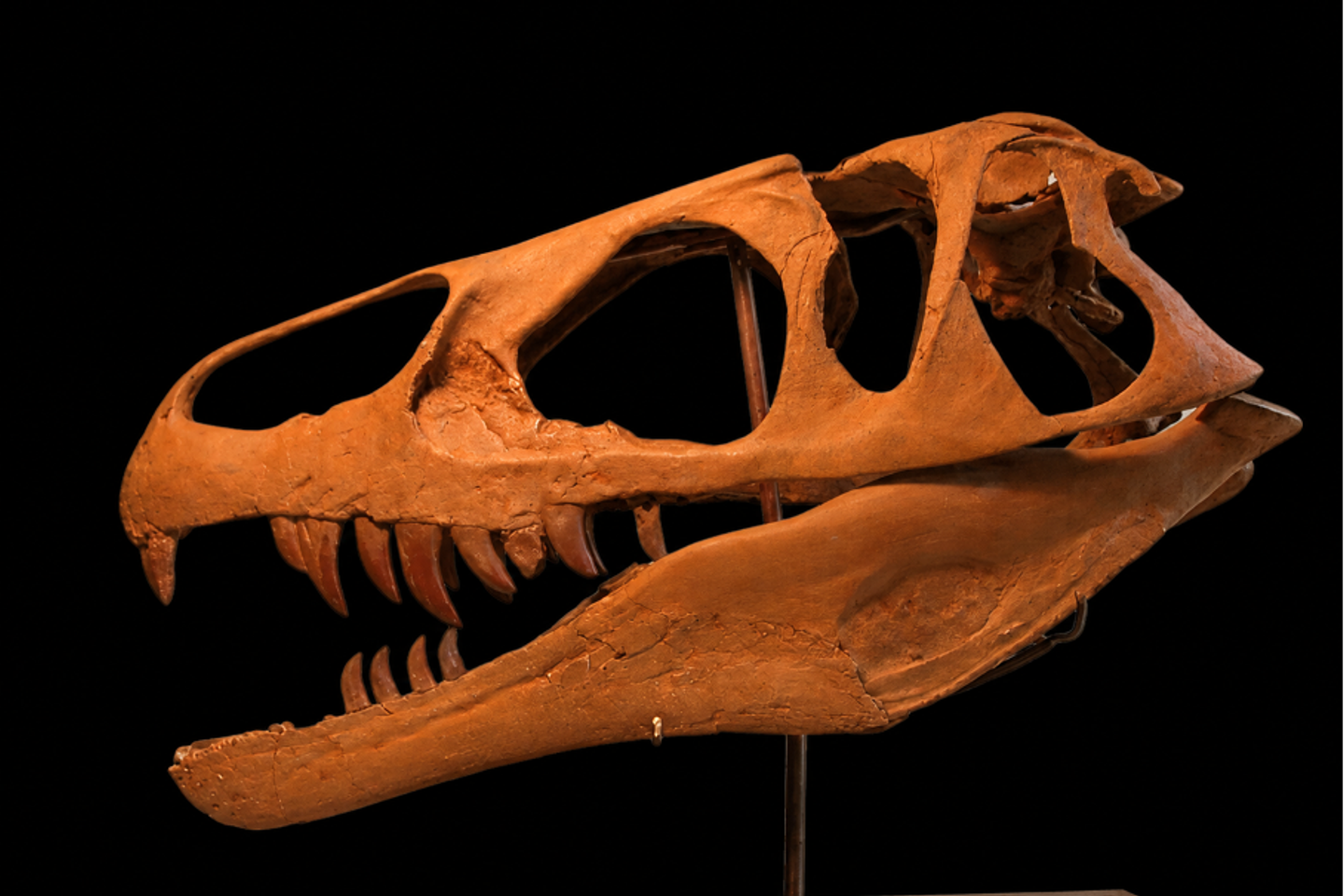
The French state has bought the only known skeleton of Dubreuillosaurus valesdunensis, a 167-million-year-old dinosaur from Normandy, pulling the fossil from an auction scheduled for 18 November at the Hôtel Drouot in Paris. The government announced the acquisition on 9 November, nine days before the sale. The specimen is the holotype, the single reference fossil that defines the species, and it will now join the national collections of the Muséum national d'Histoire naturelle (MNHN), where it becomes inalienable public property.
The planned sale had alarmed palaeontologists. When the Millon auction house announced the fossil in mid-October under the heading "A Landmark Auction", with an estimate of €250,000 to €350,000, researchers warned the reference specimen for a whole species could vanish. Marie-Béatrice Forel, head of palaeontology collections at the MNHN, said it could be lost to science, no longer open to researchers or visible to the public. A fundraising campaign opened, and a petition started by a Poitiers student, Mattéo Gagnaire, collected more than 4,500 signatures and 70,000 views.
The skeleton could be sold because of how it was found. André Dubreuil, then mayor of the Normandy village of Conteville, discovered the first remains on his own land in 1994, and palaeontologists Ronan Allain and Philippe Taquet excavated the rest from 1998. Allain described it as a new species in 2002 and created the genus Dubreuillosaurus in 2005, named for its discoverer and for Val-ès-Dunes. Shown at the Paléospace museum in Villers-sur-Mer from 2014, it stayed Dubreuil's private property, and after his death in 2024 his heirs could sell it. Unlike archaeological artefacts, fossils in France have no heritage protection.
The rescue came late. Auctioneer Isabelle Boudot de la Motte of Millon had prepared the sale for almost a year; the catalogue was already printed when officials contacted her about a private purchase, funded by a grant from the culture and higher education ministries. The price was not disclosed. Researchers now plan to catalogue the bones and study them with 3D and CT scans. Forel said the case showed the law must change so that such a situation never happens again.