Exhibition preview·Cambridge
Fitzwilliam Museum to trace enamel's journey from Europe to China
The Fitzwilliam Museum in Cambridge opens 'An Enamel Revolution: China and the World' on 20 October 2026, exploring how painted enamel technology travelled from Europe to China via Canton after 1684, with loans from the Art Museum of the Chinese University of Hong Kong.
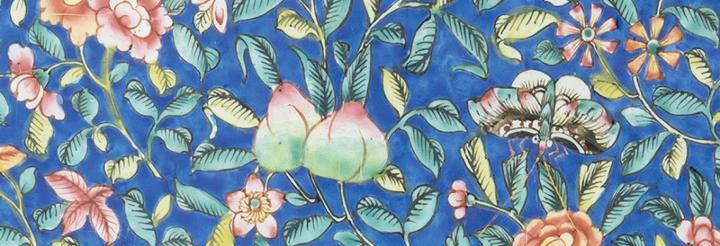
The Fitzwilliam Museum in Cambridge will open 'An Enamel Revolution: China and the World' on 20 October 2026, a display exploring the history of painted enamel in China and the cross-cultural exchanges that shaped it. Organised with the Art Museum of the Chinese University of Hong Kong, it runs until 21 February 2027, with the announcement published on 30 September. The show begins with the arrival of painted enamel technology in China in the late seventeenth century, brought through the southern port of Canton by missionaries, merchants and diplomatic envoys after the lifting of the maritime trade ban in 1684. Painted enamel on copper had been fashionable in Europe since the late fifteenth century — in Limoges and Nuremberg — for watch cases, miniature portraits and snuffboxes. The Kangxi, Yongzheng and Qianlong emperors were fascinated by the technique and set craftsmen in the imperial workshops of Beijing to master it, while Canton developed a commercial counterpart. The display brings together an exceptional group of painted enamel objects on loan from Hong Kong — many shown in the UK for the first time — alongside the Fitzwilliam's own holdings. Together they show how Chinese artisans adapted the technique to decorate porcelain, glass, silver and copper, from imperial palace pieces and diplomatic gifts to armorial enamels made for European aristocratic families and Benjarong-style wares for Southeast Asian markets. Tea and coffee services, candlesticks and tureens reflect eighteenth-century appetites for fashionable new beverages. Curated by Dr James Lin, the Fitzwilliam's senior curator of Chinese art, with Dr Joyce Chou of the CUHK Art Museum, and supported by Hong Kong's Culture, Sports and Tourism Bureau, the exhibition argues that painted enamel tells a story of early globalisation — of materials, technologies and ideas moving between East and West through the hands of patrons, missionary intermediaries and the skilled workshops of Jingdezhen, Beijing and Canton.