Market dispatch·Global
New EU Packaging Rules Will Force Galleries, Museums and Shippers to Rethink How Art Moves
In force since 12 August 2026, the EU's Packaging and Packaging Waste Regulation reaches far beyond Europe. Galleries, museums, studios and auction houses sending over 1,000kg of packaging a year through an EU country count as 'packaging producers' and must measure, report and improve their packing's sustainability. Phased rules run to 2040 — including recycled-content minimums for plastics — forcing a hard rethink of crates, foam and bubble wrap, or shipments risk being refused at EU borders.
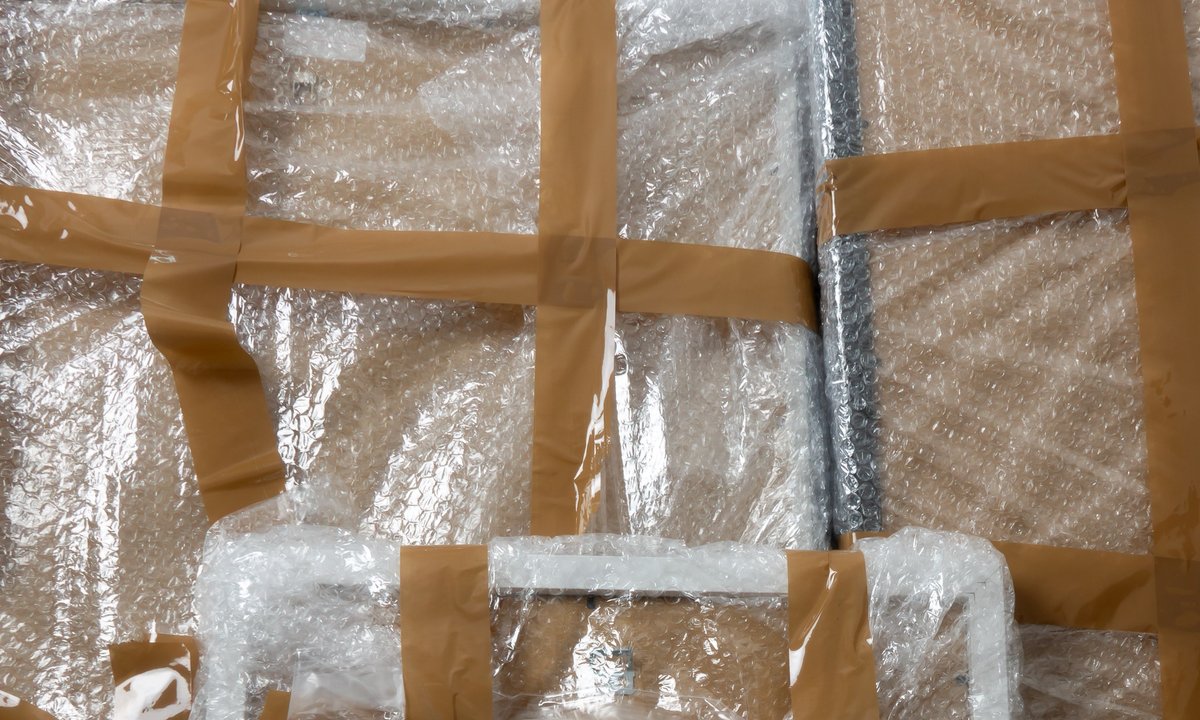
Art fair season runs on an invisible infrastructure of wooden crates, foam inserts, bubble wrap and cardboard — and that infrastructure is about to be regulated. Extensive new sustainable-packaging rules from the European Union took effect this year and will be enforced in phases over the next three, with direct consequences for how art moves in and around Europe and, by extension, through the global art world.
The legislation in question, the EU Packaging and Packaging Waste Regulation (PPWR), came into force on 12 August 2026. Its scope is wider than many in the art world may realise: it applies to organisations everywhere in the world that send packaging through EU countries. Under the law, any gallery, museum, studio, auction house — essentially the whole art ecosystem — that sends more than 1,000kg of packaging annually through any EU country will be legally deemed a 'packaging producer'. Those organisations will have to start measuring, reporting and improving the sustainability of their packaging against increasingly strict environmental guidelines.
The practical demands are specific. Plastic packaging materials will need to contain minimum levels of recycled content from 1 January 2030 — set at 35% in 2030 and rising to 65% by 2040, varying by plastic type. Shippers will have to minimise empty space in boxes, with guidelines on lightweighting and avoiding oversized packaging; exactly how that applies to fine-art crates is still to be determined but promises to be a significant issue. The rules will be implemented in phases between now and 1 January 2040, when they are fully enforced.
The consequences of non-compliance are blunt: packaging that fails the rules risks being refused entry at an EU border — a disaster for any shipment headed to a time-sensitive exhibition, sale or fair — and is likely to attract large fines. Although recyclability and recycled-content enforcement only begins in 2030, the window for organisations to have their packaging fully registered and certified as compliant is short. The advice to the art world is to start talking to shippers and suppliers now rather than scramble at the deadline.


