Exhibition preview·Abu Dhabi
Elvira Dyangani Ose Opens Abu Dhabi's Public Art Biennial on Belonging — Then Takes Up Zeitz MOCAA
The second Public Art Abu Dhabi Biennial, titled Home: A Glossary for a Communal Sense of Place, opened this week under curator Elvira Dyangani Ose, who has also just been named artistic director of Zeitz MOCAA in Cape Town, succeeding the late Koyo Kouoh.
The second edition of the Public Art Abu Dhabi Biennial opened this week in the UAE capital, under the title Home: A Glossary for a Communal Sense of Place. Curated by Elvira Dyangani Ose, the four-week programme arrives just ahead of the first Frieze Abu Dhabi, amid regional tensions that have made some visitors nervous about travelling to the Gulf.
Dyangani Ose describes the theme as a provocation rather than an answer: a way of reading the many experiences of belonging that coexist in a single city. The biennial is accompanied by a glossary of terms including Heirloom, Lineage, Hospitality, Majlis and Exile, alongside Temporary People, a phrase for those who build and shape places they may never be able to call home. Works explore how urban life is negotiated, and how a city's inhabitants live in what she calls a sometimes tense equilibrium.
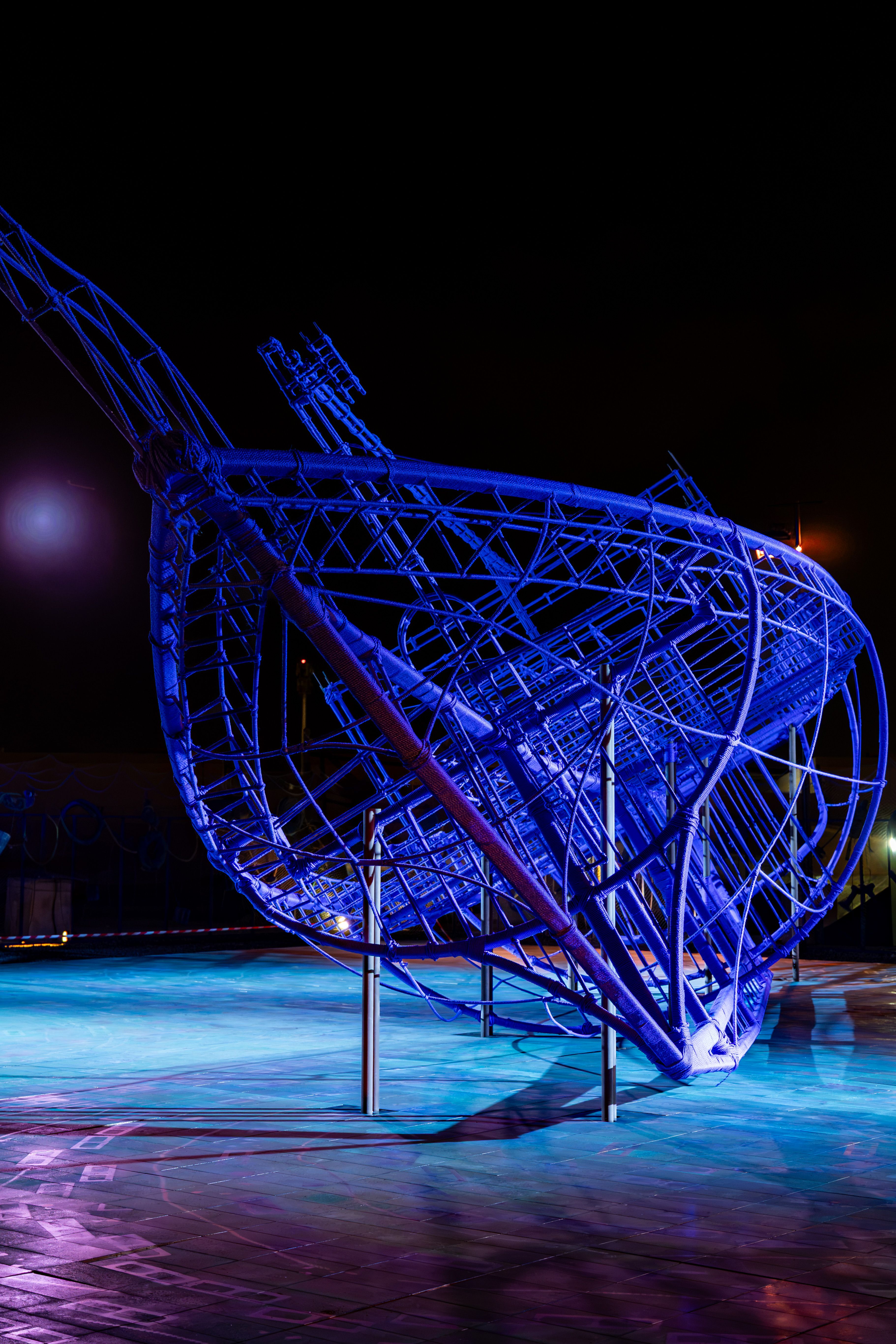
This edition is deliberately smaller and more concentrated than the first. The 2025 inaugural show, Public Matter, curated by Reem Fadda, spread work by more than 70 artists across the Corniche, a carpet souk and the central bus terminal. This time the artist list has been cut by more than half, with works clustered at fewer sites meant as gathering points. Among them is Nari Ward's installation Ground Break Duty at the commercial port of Mina Zayed, and Asunción Molinos Gordo's rammed-earth walls in the Al Qattara Oasis at Al Ain.
For Dyangani Ose, success will not be measured in visitor numbers but in whether the works enter everyday conversation — whether fishermen debate Ward's installation at the port, or farmers recognise their histories in Molinos Gordo's walls. She is frank about the constraints of working inside a state-funded framework, calling every project a negotiation.
The appointment coincides with a major new role: Dyangani Ose has recently been named artistic director of Zeitz MOCAA in Cape Town, succeeding the late Koyo Kouoh. She calls the post both a privilege and a great responsibility, and credits Kouoh with turning a private not-for-profit initiative into a public institution centred on artists from Africa and its diasporas.