Art world report·United Kingdom
Ellie Campbell paints club nights frame by frame in wonky rotoscope
Loughborough Fine Art graduate Ellie Campbell makes hand-painted rotoscope animations of nightclub scenes, working at 20 to 25 frames per second from printed contact sheets; her degree-show project Dance used 1,195 hand-printed frames.
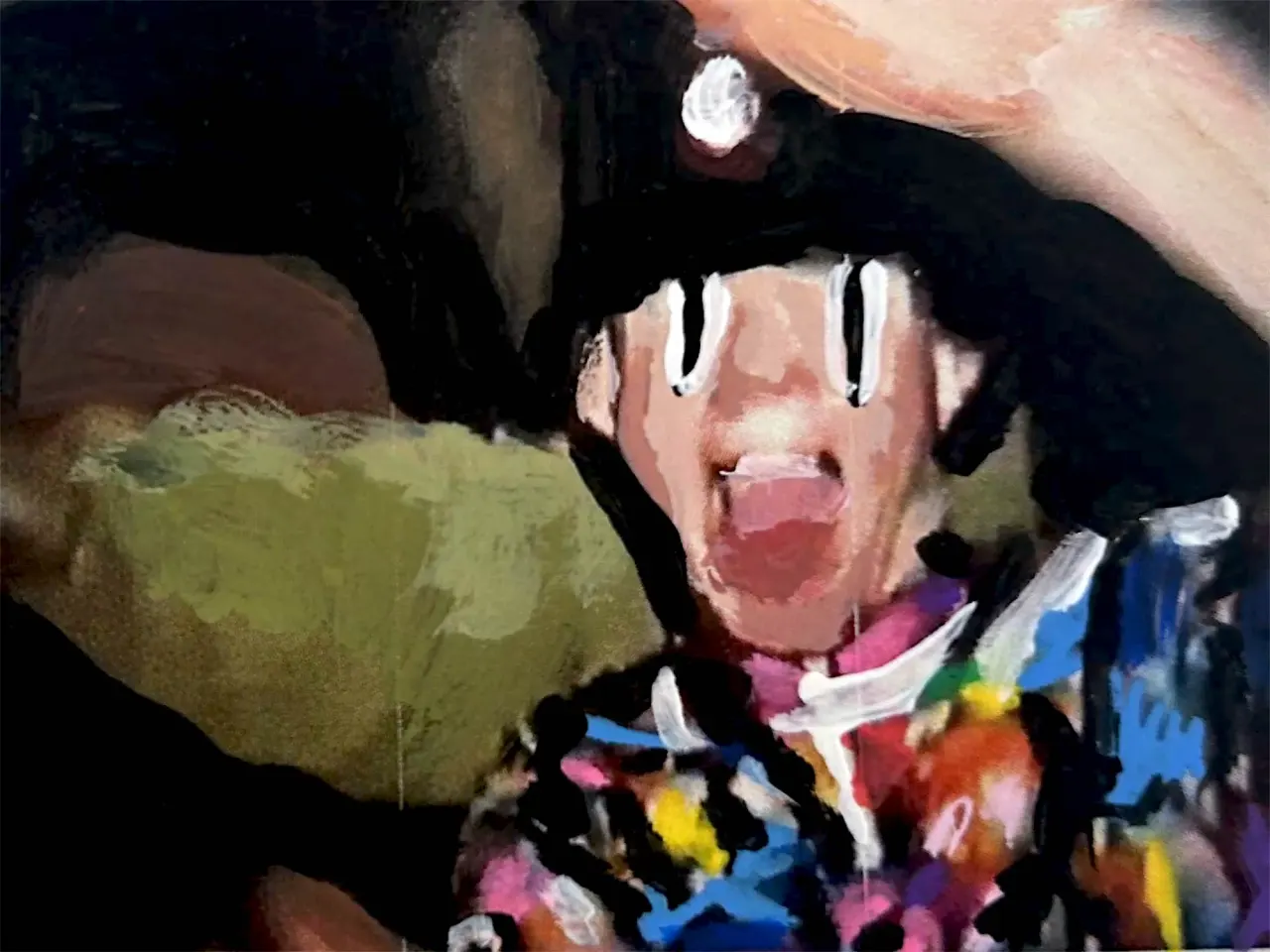
Ellie Campbell paints animation the slow way. The Loughborough University Fine Art graduate makes hand-painted rotoscope works that take real footage and pull it apart, stretching bodies and gestures into familiar scenes: dancers throwing shapes on a nightclub floor, a duck swimming across a pond, someone sipping a cold pint. She calls herself a mixed-media artist specialising in hand-painted rotoscope animation, using traditional processes inside a digital world to make work she describes as textured, trippy and unapologetically human. Her process is deliberately labour-intensive. Research begins with digging around online for footage, free stock video and archival material, or recording something herself. Each frame becomes a photograph printed onto contact sheets, and she works predominantly at 25 frames per second, dropping to 20 when time is tight, painting through the sequence by hand until an entire page is built up. She leaves room for mischief, sometimes letting the original footage show through the paint, sometimes adding what she calls obnoxious googly-like eyes and ridiculous in-between frames, tricks she says make a piece feel personal and raise the wackiness. Her degree-show project, Dance, took that fascination with movement onto the dance floor. Campbell wanted to recreate the feeling of a night out when everything becomes slightly loose and blurry; Dance 17 captures what she calls the nostalgic, upbeat and wild quality of how clubbing used to be, while Dance 8 pushed her love of exaggerated movement, with dancers punching the air. The wider project treats the dance floor as a palace where choreographed routines and spontaneous moves collide, built from 1,195 hand-printed frames, and grew into immersive installations combining painted animation with TouchDesigner. Born in Weston-super-Mare, Campbell credits the small seaside town with shaping her pursuit of art. Growing up lower class there, and being picked on for her love of art, media and expression, sharpened her perspective, while a childhood visit to Dismaland in her hometown was a game changer. Cartoons remain a constant influence, and she wants viewers to admire the small details and how strangely imperfect and bizarre the work can appear at once.