Profile·Edinburgh
Edinburgh art college's plan to axe three craft degrees draws fire from makers, MSPs and film stars
Edinburgh College of Art's decision to stop admitting students to its textiles, jewellery and silversmithing, and performance costume degrees from 2027 has sparked a backlash from staff, industry bodies and politicians, with a petition nearing 18,000 signatures and a Scottish parliament motion signed by 19 MSPs.
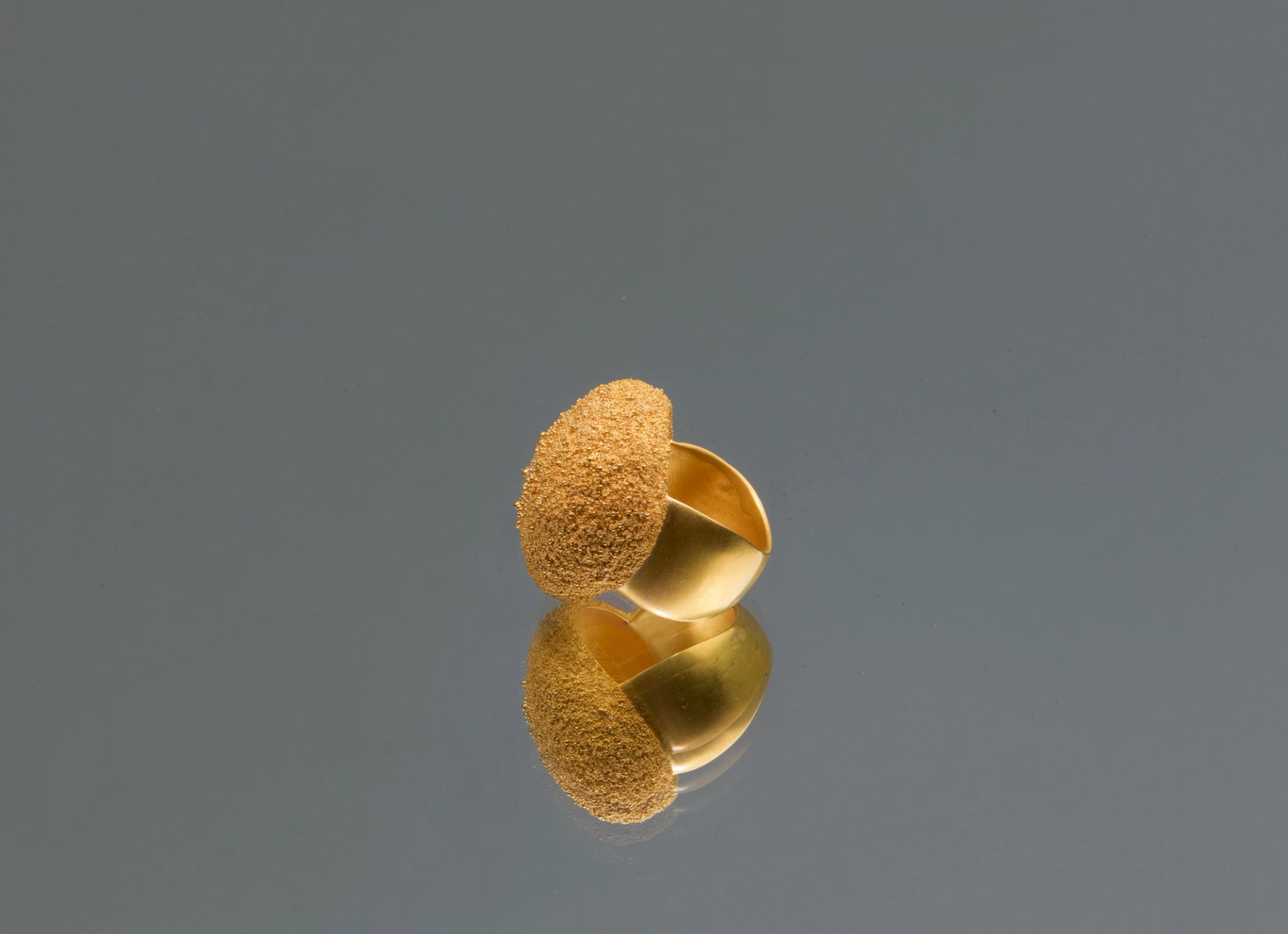
Edinburgh College of Art is facing a backlash from Scotland's cultural sector over its decision to close three undergraduate craft degrees. The University of Edinburgh, which absorbed the college in 2011, announced on September 15 that it would stop admitting students to textiles, jewellery and silversmithing, and performance costume, from 2027. The move has drawn criticism from staff, alumni, industry bodies and politicians.
The closures sit inside a much larger retrenchment: the university is reportedly seeking 140 million pounds of savings, with 1,800 jobs at risk and more than 90 programmes closing, arts and humanities hit hardest. The college says no staff will be cut as a result of losing the three craft degrees, with teaching faculty folded into the five remaining undergraduate courses and craft subjects offered as electives.
Principal Juan Cruz has defended the decision, insisting it is by no means a disinvestment in craft. He points to new glass, ceramics and jewellery making facilities developed before the cuts were decided, and to a master's degree in craft launched in 2025, arguing that disciplines survive by evolving to stay relevant to students and industries. Critics answer that a few elective courses cannot replace four-year degrees in which students develop deep handling of materials and mastery of technique.
The campaign against the closures has gathered force. A petition from Craft Scotland calling for reversal has attracted almost 18,000 signatures. On September 29, Scottish Green arts spokesperson Q Manivannan lodged a motion in the Scottish parliament calling the decision a serious misjudgement; it has since been signed by 19 MSPs from six parties. The film and television industry has published an open letter defending the performance costume course, signed by Hugh Bonneville, Rose Ayling-Ellis and Brian Cox.
At stake, critics argue, is a heritage stretching back to the college's origins in 1760 as the Trustees' Drawing Academy, founded to train designers for manufacturing, above all textiles. Textiles including tartan, Harris Tweed and cashmere contributed 304 million pounds in gross value added to the Scottish economy in 2018, a figure the industry hopes to lift to 540 million by 2030.