Profile·Global
New Tanning biography praised for research, still tethered to Ernst
Alyce Mahon's new biography Dorothea Tanning: A Surrealist World attempts to establish the Surrealist painter as an artist in her own right, though a Hyperallergic review finds it unable to escape the shadow of her husband Max Ernst.
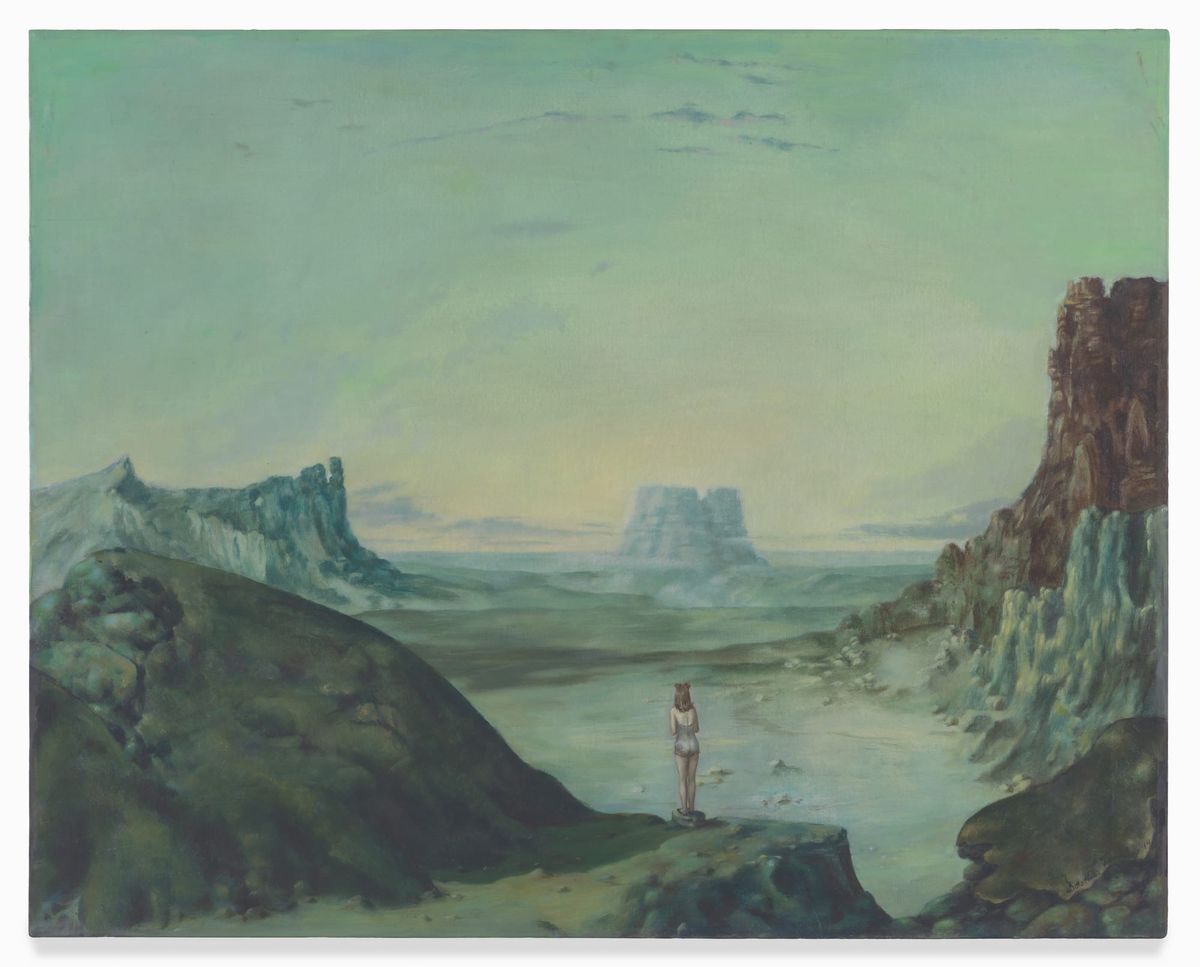
A new biography of Dorothea Tanning sets out to make the case for the American Surrealist as an independent artistic force, but ends up, in the view of at least one critic, still tethered to the husband whose reputation has long overshadowed her. Dorothea Tanning: A Surrealist World, by art historian Alyce Mahon, is the subject of a review by Lavinia Liang published in Hyperallergic on 7 October. Mahon, a professor of art history, offers what the review describes as a panoramic and well-researched account of Tanning's life and work, grounded in the question of womanhood and the obstacles the artist faced. Born in Galesburg, Illinois to Swedish immigrant parents, Tanning moved to Chicago and then to New York in 1935, where she worked as a commercial artist producing advertisements for Macy's and other corporate clients. Her turn toward Surrealism came after attending the Museum of Modern Art's 1936 exhibition Fantastic Art, Dada, Surrealism. A 1939 trip to Paris, undertaken with a list of artists she hoped to meet, found the city an eerie ghost town on the brink of war. She would meet Max Ernst in New York in 1942 and marry him in 1946. Liang credits the book with moments of fresh insight but argues that its ambition works against it. The biography is described as overly academic in tone, clearly addressed to other scholars, and weakened by a reliance on stitching together existing reviews of Tanning's work alongside a strained effort to disentangle her from Ernst. The result, in the reviewer's judgment, is a study that feels both lukewarm and defensively overprotective of its subject. The review's verdict points to a wider difficulty in writing about women artists whose careers unfolded beside more famous partners. Tanning's paintings, from her dreamlike early canvases to her later soft sculptures, have gained growing recognition in recent decades. Whether Mahon's volume advances that reappraisal or merely restates its terms will be for readers to decide, but the review suggests the book leaves the central problem of Tanning's historiography, her framing in relation to Ernst, unresolved.