Museum report·Chicago
More than 100 people queued in silence outside Chicago's closed DePaul Art Museum to protest its shutdown
Students returning to DePaul University this autumn answered the June closure of the DePaul Art Museum with a quiet public protest: over 100 people formed a solemn queue outside the shuttered building on 8 October. The university says it will not sell the collection or the building, and a faculty task force will report on the space's future in December.
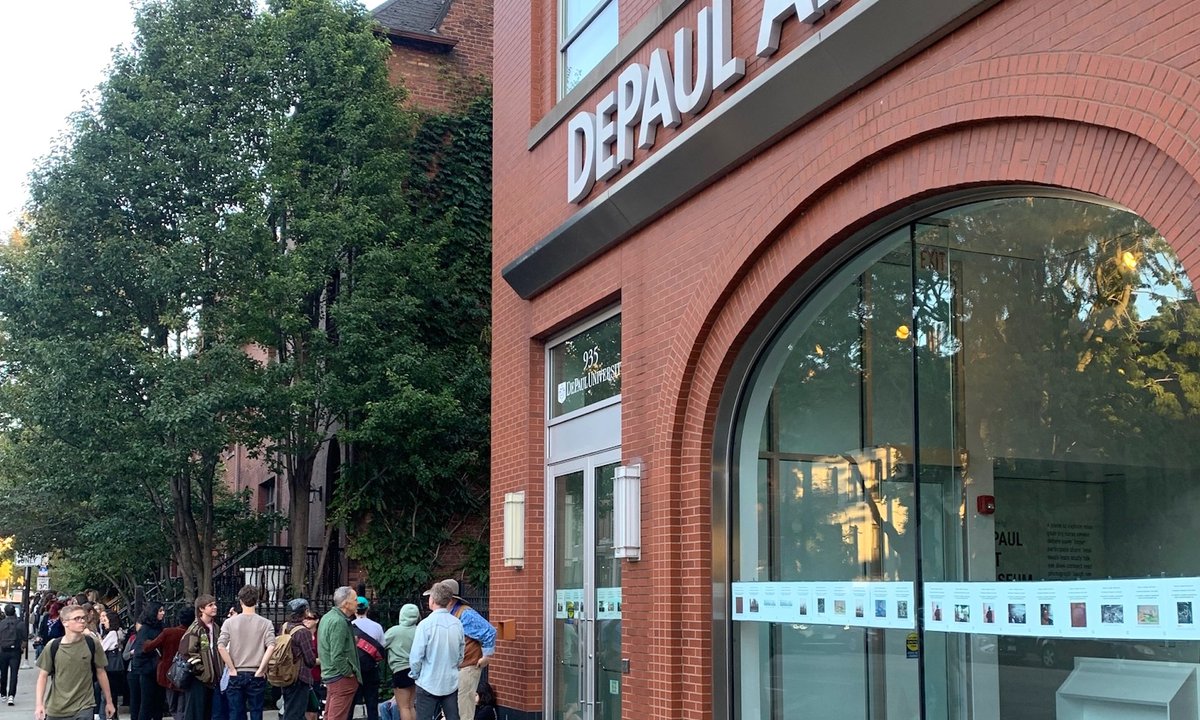
When students returned to DePaul University in Chicago this autumn, they found the campus art museum dark. The DePaul Art Museum had stopped operating in June, a decision that angered many in the city's arts community. On 8 October, the response took the form of a communal protest artwork called Waiting: from 5pm, more than 100 people formed a quiet line at the museum's front door, stretching far along the pavement for an hour.
Participants said the closure felt like a blow to an already stretched art department. One student said the department felt underfunded and forgotten by the administration, and described the museum's closure as a step backwards. Another said the queue was meant to show that real people had been affected by a funding decision. The museum had served as a cultural refuge for students and the surrounding Lincoln Park neighbourhood, offering classes, work-study jobs and a fellowship in museum studies.
The timing sharpened the frustration. Days earlier, the university had broken ground on a 42 million dollar sports complex, built after demolishing four 1890s rowhouses just around the corner from the museum. Several protesters contrasted the two spending decisions, questioning the priorities of academic institutions. An independent researcher and curator who joined the queue carrying a handmade sign said she did not understand such funding choices.
DePaul responded the next day, welcoming the peaceful demonstration and calling the closure decision difficult, citing budget pressures facing institutions across the country. The university said it had no plans to sell the art collection or the building, and that leadership was working with a faculty task force to guide the next chapter for the space and collection, with recommendations expected in December. The museum remains minimally staffed for class visits, and its director continues to steward its 4,000-piece collection, fielding loan requests and discussing a collection-sharing programme with the Art Bridges Foundation.