Market dispatch·London
£95,000 Emin neons and £60,000 Whitereads: Frieze Week asks if Cool Britannia is back
Frieze Week has turned into a referendum on 1990s London: Tate Britain's YBA survey, strong sales of 90s-era works at the fair, and a Financial Times op-ed hailing a return to 1997 energy — but several dealers dismiss the supposed revival as a manufactured market story.
Frieze Week has coincided with a full-blown revival debate about 1990s London. Tate Britain's The 90s: Fashion and Art showcases star Young British Artists such as Damien Hirst alongside figures the era overlooked, including BLK Art Group founder Keith Piper. At the fair itself, works from that period are changing hands: Xavier Hufkens sold three editions of a Tracey Emin neon for £95,000 each, Sadie Coles HQ is offering Sarah Lucas's famous self-portraits from the 1990s, and Hazlitt Holland-Hibbert has sold early Rachel Whiteread sculptures, including works from her Torso series, priced up to £60,000 — while two paintings by fellow YBA Gary Hume remained unplaced.
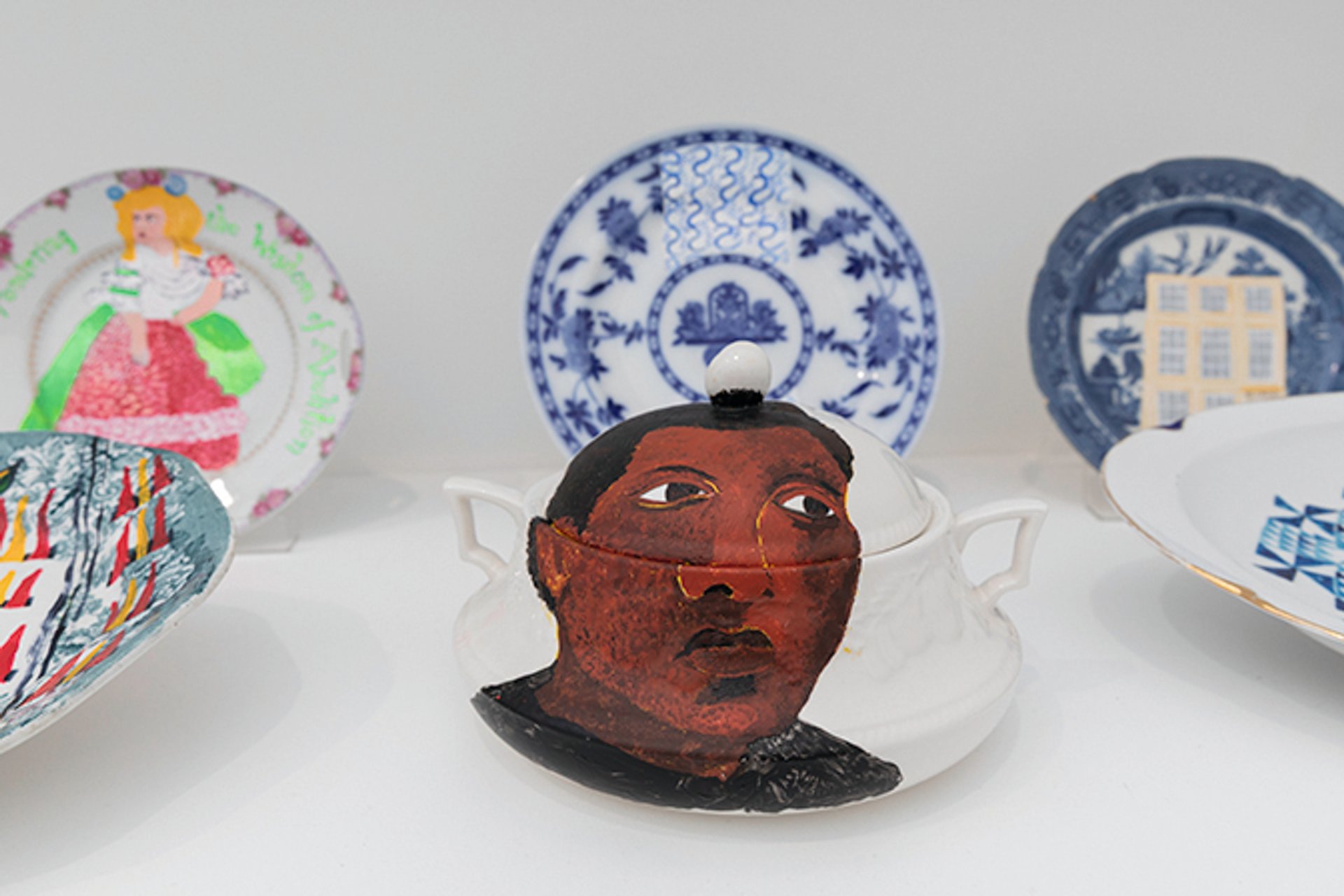
The nostalgia extends to the great collections of the period coming to market. Christie's sold £178m of art from the collection of Monsoon founder Peter Simon earlier this week, including early works by Mat Collishaw, Wolfgang Tillmans and Hurvin Anderson. Hollybush Gardens, which began working with Lubaina Himid in 2013 and helped make her visible on the market, has sold most of its Frieze London stand of her work — an installation of ceramics and a diptych priced between £45,000 and £120,000 — reflecting the rise of artists sidelined during the original Cool Britannia moment. Himid won the 2017 Turner Prize and represents Britain at this year's Venice Biennale.
Cultural figures are now framing post-Brexit London as experiencing a 1990s-style charge. In an August Financial Times op-ed, Chanel Culture Fund chief executive Yana Peel wrote that the last time the city felt this charged was in 1997, pointing to record levels of private philanthropy — notably the Julia Rausing Trust's £150m donation to the National Gallery — while urging today's technology entrepreneurs to invest in the artists of tomorrow. On a more modest scale, directors of emerging galleries and non-profit spaces describe a return to the grassroots energy of the decade.
Not everyone is convinced. Hollybush Gardens co-founder Lisa Panting is one of several dealers who doubt the revival is anything beyond superficial, recalling how the period was in fact a fabricated market moment orchestrated by a handful of key players. There is a parochialism, she argues, in how a few artists were thrust into becoming a movement — something that simply could not happen today, when the scene is so much more diverse and made of so many more parts. One dealer who opened a gallery in the 1990s puts the economic difference more bluntly: that era was the last time you could live in London with no money.


