Market dispatch·Canada
50% Tariffs Are Squeezing Canada's Art Trade — and Galleries Are Cancelling US Fair Plans
United States tariffs of 50% on Canadian art imports, in force since August, are hitting Canadian artists and galleries in real time, with dealers reporting cancelled fair plans and thinning American demand, while Ottawa's counter-tariffs raise the cost of materials.
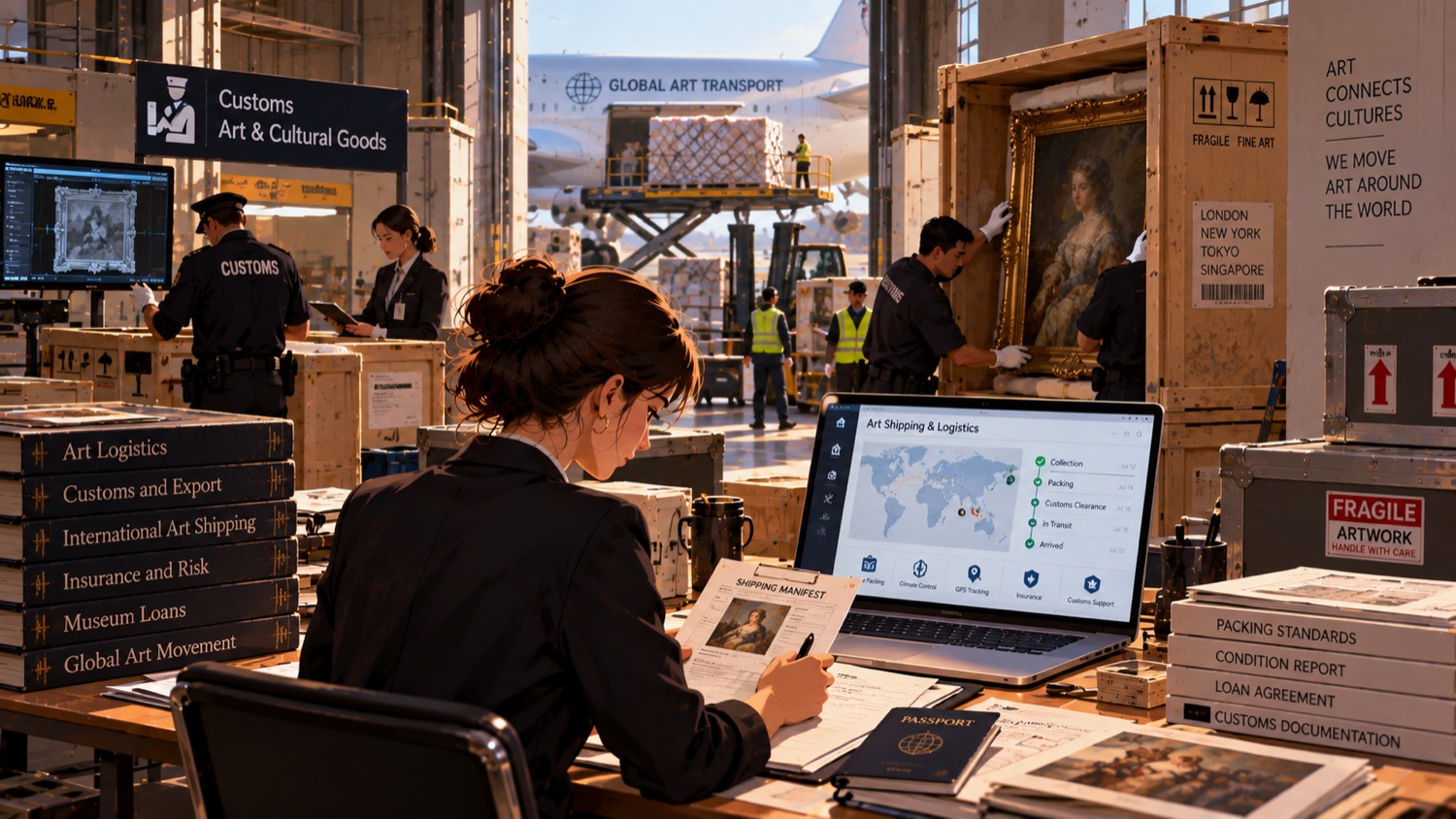
The trade dispute between Canada and the United States is now biting directly into the Canadian art world. Since 22 August, Washington has imposed tariffs of 50% on a wide range of goods imported from Canada, including paintings, drawings, sculptures, prints, pastels and collages. For galleries and artists whose livelihoods depend on cross-border sales, the levy has turned routine transactions into costly gambles.
Ottawa answered in early September with counter-tariffs of its own, set at 50% on hundreds of American imports, among them many of the materials artists and shippers rely on to make and move work, as well as certain printed materials including photographs. Paintings, drawings and pastels coming from the United States were already subject to a 25% tariff in place since March 2025, so the pressure runs in both directions.
Mackenzie Sinclair, executive director of the Art Dealers Association of Canada, described the tariffs as a significant concern for the association's members, given how closely the two countries' art economies are intertwined. The consequences are already visible in dealers' calendars: one dealer, Macaulay, has cancelled plans to take part in a fair during Miami Art Week this December, judging the trip no longer viable.
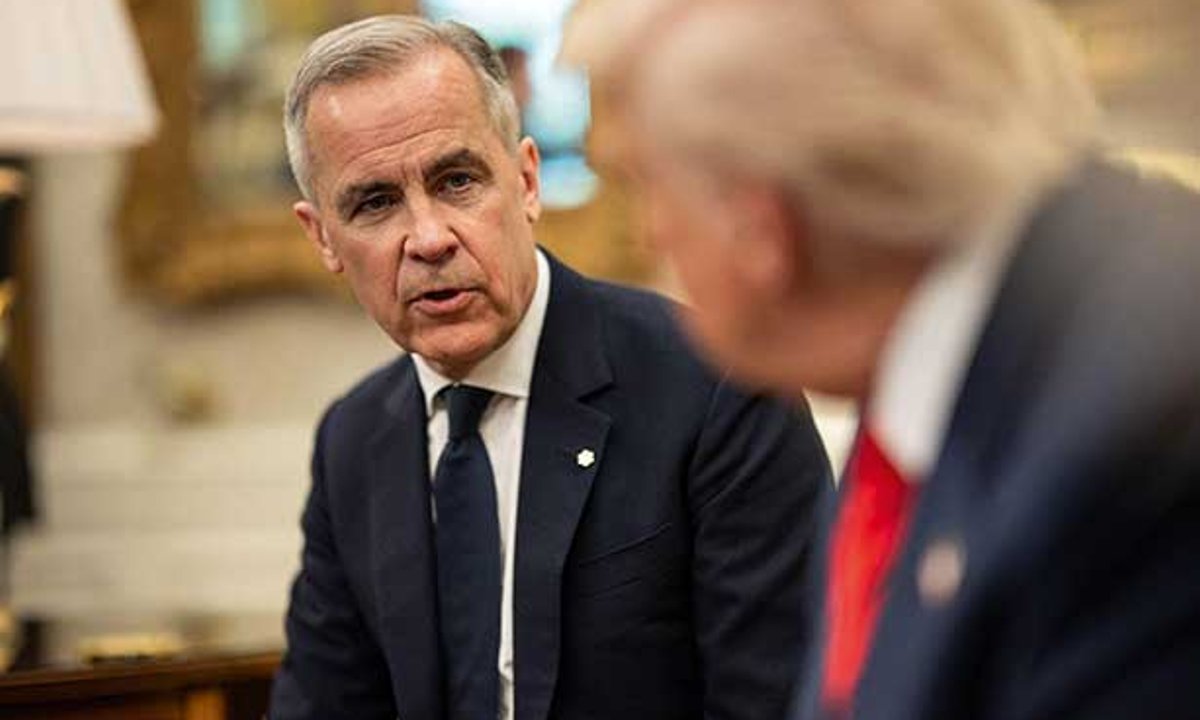
The timing compounds the damage. Art Toronto, the country's largest art fair, is held every year in late October, and American buyers account for a significant share of annual sales for many exhibitors. With the 50% levy in place, galleries face the prospect of either absorbing the cost, passing it to collectors, or watching US demand drain away. The dispute, which began as a political confrontation between prime minister Mark Carney and president Donald Trump, has become a practical crisis for a small, export-dependent market.