Museum report·Busan
Busan Museum of Art reopens after two-year renovation as a civic platform
The Busan Museum of Art, first opened in 1998, reopens in autumn 2026 after a nearly two-year, 43 billion won renovation, launching five exhibitions including Future Museology, co-planned with more than ten museums worldwide.
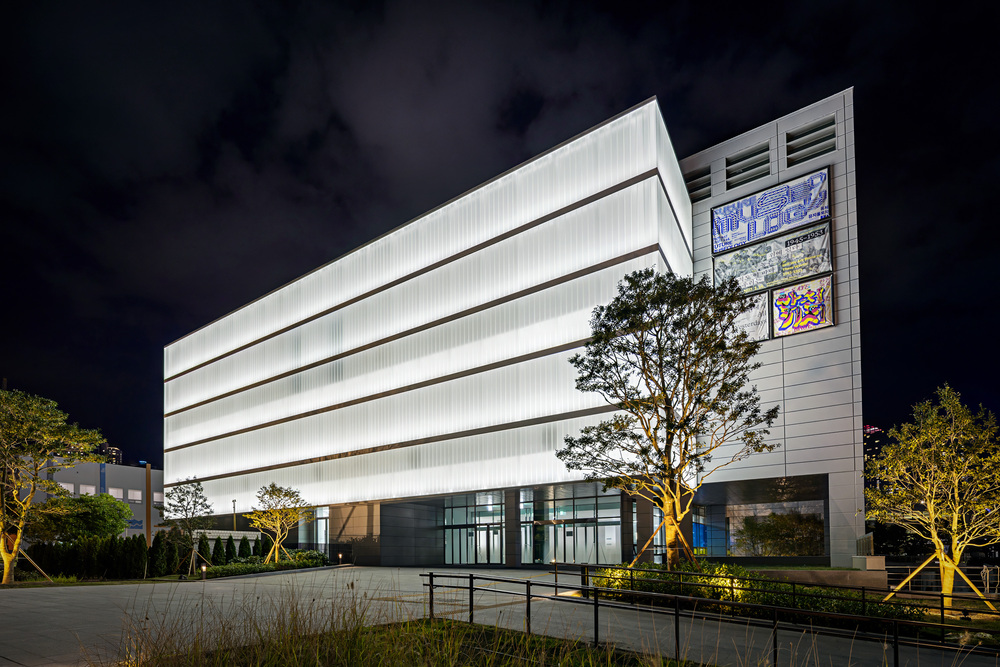
The Busan Museum of Art has reopened after a major renovation lasting nearly two years, repositioning itself as a public institution for the future. First opened in 1998, the museum closed in December 2024 for a full-scale overhaul of its ageing facilities, a 43 billion won project that director Suh Jin-suk has described as turning the museum into a future-facing institution of the 21st century. K-ARTNOW reported the reopening among its top museum stories for the week of 29 September 2026. The works touched the museum's hardware and software alike. Exhibition halls, storage areas and entrances have been upgraded, the exhibition space expanded to two floors underground and three above ground, and storage enlarged to house the collection's 3,000 works. Visitor amenities have grown too, with an expanded cafe and museum shop alongside upgraded children's gallery and education centre. The renewed building is conceived as a more fluid and open space, reflecting the goal of becoming a platform connecting citizens and society, technology and nature. The reopening programme centres on five major exhibitions exploring connections between society, history and technology, and the evolving role of museums in contemporary life. The first international show, tentatively titled Future Museology, is jointly planned with more than ten domestic and international museums and examines how museums can function beyond collecting and display, as active public spaces responding to social change. A major domestic exhibition, Society and Art: From Liberation to the Korean War, looks at Korea's post-liberation period through art, tracing cultural and political realities from 1945 through the war years. A further exhibition, Rebuilding the Museum, reflects on the institution's own history through archival and architectural materials, tracing how it has evolved alongside social change. A children-focused show titled Safe Base turns gallery space into a story-like environment for emotional development and sensory exploration, and the Lee Ufan Space has been updated with new works. Together the programme signals the museum's ambition to narrate Asian modern and contemporary art history from an Eastern perspective, in dialogue with partner museums across the region.