Museum report·New York
Brancusi Shines, MoMA's Galleries Don't: A Review of the Sculptor's Studio Show
In a Hyperallergic review, critic Aruna D'Souza praises Brancusi: The Artist and His Studio at MoMA for showing the sculptor's atelier as a place of making, display and social life, while arguing that the museum's crowded, awkward galleries do the work a disservice.
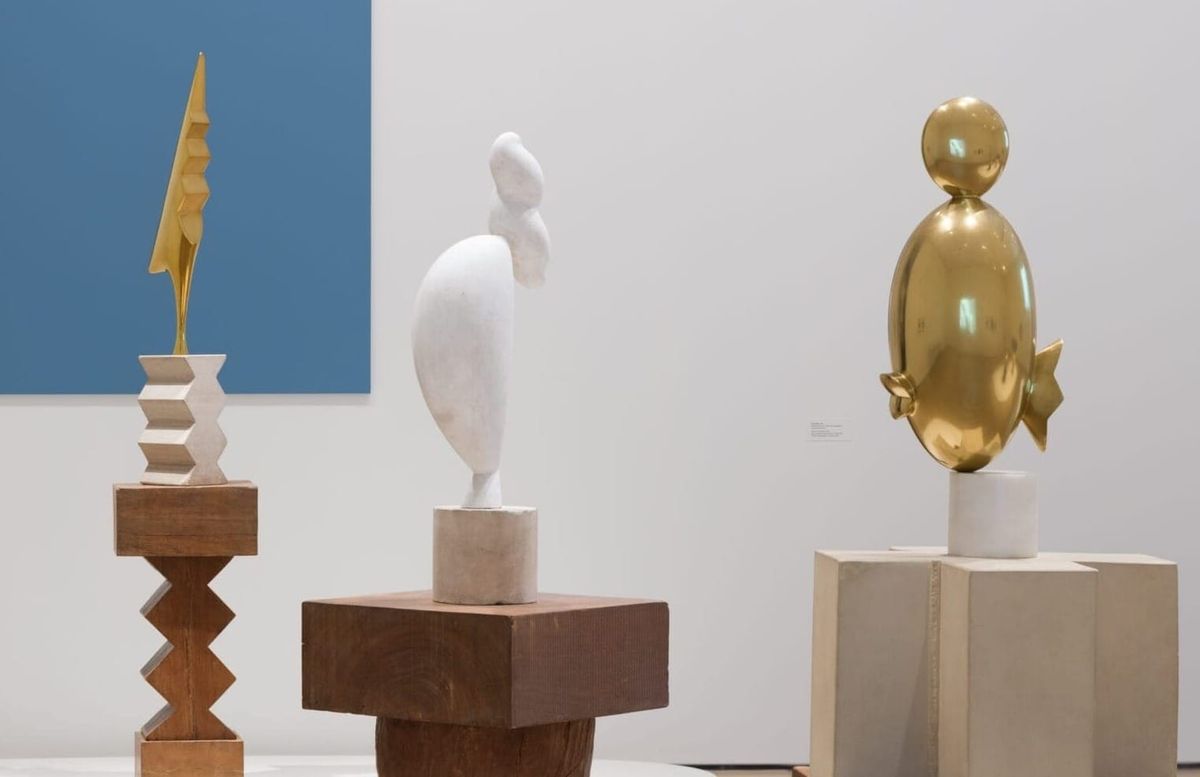
The work in MoMA's new Brancusi exhibition is glorious, but the museum itself is the problem. That is the verdict of critic Aruna D'Souza in a review of Brancusi: The Artist and His Studio, published by Hyperallergic, which argues that the Museum of Modern Art has a space problem, an elegance problem, or a crowd problem when it comes to showing the Romanian sculptor's work.
D'Souza has no quarrel with the choice of subject. Even in a season when New York's three major museums have simultaneously given over their galleries to Brancusi, Roy Lichtenstein and Jackson Pollock, she writes, there is every reason to stage a show devoted to Constantin Brancusi. His sculpture continues to resonate with contemporary artists, and his name comes up regularly in interviews with sculptors working today, including Rodney McMillian and Martin Puryear.
What sets the exhibition apart, the review argues, is its focus on the studio itself. Rather than a straightforward survey, the show presents Brancusi's atelier as a place of creation, exhibition and social life, bringing together drawings, photographs, films and tools, along with some of the record albums he owned, as reminders of the dinner parties he used to host there. The result is a portrait of an artist whose workspace was as carefully composed as his sculpture.
The criticism is aimed instead at the setting. D'Souza suggests that MoMA's galleries, and the way crowds move through them, work against the intimacy the material needs, leaving the artist, in the review's phrase, lost in space. The piece also notes the wider question of why canonical figures continue to dominate museum programmes even as institutions publicly commit to broadening their collections and audiences. For visitors, the review offers a mixed message: go for the work, but expect the museum to get in its way.