Exhibition preview·Global
Botticelli's Venus May Have Died of a Brain Tumour, New Study Argues
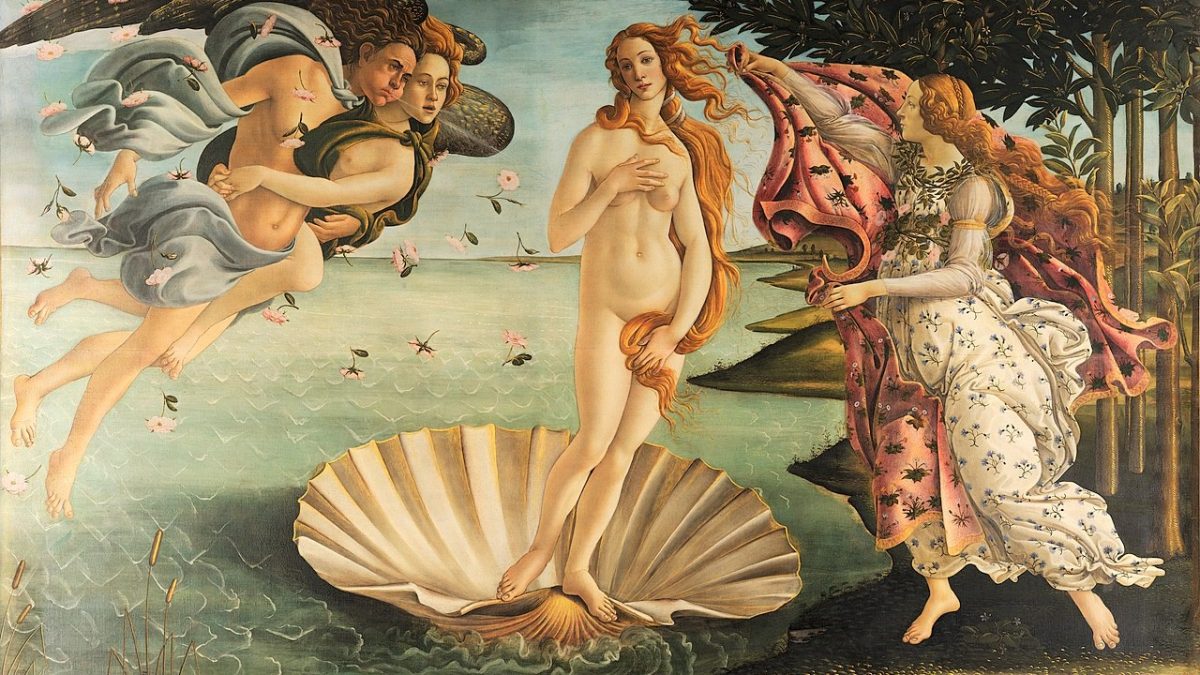
New research by Professor Paolo Pozzilli argues that Simonetta Vespucci, the model for Botticelli's Venus, died aged 23 of a pituitary tumour, pointing to the swelling around her eyes and a squint visible in the portraits.
Simonetta Vespucci, the young woman believed to have modelled for Botticelli's Birth of Venus, may have died of a pituitary tumour rather than tuberculosis, according to new research that reads her portraits as medical evidence. The study, by Professor Paolo Pozzilli of Queen Mary University of London, is the third paper in a series published in BMJ Medical Humanities, and it argues that the physical signs visible in Botticelli's paintings support a diagnosis of a tumour of the pituitary gland.
Vespucci died in 1476, aged about 23, and the cause of her early death has long been debated, with tuberculosis the usual explanation. Pozzilli points to two features in the portraits: a swelling around the eyes and a squint, known as strabismus, both of which can be associated with pressure from a pituitary tumour. He argues that the same features appear consistently enough across the paintings to be read as observations of a real person rather than artistic convention.
The hypothesis rests on the idea that Renaissance portraiture, at its most attentive, recorded its sitters faithfully enough to preserve symptoms that modern medicine can recognise. Botticelli painted Vespucci repeatedly, and the study treats the body of portraits as a kind of clinical record, cross-checked against what is known about her short life.
The argument is not settled, and other scholars may dispute whether a painter's idealising hand can be trusted as a diagnostic tool. But the paper adds a striking medical dimension to one of the most famous faces in Western art, and it keeps alive the question of who Vespucci really was behind the image of Venus.