Museum report·Baltimore
Senegal's Giant Tapestries Return to a U.S. Museum for the First Time in 45 Years
The Baltimore Museum of Art has opened Woven Monuments: Tapestry and Identity in Senegal, the first U.S. museum exhibition devoted to Senegal's monumental tapestries in 45 years, with about a dozen wall-sized wool and cotton works.
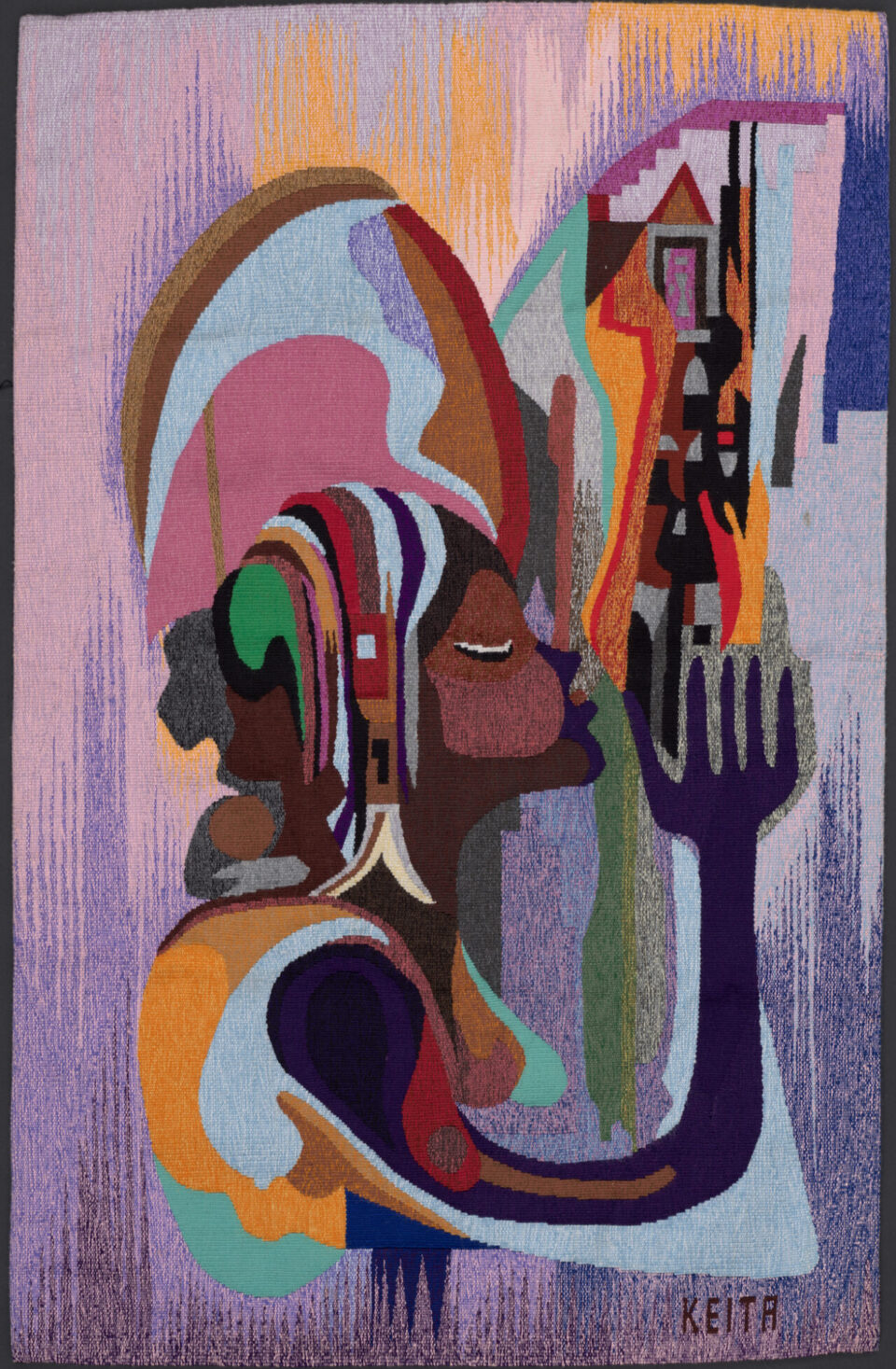
The Baltimore Museum of Art has opened the first exhibition in a North American museum in 45 years devoted to the monumental tapestries of Senegal. Woven Monuments: Tapestry and Identity in Senegal, which opened on October 25 and runs through March 7, 2027, gathers about a dozen wall-sized works in wool and cotton, most of them woven at the state-supported Manufactures sénégalaises des arts décoratifs in Thiès.
The tapestries were born in the years after Senegal's independence in 1960, when the Thiès workshops turned weaving into a form of cultural diplomacy. Bold modernist abstraction meets scenes of history, daily life and landscape in saturated colour, each tapestry presenting a young nation's imagination at mural scale. The exhibition celebrates nine artists, among them Badara Camara, Théodore Diouf, Khalifa Gueye, Souleymane Keïta and Papa Ibra Tall, alongside the master weavers who translated their designs into thread at enormous scale.
Curated by Carlee S. Forbes, the show invites visitors to stand small before textiles that behave like murals and to consider how a country quite literally wove its identity in the decades after independence. The works are not quiet craft objects but assertive statements, made in a workshop system that the Senegalese state created to project its culture abroad and to give artists a monumental format of their own.
The exhibition also reflects a wider reassessment of African modernism in American museums, placing Senegalese tapestry alongside painting and sculpture as a central rather than decorative art. For Baltimore audiences it offers a rare chance to see works that seldom leave West Africa, presented at the scale their makers intended.