Market dispatch·Global
How Benin bronzes travelled from colonial trophies to market prizes
By Sophia Molina with Eleanna Antonatou (21 September 2026): the bronzes' journey from the 1897 looting of Benin City through modernist appropriation and dealer networks to auction highs, and why legal frameworks still offer no clear path to restitution.

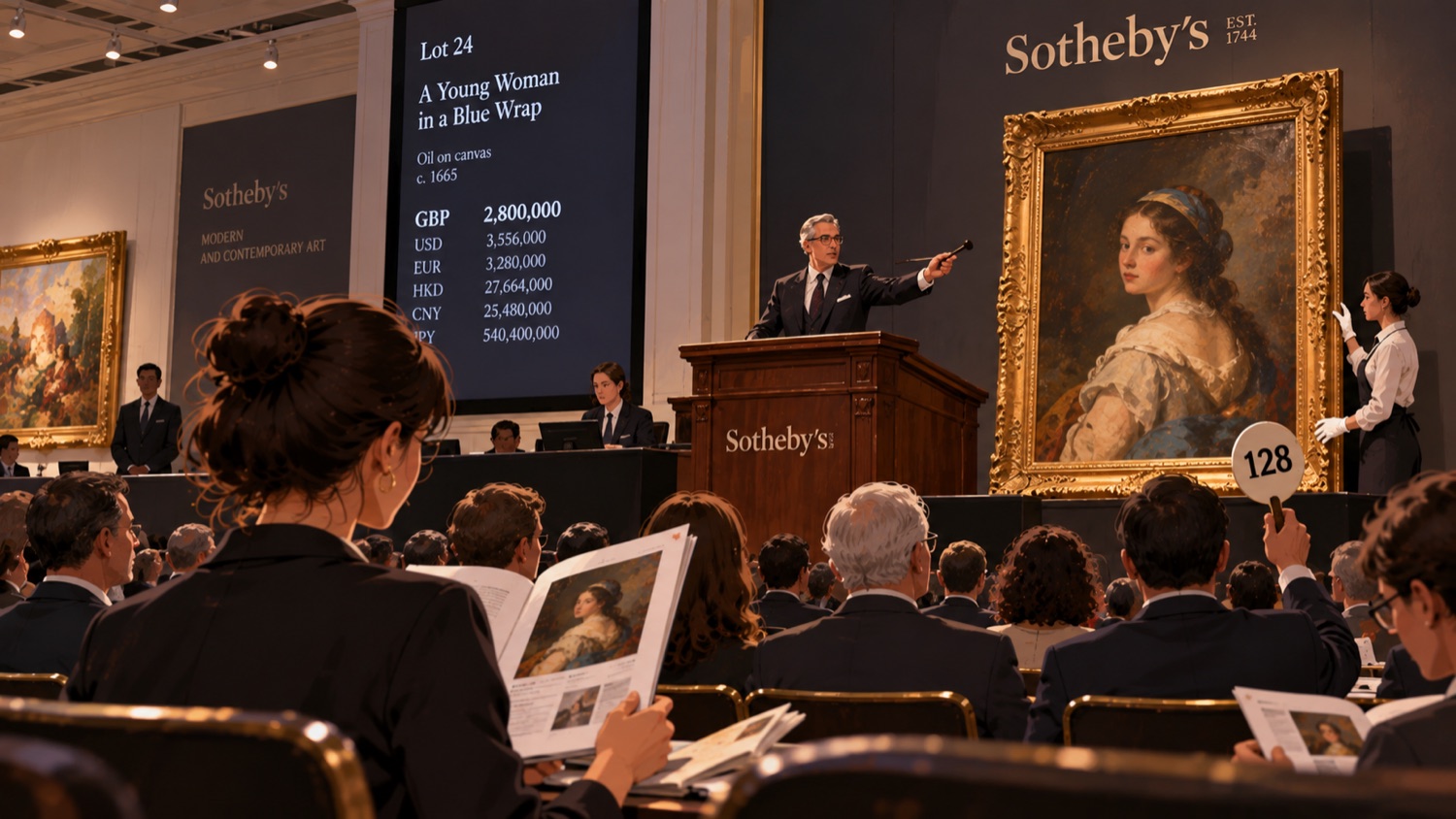
The article follows the bronzes from colonial trophies to ethnographic curiosities to modernist inspiration — including Jacob Epstein, who owned Benin pieces that influenced his sculpture — and into the dealer ecosystem of figures like John J. Klejman, K. John Hewett and Sotheby's Peter Wilson. Auction prices climbed from £25–£35 in the 1890s to £10 million for a Benin head in 2016. Legal analysis notes that international conventions are not retroactive and British domestic law, including the 1963 British Museum Act, restricts deaccession — leaving restitution largely dependent on institutional goodwill. Recent research pushes, from the Smithsonian to Museum Rietberg's planned transfer of 11 objects to Nigeria and the Digital Benin archive, are also surveyed.