Museum report·London
The Barbican tells its own story in a new book
The Barbican will release The Barbican Book on 16 November, a £14.99 volume celebrating the history, architecture and people of the post-war estate and arts centre.
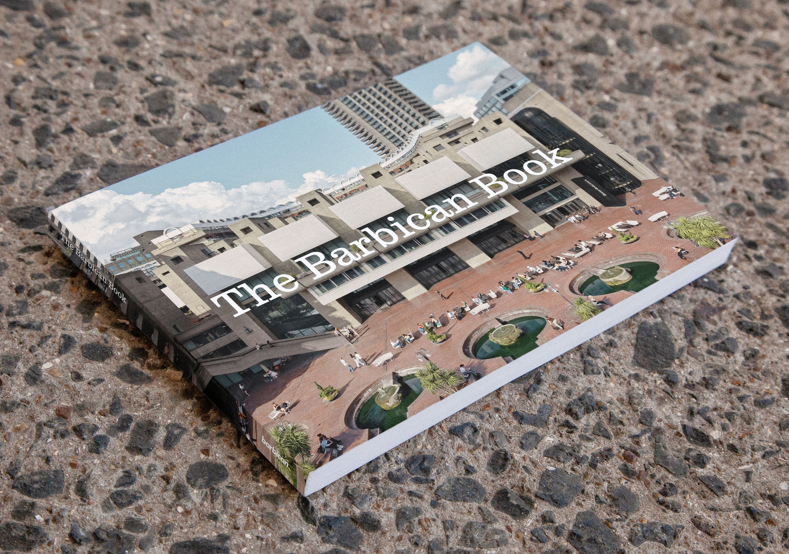
The Barbican is to publish a book telling its own story, from the concrete estate that rose from a bombed corner of London to the arts centre that now anchors it. The Barbican Book will be released on 16 November, priced at £14.99, and celebrates the history, architecture and people of one of Britain's most distinctive post-war landmarks.
The Barbican's story begins in the aftermath of the Blitz, when the City of London decided to rebuild a devastated area as a residential estate and cultural centre. The result, designed by Chamberlin, Powell and Bon, is a brutalist complex of towers, terraces, lakes and walkways that has divided opinion since it opened, and has in recent years become one of London's most loved and photographed places.
The book looks at the people who made the Barbican and the people who live and work there, from the architects and builders to the residents who fought to preserve it and the audiences who fill its concert hall, theatres and galleries. It is a portrait of a place that was planned as a utopia and has grown into something more complicated and more interesting.
For the Barbican, the book is a way of marking its history at a moment when the estate and the arts centre face major decisions about their future, including the long-planned renewal of the centre itself. It offers readers a chance to understand how a concrete vision became a living neighbourhood. The book is published as the Barbican approaches its sixtieth anniversary, and as the arts centre prepares for a major renewal of its buildings. It is aimed at residents, visitors and anyone curious about how a utopian idea became a London landmark.